They were hunter-gatherers. Living by Lake Baikal in Siberia. 5500 years gone. And yet they died from the plague.
It ruins a nice story we had. The standard history text says disease arrived with farming. You adopt the Neolithic revolution, you pack humans into villages, then the bacteria strike. Cause and effect. Simple. Clean.
Ruairidh Macleod from Oxford doesn’t like this narrative.
“What we see here is clear evidence… that flies in the face of that.”
The expectation was big outbreaks didn’t happen to foragers. Too few people. Too spread out. Wrong. Macleod’s team found Yersinia pestis in the teeth of 18 out of 42 people buried in four distinct sites. The evidence is solid. The death toll was real.
Here is why the old timeline felt safe. The famous plagues—the Black Death, the Justinian pestilence—they were driven by fleas. But ancient plague bacteria often lacked a specific gene, ymt. Without it, the bugs can’t clog the flea gut. The fleas don’t get hungry and frantic. No flea bites mean fewer infections.
It was believed the bacteria had to evolve that gene before becoming truly devastating. Macleod argues otherwise. These old strains killed plenty. They just might have killed them differently.
Siblings in Shared Graves
Two outbreaks occurred. One started roughly 5500 years BCE.
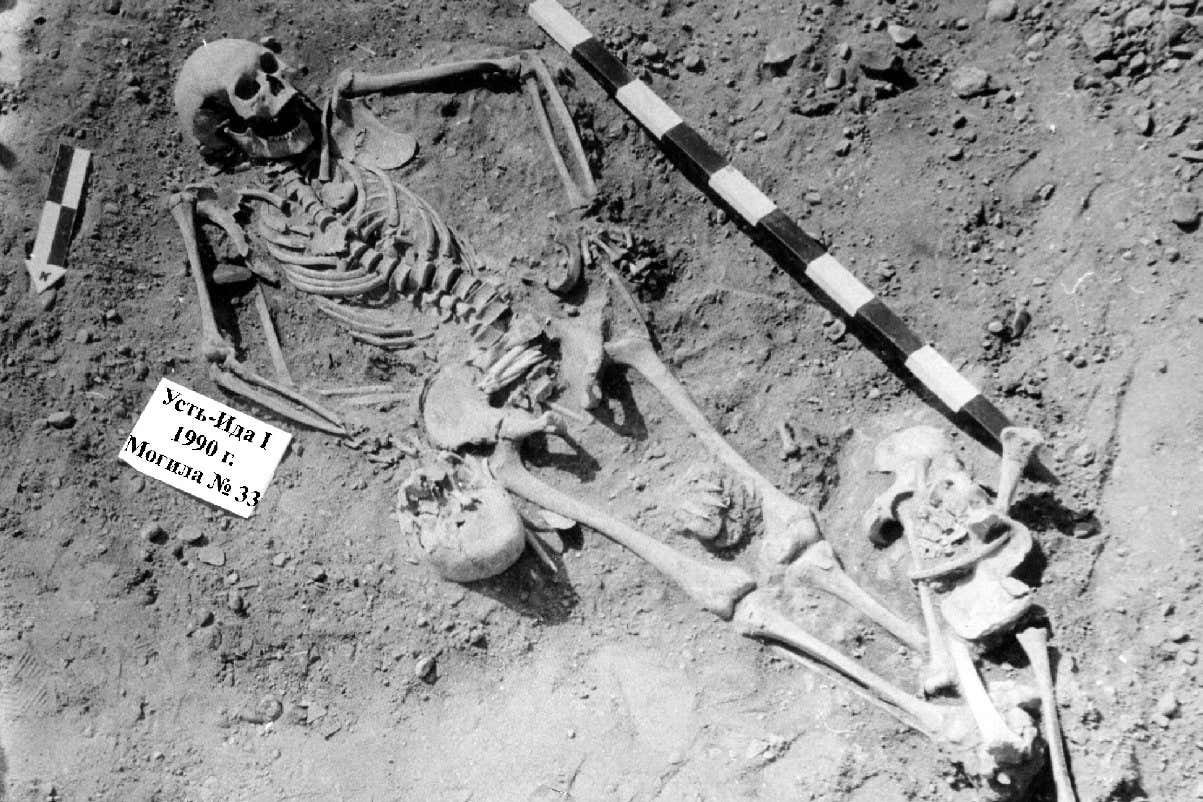
The archaeologists found siblings in the same hole. Buried together. Died at the same time. Four or five people in one pit, all dead within a similar window.
Mostly children.
Teenagers and kids dominated the graves. It had puzzled excavators in the 80s. Why so many young deaths? Plague doesn’t discriminate, but kids are more fragile. The pattern matches historical records from thousands of years later. Children just took it harder.
Did adults die? Presumably. But enough survived to hold a funeral.
This part sticks with me. The bodies weren’t tossed into a mass ditch in panic. They were buried with ceremony. Ritual intact. The community survived the wave just long enough to grieve properly. It’s touching, really. A reminder of humanity behind the bone density data.
Marmots and Coughs
So how did it jump from animal to human?
Marmots. They live nearby. They eat marmot meat. People today in the region still catch plague from handling these rodents or eating the meat undercooked. Hunter-gatherers touched wild animals for a living. Higher risk profile than a farmer working a field.
Once the first case appeared, pneumonic plague likely did the rest.
If it hits the lungs, it spreads through air. Coughs. Breath. Person to person. You don’t need fleas for that phase. You just need close proximity.
“There are many elements that make this studyunique… it deals with the oldest known plague outbreak… one in hunter-gatherers.”
Nicolás Rascovan at Pasteur Institute agrees. The geography matters. This is the furthest east we’ve found such an ancient case. And it proves you don’t need agriculture to create a deadly pandemic driver.
How Old Is It, Really?
Genomics helps date the jump.
Yersinia pestis probably evolved between 5700 and 9800 years ago. Most likely closer to 5700. So, no 10,000-year-old zombie plagues. But close. The window is tight.
There might have been even older outbreaks before these specific strains, but nothing much older. The clock started ticking when the bacteria found its way into humans.
What does this mean for the European population crashes later?
Rascovan thinks it still matters. Maybe the later decline in Neolithic farmers was fueled by the same bug. If plague can hit hunter-gatherers hard, imagine it in dense farming villages. The story changes. Agriculture wasn’t the cause. It was just the amplifier.
The question isn’t if they had disease.
It’s why we assumed they lived in a golden age of health just because they didn’t build cities.