Not This Time
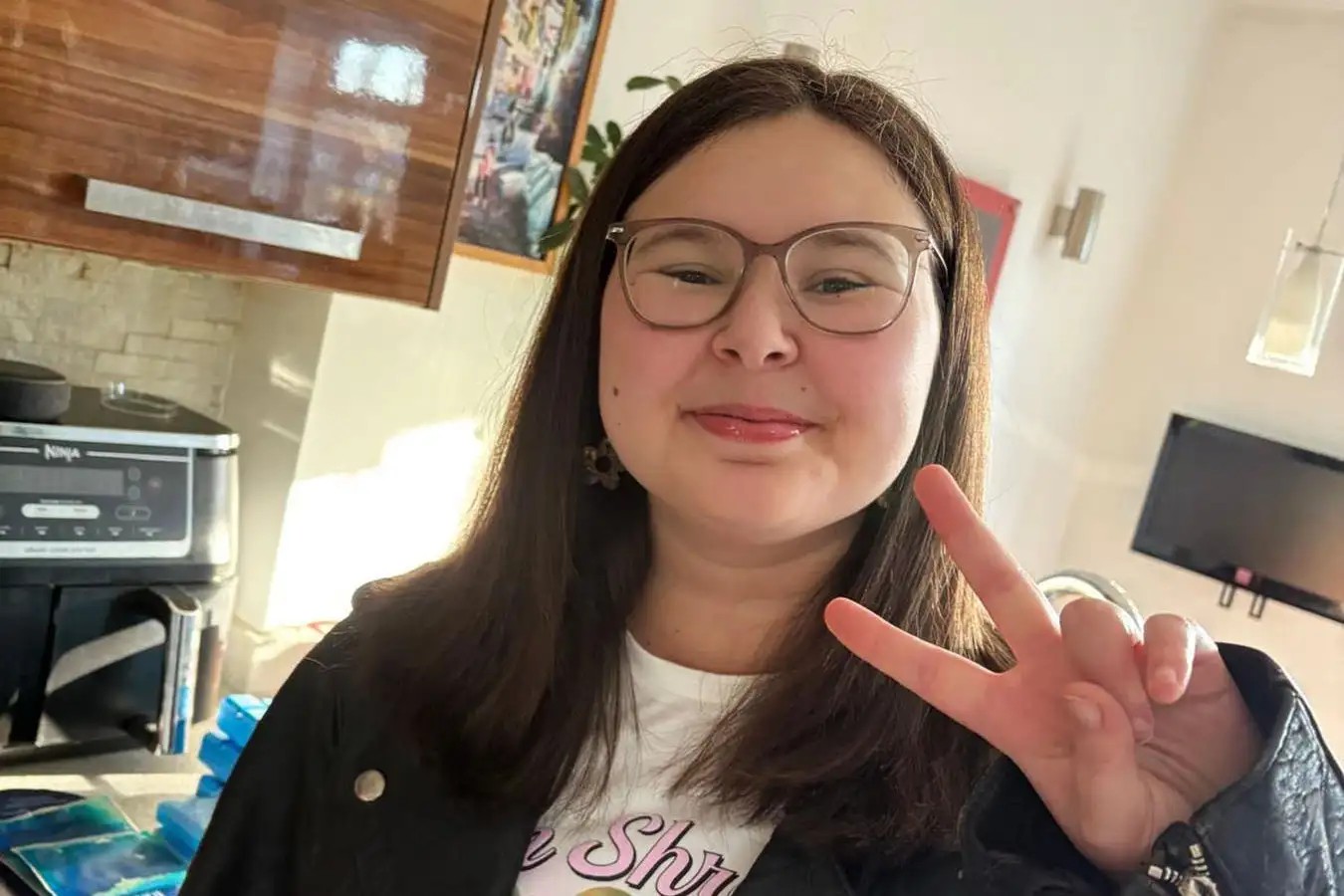
I turned 13. And died. Or so the doctors said. It was Easter 2021 just ending, the lockdowns lifting, but my body had other plans. I went back to school feeling heavy, like my bones were filled with lead. Walking home? Too hard. Breaktime naps became lunchtime comas. Then A&E. Dad noticed my breathing was off, that weird rattling sound. The monitor went wild. They screamed for help. Double pneumonia. ICU. Chemotherapy. That was the day I woke up realizing the fight wasn’t over, it had just changed shape. T-cell leukaemia. Rare. Aggressive. The kind that turns your immune cells into enemies.
Standard procedure kicked in. Leicester Royal Infirmary, a month of chemo. Nothing. Escalation. Harder drugs. Still nothing. Sheffield Children’s Hospital in October. The big gun: a bone marrow transplant. Kill the stem cells. Replace them with new ones. I lasted five and half weeks. Got home for Christmas. Felt hope, that stupid dangerous thing. Then the fever returned. The relapse hit like a freight train. The transplant had failed. Weeks left, maybe less. My parents stared at the wall. They talked about remortgaging the house, flying abroad, selling the furniture. Desperation smells specific, doesn’t it? Sharp. Metallic.
A Scientific Hail Mary
They looked for anything. CAR T-cells kept coming up in the research, the modified soldiers that hunt cancer. But there’s a catch. You can’t just hand a T-cell soldier a rifle and send it to kill another T-cell soldier. Friendly fire. They just kill each other. It works for B-cell cancer, useless for mine. Until it didn’t. Professor Waseem Qasism was running a trial in London. Using CRISPR base editing. Changing the genetic code of the CAR T-cells themselves so they stopped looking like T-cells. To the body’s immune system, they became strangers, invisible ghosts that could hunt my cancer without being hunted themselves. Sci-fi became real life. We packed bags for Great Ormond Street Hospital.
Parents are hesitant. Who blames them? Why put their child through the agony of experimental therapy if the only result is pain at the very end? Disneyland tickets would have been nicer memories. I decided though. I was 13. I’d made zero impact on the world. No kids, no inventions, no art. Just a sick kid dying in a bed. This was leverage. Control. Even if it killed me faster, maybe the data would save the next person.
“If it’s not gonna help me, It’s gonna help someone else.”
The Aftermath
The treatment felt like science fiction brought into a sterile ward. They edited my cells, expanded them in a lab, multiplied them into an army. Then put them back. Cameras filmed the whole process. One week later, Dr. Chiesa walked in with news: the cells had multiplied. They were alive. Working. Waiting.
Four weeks in. The bone marrow test came back clear. Empty. No cancer. No detectable blood cells of the bad kind. Two weeks later? Still empty. A second bone marrow transplant followed, this one to replace my healthy blood stem cells, now that the board was cleared.
Hospital is easy. Always someone there. Nurses, doctors, the play specialist putting sticky notes on windows. I even made a friend I never met, communicating solely through text messages posted on glass. Then I went home. Alone. For a year. Mum went back to work. Holly, the dog, stayed. No visitors. No school. No outside world. Just four walls and a ticking clock, terrified of a cold draft carrying death.
I’m 17 now. Doing A-levels. Learning to drive, which is terrifying, but the right kind of scary. Remission holds, mostly. Thyroid issues linger, a souvenir from the chemotherapy, not the gene editing. I want to be a biomedical scientist. Apprenticeship. Degree. I’ve met Professor David Liu, the man who built the tool that saved me. I cried. Pathetically, embarrassingly hard.
Science isn’t just books and papers. It’s oxygen. Without the labs, the failed experiments, the late nights, I wouldn’t be reading this. Research matters. But it’s slow, expensive, messy. We kept pushing the line, and for once, it bent.