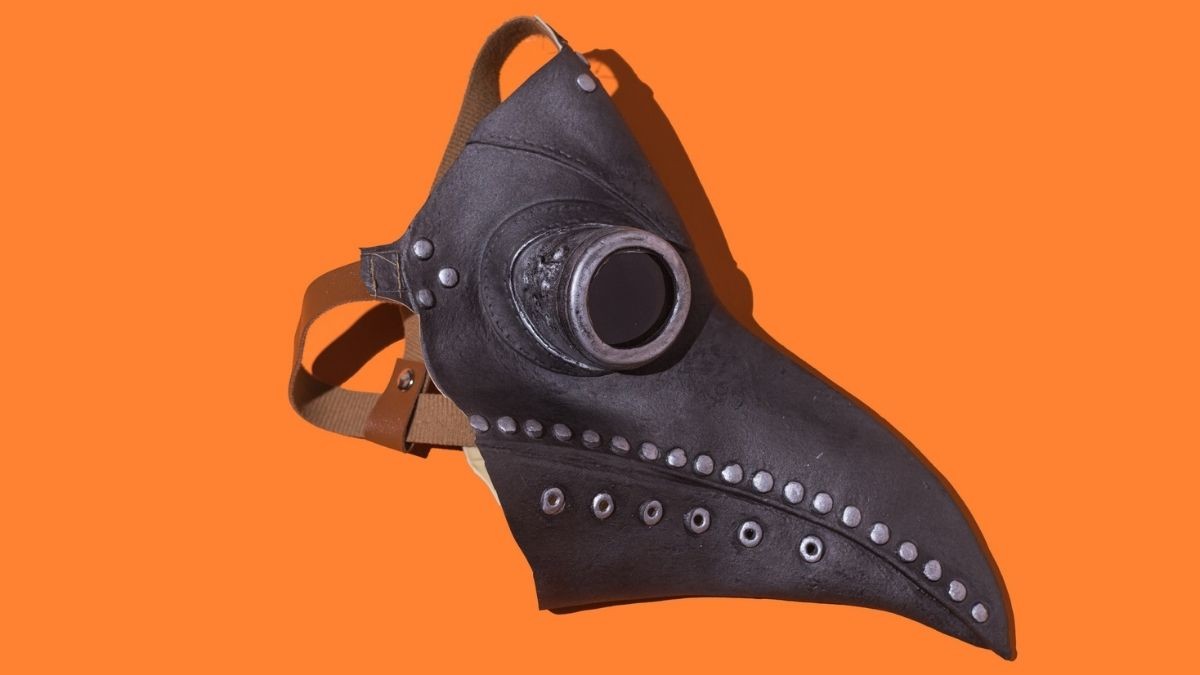
The image of the plague is stuck in amber. Black Death. Bird-beaked masks. Medieval peasants with swollen lymph nodes, known as buboes, writhing in pain. It feels like history. A grim relic of a bygone era.
It isn’t.
The disease still lingers. It kills. And while antibiotics can handle early cases, bacteria like Yersinia pestis are getting smarter, developing resistance to the drugs we rely on. The World Health Organization doesn’t even recommend routine vaccination for the general public. Why? Because for decades, we’ve lacked an approved vaccine. Not one from the FDA. Not one that guarantees protection.
Now, researchers at the University of Texas Medical Branch (UTMB) in Galveston might have changed the game. Two new candidates, dubbed LMA and LMP, demonstrated 100% effectiveness against the plague in mice.
This isn’t just another lab curiosity. The protection held up against pneumonic plague. The lung-eating strain. The fast one. Without treatment, it kills within three to four days. In the study, every control mouse infected with this form of the bacteria died.
All vaccinated mice survived.
How These Plague Vaccines Work
The team developed two live-attenuated vaccines. LMA and LMP are weakened, mutated versions of Yersinia pestis. They trick the immune system into thinking it’s under attack, training the body to recognize the real pathogen without causing the disease itself.
But the delivery method is where things get interesting. The researchers tested a “prime-pull” strategy. This approach targets the specific entry points of the bacteria, which often enter through mucous membranes in the respiratory tract.
The protocol went like this:
– First, an intramuscular injection. This “primes” the immune system.
– Twenty-one days later, a booster.
– For some groups, this second dose was an adenovirus-based vaccine containing three plague antigens, delivered via a nasal spray. This “pulls” immune cells to the nasal tissue—the primary gateway for pneumonic plague.
Thirty-two days after the second shot, the researchers challenged the mice with a lethal dose of Yersinia pestis. The results were stark.
The controls? Dead within four days. The vaccinated cohort? Intact. One hundred percent survival.
They cranked up the pressure even further a week later. A “monster” dose of bacteria. Most groups maintained that 100% protection rate against the plague. One group dipped to 80%.
Who were the victims in that 80% group? Mice that had received two intramuscular shots of LMA or LMP but no nasal adenovirus booster. These mice also lacked a specific gene that produces interferon-gamma. This protein is critical for fighting bacterial infections. The absence of interferon-gamma meant their bodies couldn’t hold the line as effectively, highlighting just how important that nasal boost was for generating robust, lasting immunity.
Why Pneumonic Plague Changes Everything
Most people know the bubonic form. The swollen nodes. The groin. The armpits. It’s horrific, yes. But pneumonic plague is the stealth killer. It spreads through the air. It attacks the lungs. And because it progresses so fast, patients rarely make it to treatment in time.
Traditional vaccines often fail here because they focus on systemic immunity (in the blood) rather than mucosal immunity (at the site of entry). By combining an intramuscular prime with a nasal pull, the UTMB team triggered strong antibody responses in the serum, mucus, and fluids lining the respiratory tract.
The data suggests these new plague vaccines create a dual-layer defense. If the bacteria enter through the skin or blood, the primed immune system responds. If they enter through the nose and lungs, the mucosal antibodies intercept them.
The Path to Human Trials
Before we are packing plague vaccines in our emergency kits, primate tests are mandatory. These new vaccines need to prove their safety and efficacy in nonhuman primates before they can enter human clinical trials.
Currently, there is no FDA-approved plague vaccine. This gap leaves high-risk groups—like healthcare workers in outbreak zones—as the only ones with any formal guidance on vaccination, and even that guidance is cautious due to the lack of proven options.
If these results translate, they fill a critical void. The World Health Organization currently notes that plague remains a persistent threat, with hundreds to thousands of cases reported annually. Most outbreaks occur in Africa, but Yersinia pestis can thrive anywhere humans and rat fleas coexist.
The researchers’ paper, describing these results, calls for further evaluation. Specifically, they want to test if these combinatorial vaccines can generate rapid immunity for reactive scenarios—like a sudden outbreak in a populated area—and durable immunity for long-term protection.
The science is promising. The mice held the line. But until the primates speak, the plague remains a waiting threat, and humanity remains defenseless by design.
We used to fear the pestilence of the middle ages. Now we just need to survive the science.