They explode.
That’s the only way to describe what happens when an orca decides a sunfish isn’t just dinner. It’s a weapon.
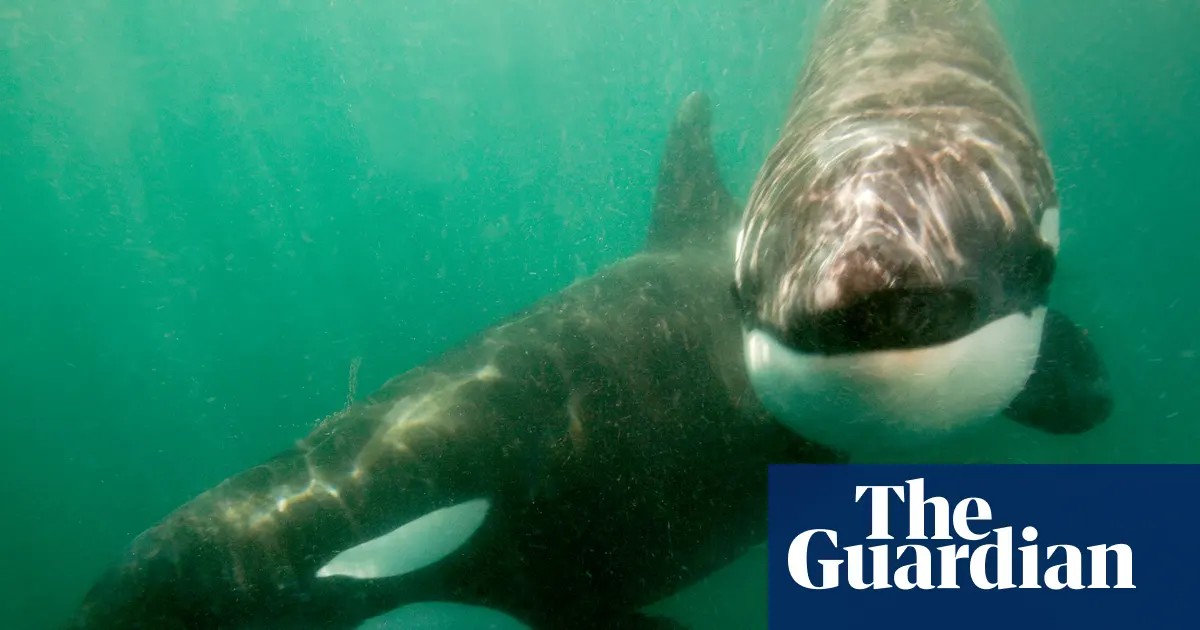
On the surface of the Gulf of California, scientists are watching apex predators use a bizarre, violent tactic. An orca grips a massive, dead mola mola—also known as a sunfish—in its teeth. Then, a second whale smashes into it. At full speed.
The result isn’t just a kill. It’s an explosion of flesh and bone.
For years, we knew orcas were smart. We’ve seen them wear dead salmon like hats. We’ve seen them surf boat wakes and throw kelp at each other like toddlers with water balloons. But seeing them coordinate a high-speed collision specifically to pulverize prey into thousands of bite-sized shards? That’s new. And it’s messy.
The science of the smash
Dr. Kathryn Ayres from Beneath The Waves has been tracking these events. In July 2024, she captured the first clear footage using a GoPro mounted near her boat. You can hear her shriek in the audio track. Not out of joy, exactly. But out of sheer, overwhelming shock.
“When you see a multi-ton apex predator charge that hard right next to your hull, the sound hits you first,” Ayres explains. “Then the tissue just… disperses.”
Erick Higuera, a marine biologist with Conexiones Terramar, co-authored the study published in Frontiers in Ethology. He puts the scene in stark perspective. The acoustic thud alone is deafening. But visually? It’s a white plume of fragments rising into the water as the sunfish ceases to be a coherent animal and becomes a cloud of debris.
Why do they do it?
Hypothesis one is practical. Sunfish are tough. Rubbery. Heavy. They can weigh up to 2,000 kg and stretch over three meters. A juvenile orca has a smaller jaw. Smashing the carcass breaks the tough hide and muscle into easy-to-swallow chunks. It’s a service. A messy, violent service.
But here’s the thing.
Orcas don’t just do things because they have to.
It’s likely just for fun
If this were purely about calories, the mother could tear the fish apart with her teeth. It’s slower, sure. But it’s cleaner.
The ramming requires coordination. Planning. Precision. You need one whale to hold the target steady. You need another to accelerate. You need both to release at the exact second the impact occurs.
That kind of complexity suggests something beyond survival.
“They throw kelp at each other,” Higuera notes. “They engage in intricate tactical games. Play is a core pillar of orca society.”
Think back to the 1980s. A pod of orcas in the Pacific Northwest started balancing dead salmon on their heads. Like hats. It made no sense. No other pods did it. Then, decades later, another pod picked up the trend. It spread. It was a fad. A social behavior with zero survival benefit.
Maybe smashing sunfish is just that. A game. A gory form of entertainment where the prize isn’t just the food, but the sheer kinetic energy of the collision.
Where and when it’s happening
Most of these sightings have occurred in the Gulf of California. Mexico. The water here is warm, rich with life, and home to large populations of both orcas and sunfish.
One instance was filmed in September 2025 by a local tourism operator. An adult female holds a dead sunfish. A second orca charges. Boom.
We don’t know if it’s the same whales every time. The Gulf is busy. The interactions are frequent enough that scientists are starting to see this as a established behavior within specific subpopulations. It’s not a one-off stunt. It’s a thing they do.
The tourism trade-off
This brings us to a tricky spot.
Science relies on people being out on the water. Drones. Underwater cameras. Boat-based observations. Without these eyes, mysteries of ocean life would remain hidden. We wouldn’t know orcas smash sunfish. We wouldn’t know they balance salmon. We wouldn’t know the depth of their social complexity.
But there’s a cost.
Wildlife tourism is disruptive. Mexico recognized this and issued new regulations on swimming with orcas just last year. You can’t get close enough to document the behavior without risking the animals. You can’t play your part in the ecosystem if you’re stressing them out.
Higuera argues for a middle ground. Respectful distance. No chasing. Just watching.
“If we maintain that distance,” he says, “we can document these mysteries safely. We protect them by understanding them. But only if we stop treating them like attractions and start treating them like subjects.”
So, is it play or practice?
Maybe it’s both.
Young whales might need to learn how to handle slippery, massive prey. They need practice. But the execution—the acceleration, the release, the aftermath—is flashy. It’s performative.
Orcas are known to play with their food. They push balls of kelp around. They barge each other. They chase boats for kicks. This ramming behavior fits that pattern. It’s boisterous. It’s unnecessary.
It’s fun.
And as the sun sinks below the horizon of the Gulf of California, the orcas swim off. The white plume settles. The fragments drift down into the dark, warm water. Somewhere down there, a juvenile whale finds a bite. A big, juicy bite.
He doesn’t thank the killer whale for the convenience. He just eats.
The water calms. The cycle continues. No grand lesson learned. No moral. Just power. Speed. And the strange, violent joy of smashing things for no reason other than the fact that you can.