It shouldn’t have been fatal. That is the chilling core of a story that remained silent for over a year. A six-year-old girl named Mei died in March 2024 from an experimental gene therapy. Her condition, Snijders Blok-Campeau syndrome (SB-CS), is rare. It affects development. But it is not lethal. She was given hope. She got a fever instead. She died within a week.
Her parents, known only as Jason and Linda, stayed quiet until now. A joint investigation by Science and Retraction Watch, published July 23, 2024, pulls back the curtain. It exposes a regulatory failure in Shanghai that cost a child her life. This isn’t just a tragedy. It is a warning about unsafe gene therapy regulations in China.
Who was Mei and what caused her death?
Mei’s journey began with a diagnosis of global developmental delay in 2021. Genetic sequencing revealed the root cause: mutations in the CHD3 gene. This gene controls how DNA is packaged in cells. It’s vital for early brain development. When it breaks, speech and intellectual disabilities follow.
Her symptoms were mild. She received speech and occupational therapy. She attended special education support. She had a future. But Jason worried. He feared she would never live independently. He worried she would always trail behind in school. So he looked for a cure. He found one online.
“We were desperate for any option that offered a chance for her to have a normal life,” Jason explained.
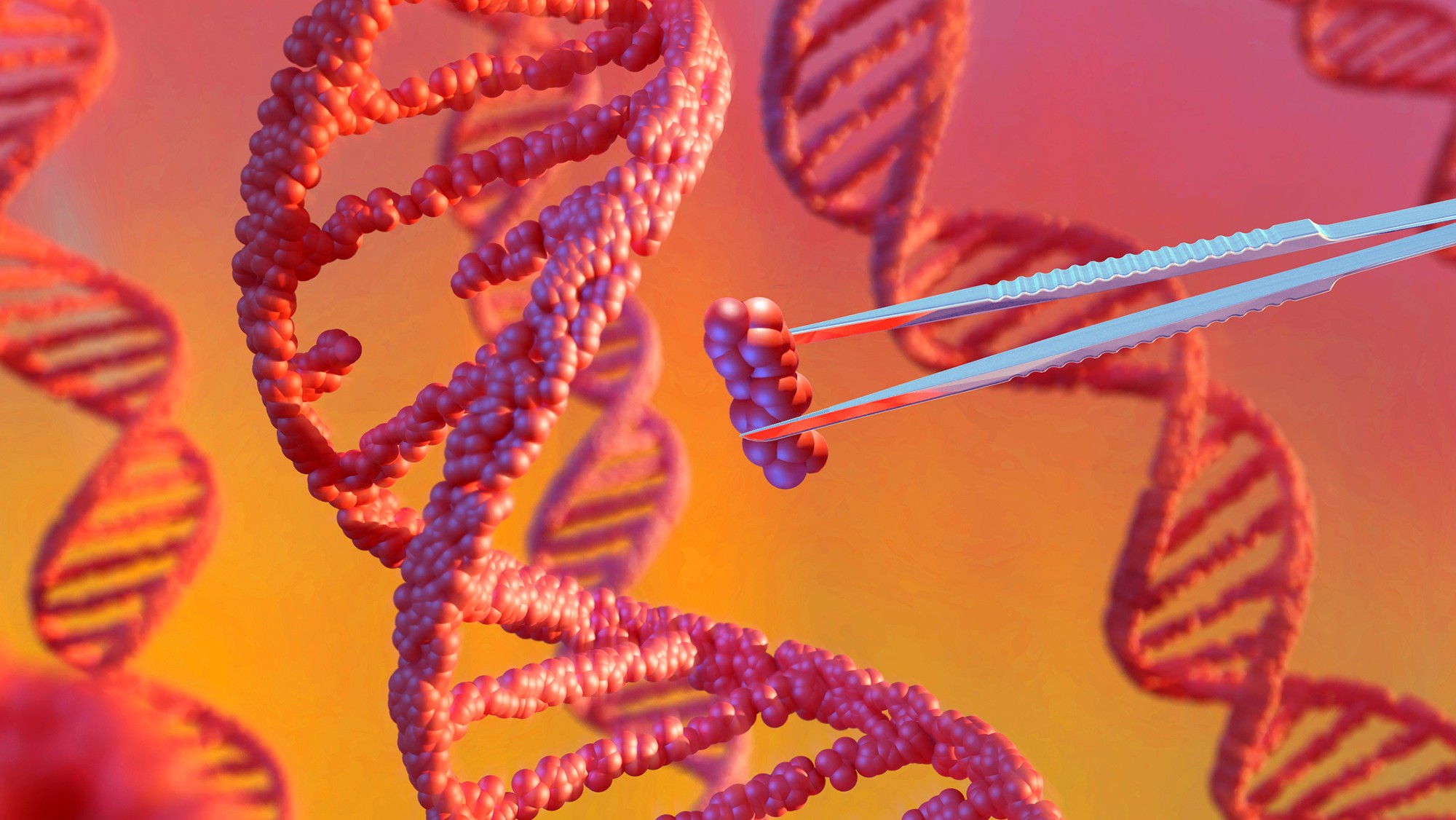
He found Dr. Zilong Qiu on WeChat. Qiu is a neuroscientist at Shanghai Jiao Tong University’s brain center. He also runs Lanqi Xintu Gene Therapy. He claimed he could edit her genes. He proposed a CRISPR-based base editor. It swaps single letters in DNA code. The goal? Correct the CHD3 mutation in her brain.
The cost of hope and the bypassed rules
The price was steep. Jason and Linda paid roughly $860,000. This covered development, testing, and the procedure itself. They paid informally. Directly to team members.
Charging for unproven therapies is illegal in China. Qiu circumvented this. He claimed the payments went to his company, which then funded the medical procedure. A legal loophole. A moral blind spot.
Safety data was alarming. In January 2024, the team submitted a manuscript to Nature detailing animal experiments. By February 2024, toxicology studies showed severe problems. Four monkeys treated with the therapy developed moderate to severe liver damage. One had kidney damage. Experts told Science this signaled a dangerous inflammatory response. A known risk of virus-based gene therapy.
The hospital’s ethics committee ignored this. They gave the green light. They did not review the liver damage data before approving Mei’s injection. Chinese regulators did not require FDA-style clearance for this type of trial. The gatekeepers were asleep at the wheel.
Why did the treatment fail?
On March 24, 21024, Dr. Yongguo Yu performed the procedure. He injected gene therapy-laden viruses directly into Mei’s spinal fluid. He used steroids to dampen immune reactions. But it was too late. Or perhaps not strong enough.
Within days, the crash began. Mei developed a high fever. She stopped urinating. Her platelet levels plummeted. Doctors rushed her to intensive care. Seven days after the injection, she was dead.
The cause of death? Thrombotic microangiopathy. An immune reaction. Blood clots formed throughout her body. This is a documented risk of viral gene vectors. It happened despite the precautions.
The consequences for the perpetrators were minimal. Xinhua Hospital paid a fine of roughly $3,600. Dr. Yu received verbal counseling. No criminal charges. No revocation of licenses. Just a slap on the wrist.
What does this mean for gene therapy safety?
This case mirrors the infamous “CRISPR babies” scandal. It suggests China’s regulatory tightening was superficial. Or unenforced.
Qiu initially agreed to withdraw his Nature paper after the death. The family feared other parents would be lured in. The paper was published anyway in February 2024. It received positive press coverage. Parents in the same WeChat groups started asking for the treatment.
Jason and Linda filed complaints. They contacted the university. They wrote to Nature. The university took no action. Nature initially deflected, saying ethical issues fell outside data integrity. Later, they stated they were unaware of the clinical trial issues at the time of publication.
Why did it take a year to report this? Fear. Pressure. A system that protects researchers over patients.
The lingering questions
We are left with hard truths.
– The therapy was not life-saving. It was life-ending.
– The safety data was ignored.
– The family paid for a crime disguised as medicine.
– The regulators looked away.
Science notes that this raises serious questions about oversight in human clinical trials. Especially in China. Where does the line lie between innovation and negligence?
Mei’s story is no longer hidden. Her parents spoke up to save others. But the system remains. The laws are vague. The incentives for quick profits are high.
Will another parent find a doctor on WeChat tomorrow? Will another child pay with their life? We don’t know yet. The silence is broken. The danger remains.