SpaceX called it. Right at the line.
Last night, Starship Flight 13 sat on Pad 2 in Texas, fueled and ready to go. T-0. The countdown hit zero. Nothing happened. The rocket didn’t lift off. The flight computer triggered an automatic abort. A hold.
Elon Musk was quick to explain why.
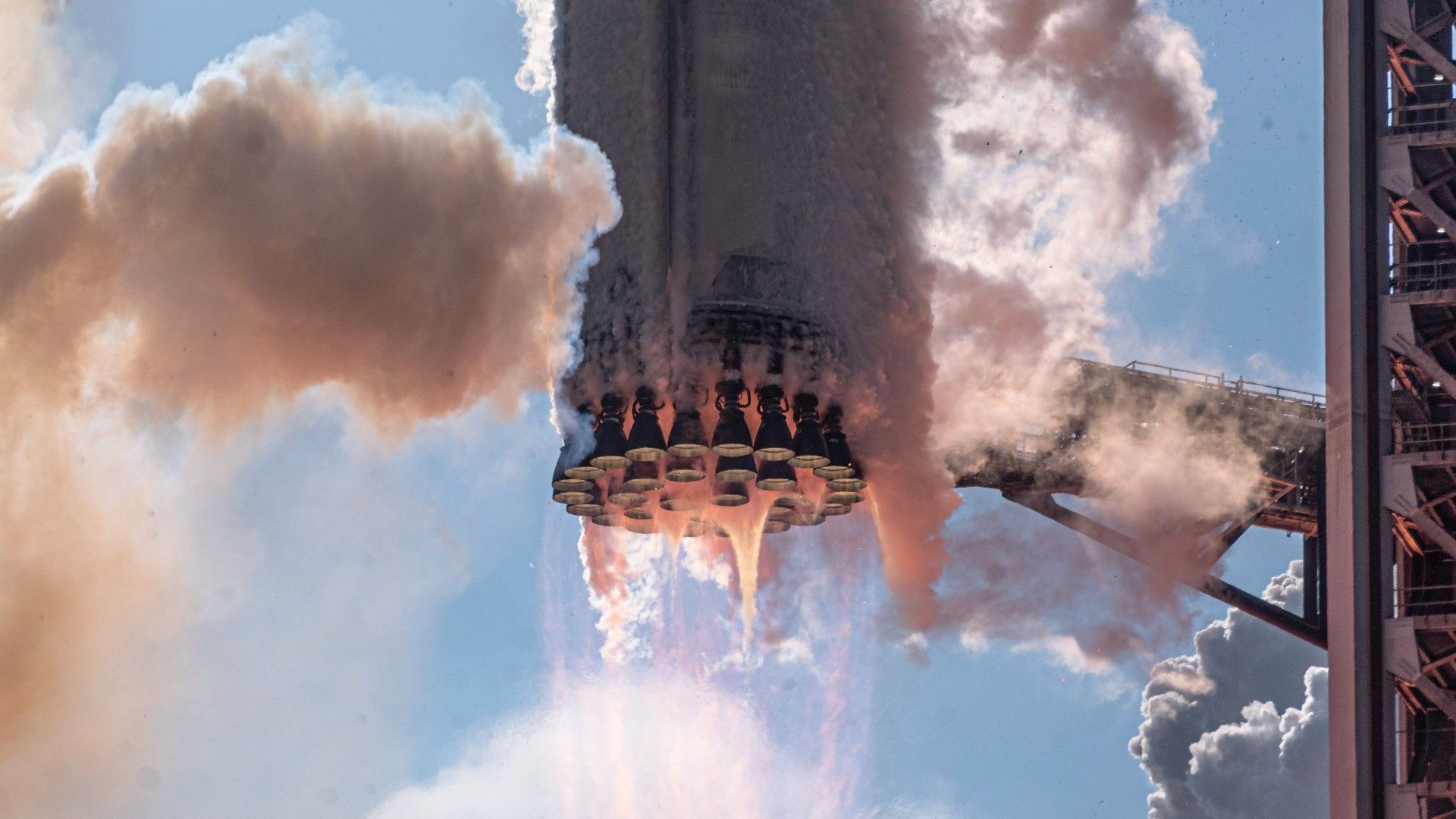
He said some Raptor 3 engines on the booster failed to light at ignition. Specifically, he noted later that they needed to pull two Raptors and swap them out. You can’t launch without them working. It wasn’t a software glitch, it was hardware refusing to play along.
“Most probable launch timing is early next week,” Musk posted.
So here we are. Early next week. The immediate joy of a liftoff has been replaced by the grinding routine of engineering fixes. Offloading propellant. Unstacking. Checking. Fixing. Rechecking.
What went wrong
It happened during the final seconds.
Dan Huot, the guy calling the shot for the livestream, confirmed the booster triggered a hold just as they were starting to light the Raptor engines. It was abrupt. The team moved quickly to offload the liquid methane and liquid oxygen. Methalox. It’s cold. It’s volatile. You don’t want it sitting on a rocket that’s stuck on the pad longer than necessary.
No one knows exactly why those engines refused to start, not yet. SpaceX usually guards the specifics of early test failures. But the fix seems straightforward. Swap the engines. Hope it was just those two.
This isn’t a total disaster. This is Flight 13. They are testing the world’s most powerful rocket. Things break. Things fail to light. That is the point of flying it.
To be confident of a good flight… 2 Raptors will be removed and replaced.
Musk’s confidence suggests the team expects a relatively quick turnaround. He said “hopefully in a few days” initially. Then refined it to early next week. That’s tight. That implies they know exactly what’s broken.
The stakes are high
Why does Flight 13 matter so much?
This is Version 3. V3. It’s bigger. It’s stronger. Flight 12 proved the concept of the V3 design worked reasonably well. Flight 13 is supposed to prove it’s repeatable. It’s the second flight of this specific hardware generation.
Success would have opened the door for two massive milestones:
- Orbital flights soon: Not just sub-orbital hops, but full orbits.
- The Chopsticks catch: They want to catch the returning Ship upper stage with the launch tower’s arms.
If they catch Ship 40 with the tower arms, the game changes. Reusability becomes real, not just a promise. They skip landing legs. They skip propulsive landing burn fuel for recovery. Just drop the thing from space, fly underneath it, grab it, put it back together, fly again.
But that’s all downstream from a simple ignition. And the ignition failed.
The countdown that was
It felt like it was going to be smooth sailing.
Earlier in the day, SpaceX reported 90% weather probability. No issues with fueling. The teams had cleared the beach. Bozos stood around waiting.
The stack was impressive. Super Heavy Booster 20 had been rolled back to Pad 2. Ship 40 had joined it. They’d done static fire tests on the Raptor 3 engines. Both stages checked out. The massive stack rose over Starbase.
The window was 90 minutes. 6:45 p.m. EDT. A generous span.
For an hour, nothing stopped them. The propellant flowed in. Cryogenic liquids freezing the ground beneath. The hum of the facility. The anticipation building on Twitter. People refreshing feeds. Waiting for that vertical rise.
And then, silence. A hold. A scrub.
It’s the cruel part of spaceflight. You build tension, you build a crowd, you build hope, and then physics or mechanics says not today.
What comes next
The rocket is probably sitting empty right now. The team is stripping out the failed engines. They will have new Raptors installed by Thursday or Friday, assuming they aren’t back-ordered.
Musk says early next week.
If everything goes right, we get another try. We get another countdown. We get another T-0 moment. And hopefully, all the engines light.
If they fail again, it gets more expensive. If they succeed, the chopsticks come out for Flight 14.
But right now, there is just work.
You know, how do you fix a rocket engine in two days? You don’t really. You hope you don’t have to rebuild it from scratch.
SpaceX moves fast. They’ve moved faster than NASA, faster than Blue Origin, faster than history. But engines are still metal. And metal breaks. Or doesn’t ignite.
We wait.
The launch window opens and closes like a trap door. One day you’re through, one day you’re on the ground looking up at the empty sky where a fire should have been.
What do you do on a Tuesday night when your rocket won’t start? You go to work.
That’s what SpaceX does. That’s why we watch. Because next week, they’ll try again. Probably.