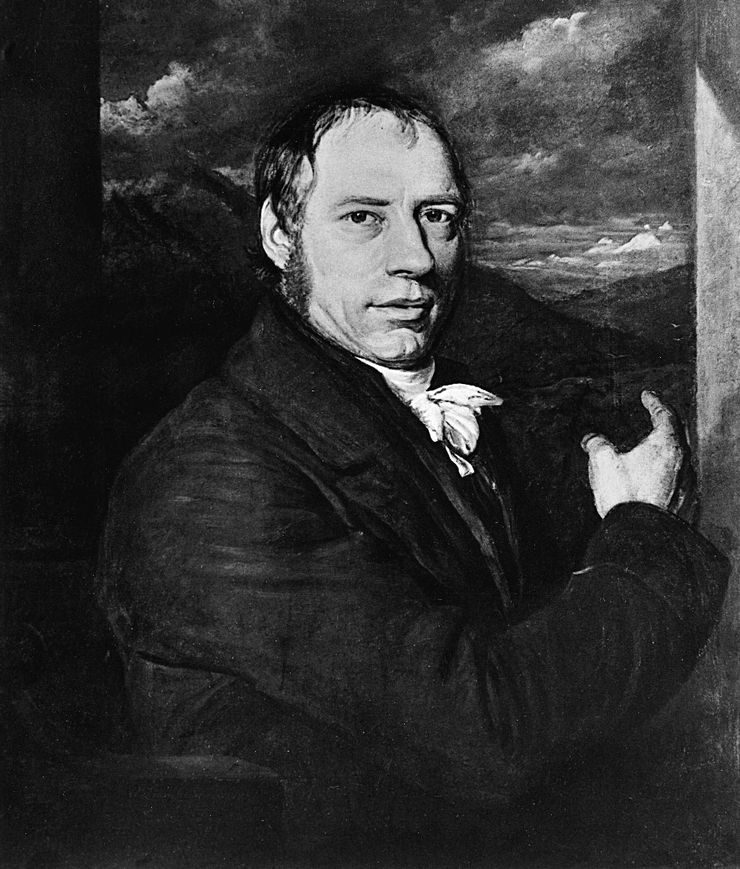
Richard Trevithick didn’t have a degree. He didn’t have a pedigree. What he had was a knack for high-pressure steam and a willingness to build things that were supposed to be impossible. Born in 1771 in Illogan, Cornwall, he grew up around ore mines. By 1790, he was already working as an engineer there. The mines relied on massive, inefficient low-pressure engines just to hoist ore out of the ground. Trevithick thought that was nonsense.
His experiments with high-pressure steam changed everything. The result was a small, light engine. It replaced those bulky predecessors. In 1801, he built the first steam carriage. He drove it through London streets. People were terrified. It was a loud, hissing beast on wheels. Three years later, in 1803, he built the first steam railway locomotive for an ironworks in Wales.
Then reality hit. The iron rails couldn’t handle the weight. They buckled. Trevithick abandoned his locomotive projects in 1808. The technology was ahead of the infrastructure. It happens a lot.
He didn’t stop. In 1806, he adapted his engine to create the first steam dredger. Waterways needed cleaning. He provided the power. Then came the dream of wealth. In 1816, he traveled to South America. He took his engines to Peruvian silver mines. He thought this would make him a fortune. It didn’t. He returned to England in 1827. He was penniless. He died in Dartford, Kent, in 1833.
But he did something else first. He proved that steam could move on its own. Without horses. Without gravity. Just pressure and heat.