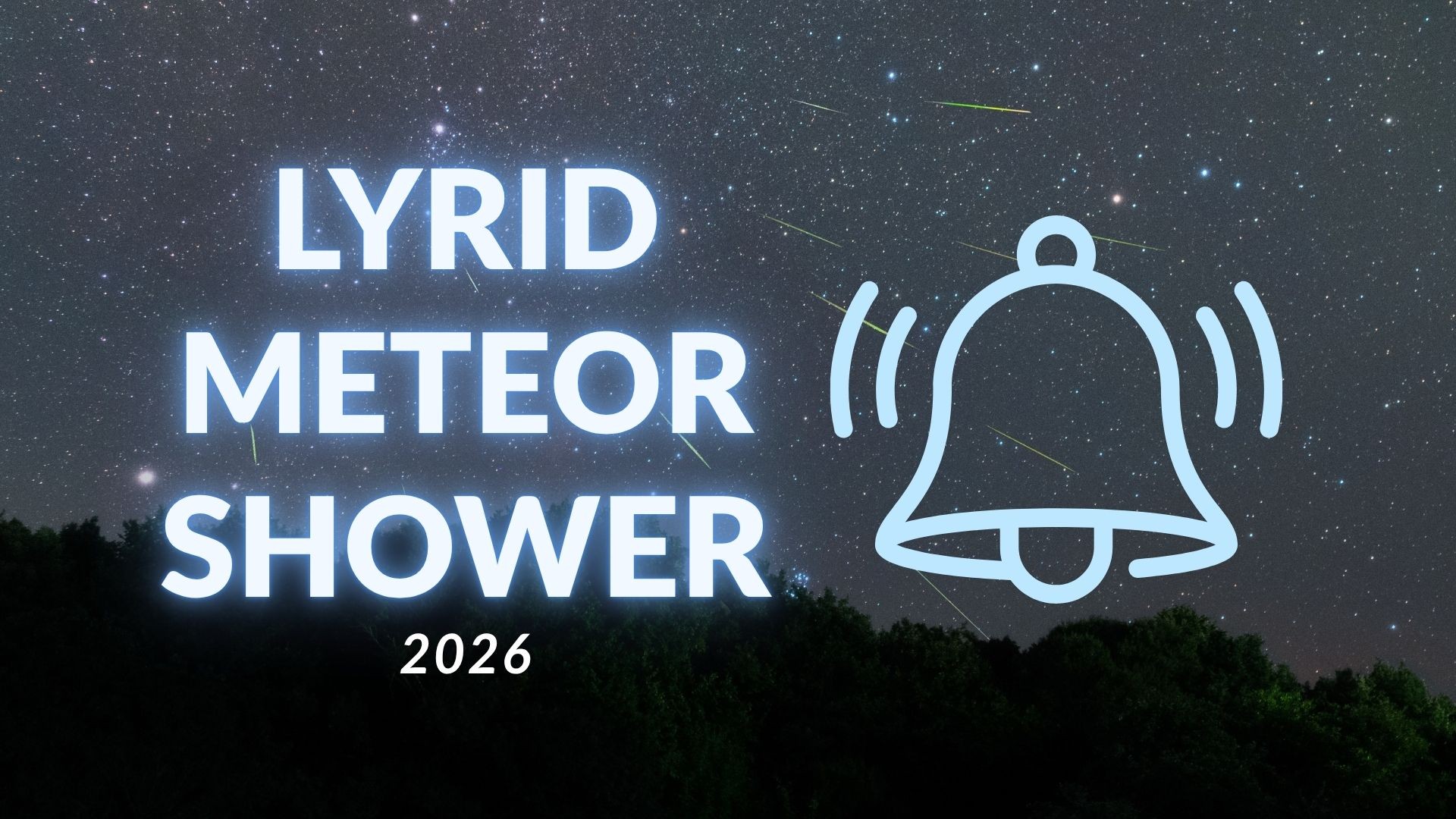
Stargazers have a prime opportunity to witness a celestial display tonight as the Lyrid meteor shower reaches its peak. If you are looking toward the skies in the predawn hours of April 22, you may see streaks of light cutting through the darkness, occasionally punctuated by brilliant “fireballs.”
What is the Lyrid Meteor Shower?
The Lyrids are not random occurrences; they are the result of Earth passing through a trail of debris left behind by Comet Thatcher. This long-period comet last passed close to Earth in 1861, and every year, our planet intersects the dust and particles it shed. As these tiny fragments collide with our atmosphere at high speeds, they burn up, creating the glowing streaks we recognize as meteors.
When and Where to Watch
To maximize your chances of seeing the show, timing and positioning are critical.
- The Best Time: The peak activity occurs in the early morning hours of April 22, specifically just before dawn.
- The Radiant Point: While meteors can appear anywhere in the sky, they originate from a “radiant” point in the constellation Lyra, located near the bright star Vega.
- Pro Tip for Visuals: For the most dramatic and long-lasting streaks, look slightly away from the radiant point. Meteors appearing further from the center often leave longer, more impressive trails across the sky.
Optimal Viewing Conditions
This year offers particularly favorable conditions for observers. The moon is expected to set around midnight, meaning the sky will be at its darkest during the peak hours before sunrise. Darker skies are essential for meteor watching, as they reduce “light pollution” that can wash out fainter streaks.
Tips for an Ideal Experience
If you plan to head outside to observe the shower, follow these steps to ensure the best view:
- Seek Darkness: Get as far away from city lights and artificial glow as possible.
- Protect Your Night Vision: Once you arrive, allow your eyes 20–30 minutes to fully adjust to the dark. Avoid looking at your phone, as the blue light will instantly reset your pupils and make it harder to see the meteors.
- Be Patient and Prepared: Meteor activity often comes in sudden bursts. Plan to spend at least an hour outside, and remember to dress warmly, as temperatures can drop significantly in the early morning.
Note for Photographers: Capturing meteors requires specialized equipment and long exposure settings. If you are attempting astrophotography, ensure your camera is on a stable tripod to manage long durations of light intake.
Summary
The Lyrid meteor shower peak offers a chance to see up to 20 meteors per hour, including bright fireballs, provided you watch in the dark, pre-dawn hours of April 22. By finding a dark location and allowing your eyes to adjust, you can enjoy a spectacular view of Comet Thatcher’s ancient debris.