Florida is currently grappling with its most intense drought in a decade and a half, with over 70% of the state categorized by the U.S. Drought Monitor as being in “extreme” to “exceptional” drought conditions.
While the state is accustomed to seasonal shifts, the current crisis is marked by its unusual timing and the rapid intensification of dry conditions. Unlike typical summer droughts, this one has taken hold during the spring, creating a precarious situation for agriculture, water supplies, and wildfire prevention.
The Science Behind the Dry Spell
The drought is being driven by a combination of atmospheric patterns and long-term weather trends:
- Stationary High Pressure: A ridge of high atmospheric pressure has remained over the Southeast since March. This causes air to sink and compress, which prevents cloud formation and keeps the region warm and dry.
- Deficit in Rainfall: Since September 2025, many areas have received less than 50% of their typical rainfall—some regions are currently 20 to 25 inches below average.
- La Niña Influence: A recent La Niña winter shifted the jet stream northward. This pattern typically brings wetter weather to the northern U.S. while leaving the southern states, including Florida, warmer and much drier.
- Lack of Tropical Activity: A deficiency in tropical storms over the past year has deprived the region of its usual sources of heavy moisture.
“Rain cannot form in sinking air so it just stays warm and dry,” explains Pam Knox, an agricultural climatologist at the University of Georgia.
Why This Drought is Different
Historically, Florida’s most severe droughts occur during the summer months. However, the current intensity is unprecedented for this time of year; the state has not seen such extreme dryness this early in the season since 2000.
While natural variability like La Niña plays a major role, experts note that global warming and shifts in the water cycle may be exacerbating these conditions, making dry spells more intense or harder to break.
Critical Impacts: From Aquifers to Agriculture
The consequences of this drought are moving from the surface deep into the state’s infrastructure:
1. Depleted Groundwater
Satellite data indicates that shallow groundwater aquifers are drying up. Because people and farmers are extracting more water to compensate for the lack of rain, these vital reserves are being depleted faster than they can recharge. Aquifers are “lagging indicators,” meaning they often show the full extent of a drought only after the surface has already dried out.
2. Agricultural Crisis
Farmers are facing significant economic uncertainty. The extreme dryness in early spring has forced many to delay or entirely skip planting crops like soybeans and peanuts. If local production fails, consumers may face:
– Higher food prices
– Shortages of locally grown vegetables
3. Wildfire Risks
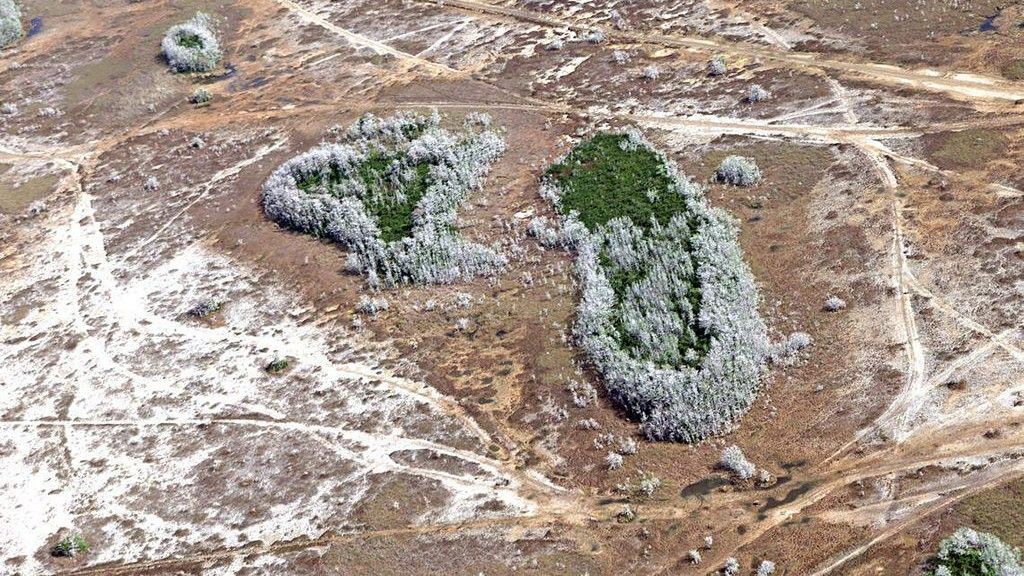
The lack of moisture has turned vegetation into highly flammable fuel. This has already led to wildfires, such as the blaze in the Big Cypress National Preserve, and continues to threaten the delicate ecosystem of the Everglades.
Looking Ahead: When Will Relief Arrive?
The immediate outlook remains challenging. Experts predict conditions will likely worsen through the end of April due to high temperatures and continued lack of rain.
Potential Turning Points:
– Late April/May: Relief may arrive as the high-pressure ridge shifts east, potentially allowing cold fronts to bring rain.
– Summer Outlook: A predicted El Niño pattern could bring wetter weather later in the year, which would be a significant help.
However, breaking a drought requires more than just a single rain shower. To replenish the soil and aquifers effectively, the region needs consistent, moderate rainfall or a slow-moving tropical system. Excessive rain all at once could be wasted as runoff, especially in areas with less absorbent soil.
Summary: Florida is experiencing a rare and severe spring drought driven by persistent high pressure and La Niña patterns, threatening groundwater levels, agricultural stability, and increasing wildfire risks. While relief is expected in late spring, significant rainfall is required to fully recover the state’s depleted water reserves.