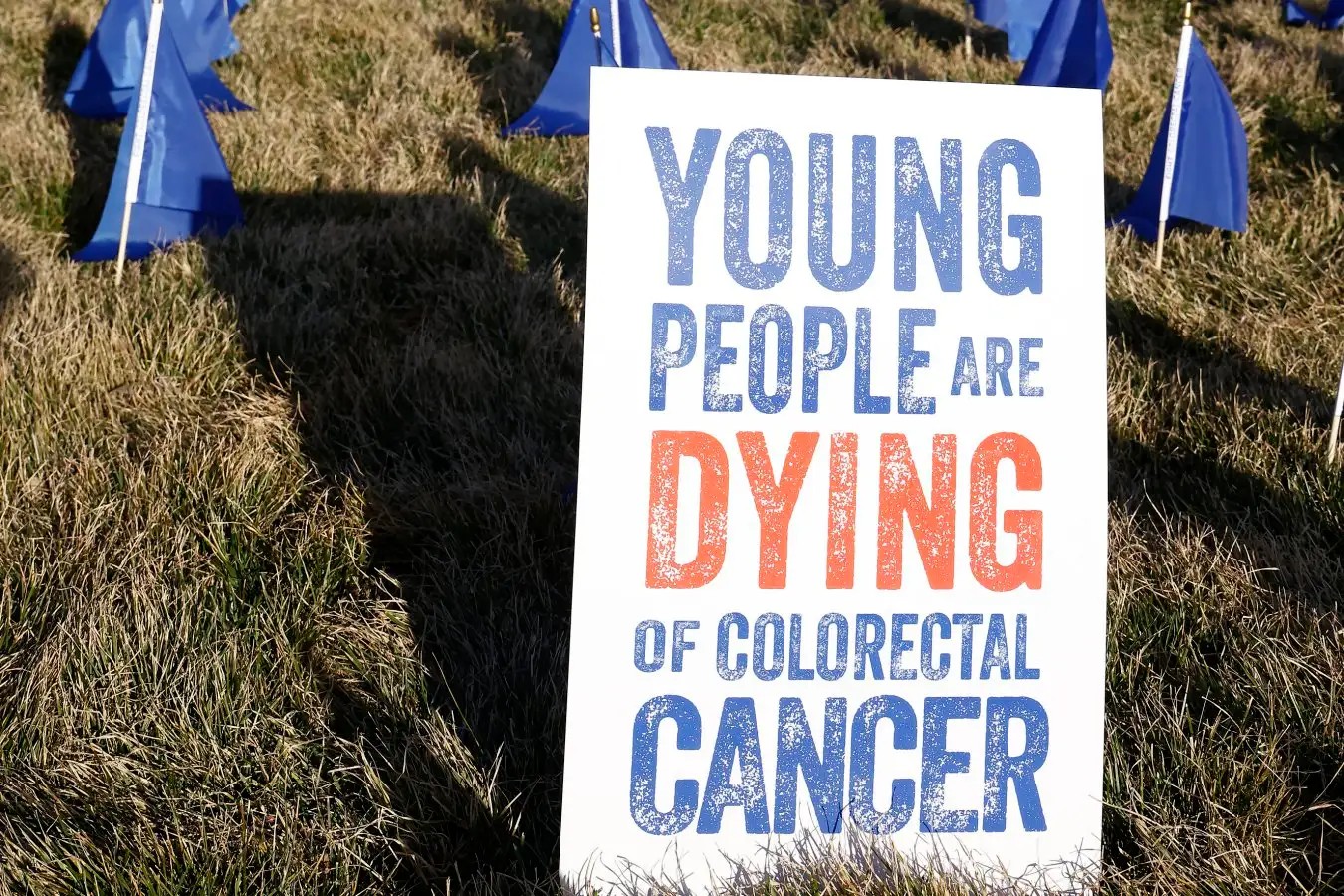
A growing body of medical research is grappling with a troubling trend: the rising incidence of cancer among adults under the age of 50. While scientists are working urgently to identify the drivers behind this shift, recent findings suggest that the answer is not as simple as a single lifestyle factor.
The Growing Trend
Global data indicates a significant uptick in cancer diagnoses among younger populations. Since the 1990s, countries such as the US, Australia, and Canada have seen bowel cancer rates climb by approximately 50%.
A detailed study led by the Institute of Cancer Research (ICR) in London examined trends in England up to 2019, identifying 11 types of cancer that are increasing in people aged 20 to 49. The most prominent among these are:
– Breast cancer
– Bowel cancer
– Liver, kidney, and pancreatic cancers
These specific cancers have shown annual increase rates ranging from 1% to 6%. Interestingly, for most of these types, the rates are also rising in people aged 50 and older, suggesting a common underlying cause affecting multiple organs and systems.
The “Obesity Gap” in Explanations
Researchers investigated several known behavioral risk factors—including smoking, alcohol consumption, physical inactivity, fiber intake, and processed meat consumption—to see if they accounted for these spikes.
The results were unexpected: most of these risk factors have remained stable or have actually improved over recent decades. The only factor showing a consistent negative trend is Body Mass Index (BMI). However, obesity alone cannot explain the phenomenon.
“Although BMI is our best clue, much of the increases still remain unexplained,” notes Montserrat Garcia-Closas of the ICR.
For example, the rise in BMI only accounts for roughly 20% of the increase in bowel cancers among young women. This discrepancy leaves a massive “missing piece” in the puzzle, prompting scientists to look toward other modern environmental and biological influences.
Emerging Theories and Scientific Context
Because traditional lifestyle factors don’t fully tell the story, researchers are pivoting toward more complex, modern variables. Potential culprits currently under investigation include:
– Ultra-processed foods: The impact of highly engineered diets on cellular health.
– “Forever chemicals” (PFAS): Environmental pollutants that persist in the body and ecosystem.
– Gut Microbiome disruption: The potential role of antibiotics in altering the internal bacterial ecosystems that regulate health.
It is also worth noting that researchers cannot entirely rule out changes in diagnostic accuracy —meaning we may simply be getting better at finding cancers that previously went undetected in younger patients.
A Note of Caution and Hope
While the trend is concerning, experts urge a balanced perspective. In England, bowel cancer in the 20–49 age group remains relatively rare; a 3% increase translates to only about 100 additional cases per year.
There are, however, signs of progress:
1. Flattening Trends: Recent data through 2023 suggests that the upward trajectory of these cancer rates has begun to level off.
2. Medical Interventions: The widespread use of GLP-1 weight-loss drugs (such as semaglutide) could potentially reverse obesity trends, which may lead to a subsequent decline in obesity-related cancers in the coming years.
3. Vaccination Success: The study excluded cervical cancer, as rates are plummeting due to the success of the HPV vaccine.
Conclusion
The rise in cancer among young adults appears to be a multifaceted issue driven by more than just weight gain. While the exact causes remain elusive, the combination of shifting environmental factors and new medical treatments offers a glimmer of hope for reversing these trends.