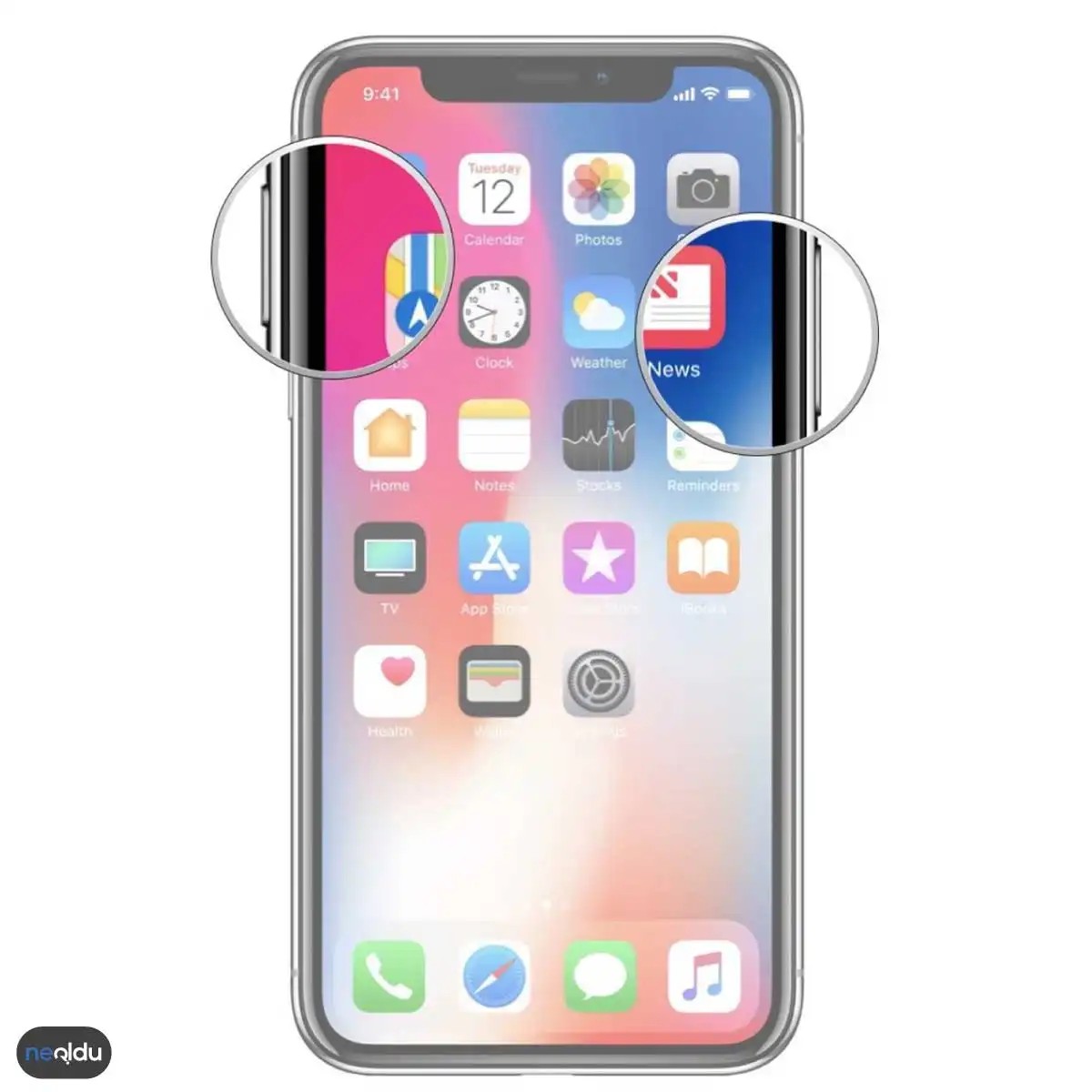
The screen of your iPhone is more than just glass and light. It’s a window into your digital life. Sometimes, you need to freeze a moment. funny meme. Confusing error message. A receipt for a coffee you don’t remember buying. Capturing that visual data is easier than you think. You don’t have to be a tech wizard. You just need to know which button to press or which gesture to make.
Apple has quietly integrated several ways to take pictures of your screen. Some are obvious. Some are hidden in the settings. If you have an older iPhone, the approach is different than if you have a newer model. The hardware has changed. The logic remains the same.
Standard button combinations
Like most iPhones, this approach is engineered with muscle memory. Press both buttons simultaneously. It almost feels mechanical.
Look for the side button on the right side. Find the Volume Up Button on the left side. Press at the same time. Release them quickly. You can hear the shutter sound. A thumbnail will flash in the lower left corner of the screen.
This applies to iPhones with Face ID, except for the latest models, which have slightly changed gestures. This is the fastest way. It requires no setup. Click and capture.
Double-click technology (iPhone X and later)
If you have an iPhone X or a model with Face ID, there’s an easier way. There are no buttons. Just use your fingers. This is often referred to as the back feature, but sources refer to it as “double-clicking the top button”, which is a misinterpretation of the functionality of the side button or certain accessibility features. Let’s reveal what the real hardware looks like after the iPhone X.
In fact, the standard iPhone X and later doesn’t have a double-click on the side button to take a screenshot by default. The “back touch” feature makes this possible. You can configure the back of the phone. Go to Settings. Tap Accessibility. Tap Touch. Select Back Tap. You can choose to double-click or triple-click. Assign it to “Screenshot.”
Next, double-tap the back of the iPhone. Click. Done.
This is very convenient. It saves your buttons from wear and tear. It allows one-handed operation when holding the phone with your thumb on the screen. If you are constantly capturing images, this reduces physical strain.
Let Siri do the work for you
Voice commands are used for more than just setting timers. You can also capture the screen. This is useful when your hands are full. Or dirty. Or holding a baby.
Start Siri. Say “Hey Siri” or press and hold the side button. Next, give clear commands. Say, “Take a screenshot.”
Siri will process your request. She captures the image. She saves it to your Photos app. It’s slower than pressing a button. There will be a slight delay. But it’s a lifesaver when you can’t get to the buttons.
AssistiveTouch function
AssistiveTouch is an accessibility tool. Create a floating button on the screen. This button can mimic almost any physical action. Including screenshots.
Open the settings. Go to accessibility. Tap Touch. Enable Assistive Touch. A gray ball appears on the screen. Tap it. Navigate to Device. Look for
The shift away from the physical Home button changed how we interact with the hardware. Since the iPhone X, Apple removed that tactile anchor. You can still take screenshots. But things are different now.
Using the Side and Volume Up Buttons
这就是肌肉记忆方法。 它反映了旧方法,但交换了按钮位置。
- 导航至您要捕获的屏幕。
- 同时按下 侧面按钮 (右边缘)和 音量调高按钮 (左边缘)。
- 快速释放它们。
- 您将看到屏幕周围有一条细细的白色边框闪烁。 如果您的手机未处于静音状态,则会发出快门声。
- 该图像会出现在您的照片 应用程序中,隐藏在相机胶卷 中。
速度很快。 一旦你掌握了正确的时机,就会很直观。 按下时间过长会弹出电源菜单。 太短了,什么也没有发生。 只需快速、用力地敲击两者即可。
Capture via Control Center
Your hands may be full or the buttons may be hard to reach. There is a software route to this.
- Open the content you want to save.
- Access to the Control Center. On iPhone X and later, swipe down from the top-right corner of the screen. Note the battery and signal icons here. That’s your starting point.
- Click the Screen Recording button. It looks like a solid circle inside a broken ring.
- Wait for the countdown.
3 seconds, 2 seconds, 1 second.
5.
The screen is flashing. A shutter sound is heard.
6.
Save it in the Camera Roll folder Photos.
So why use the button method?
Speed. Tapping Control Center requires two hand movements: opening a menu and tapping an icon. These buttons are one simultaneous use.
Old method: iPhone 8 and earlier
The article cuts off before going into details about the old devices, but the contrast is striking. If you have an iPhone 7 or older, you’re still using the Classic Combo.
In these models, you can press Home Button and Side/Top Button at the same time. The result is the same. Flash, sound and images from the camera roll. But the physical feel is missing from the new hardware. You have to rely on capacitive feedback, not clicks.
The layout changes. The logic is simple. capture. keep. Share.
The UI now hides most of the screen. Fewer bezels mean more space. However, the basic function of freezing a moment with the Digital Stone remains the same. It’s the same way as the trigger.
You may find yourself reaching for the home button on your new phone out of habit. It happens. Please adjust. Increased pages and volume are new anchors.
The process has changed radically over the years. Newer devices use side buttons. Older generation? It relied on physical hardware in a way that now seems almost archaic.
If you have an older iPhone – from the classic era to the iPhone 7 – you have to use certain buttons at the same time. It’s not just about pressing a button. It’s a coordination game.
Here’s exactly how to do it.
Physical key combination
First, go to the screen you want to capture. This can be a website, an app, or a settings menu. Once there, you need to prepare your fingers.
You don’t just use one button. You need two.
Look at the left edge of the device. Here is the side button (sometimes called “Sleep/Wake”). On the front, exactly in the middle below the screen, is the Home button.
Take a screenshot by pressing the side button and the home button at the exact same time.
Don’t hold them for a second. A short, firm press is enough.
Confirming the Capture
You know it worked. The display flashes white. Depending on your volume settings, you may hear the camera shutter sound. It’s the phone’s way of saying, “Okay.”
If the screen doesn’t flash, you’ve missed a moment. Try again.
Where does the picture go?
When the flash disappears, the image is captureed. It won’t disappear into the ether. It ends up in your Photos app.
Specifically look in the Albums tab. Usually it’s in the All Photos album. It is located at the very end and is the newest addition to your library. You’ll find it there alongside your regular photos and videos.
What can you do next?
You don’t get stuck with a static image. You can instantly interact with the screenshot through the iOS interface.
A thumbnail will appear in the lower left corner. Tap it.
You are now in the editor. You can:
* Draw on the screen with your finger.
* Cut out parts of the image.
* Use markup tools to add text or shapes.
* Share directly via message, email or social media.
Or you can just save it and forget about it. It’s up to you.
Troubleshooting: Why doesn’t it work?
Sometimes the buttons don’t respond. Why?
Older devices often have hardware problems. The home button mechanism may wear out. The side button can become sticky due to dirt or grease.
Software bugs are another reason. A frozen system may ignore button presses.
If the combination fails:
1. Restart your phone. This will clears the temporary software errors.
2. Check for updates. An outdated version of iOS may have a bug affecting input.
3. Clean the buttons. Remove the debris from the edges with a slightly damp cloth.
If nothing works, the hardware itself may be faulty. In this case, contacting Apple Support is the only real option.
Note for newer models
The contrast is remarkable. If you have an iPhone X or later, the Home button is no longer there. Now press side button and volume up button.
On iPhone 8 and earlier, it’s still the side button and home button.
The hardware determines the method. You cannot use the new combination on the old phone. It doesn’t register.
The reality of old technology
Older iPhones are still powerful enough for many tasks. Browsing, messaging, basic apps – they all still work.
However, the user interface is tied to the hardware of the time. You can’t get around that physical click. You have to learn the rhythm. Side and Home. Press together. Flash. Save.
It is a simple mechanical process. No gestures. No swiping. Just buttons.
And for some, this simplicity is a feature. For others, it’s a limitation.
Anyway, if you want to capture what you see on a small, older screen, you know how to do it. Press the buttons. Wait for the flash. Check your Photos album.
It works. Until the battery runs out or the button breaks.