


Souvenir shops used to sell live animals. Seriously. In the 1970s, you could walk into a beach town gift shop and leave with a hermit crab in a plastic bag. It wasn’t just a trinket. It was a trend.
Before then, baby turtles were the go-to pet for kids. Then salmonella concerns hit. The turtle trade crashed. Hermit crabs stepped in to fill the void. They sold everywhere. Coastal shops first. Then inland pet stores caught on. Now you can buy supplies for them anywhere.
The problem? People buy them on impulse. Like betta fish in small bowls. Hermit crabs are not impulse buys. They are complex creatures. You need to know what you are getting into before you bring one home.
What species of hermit crab is actually kept as a pet?
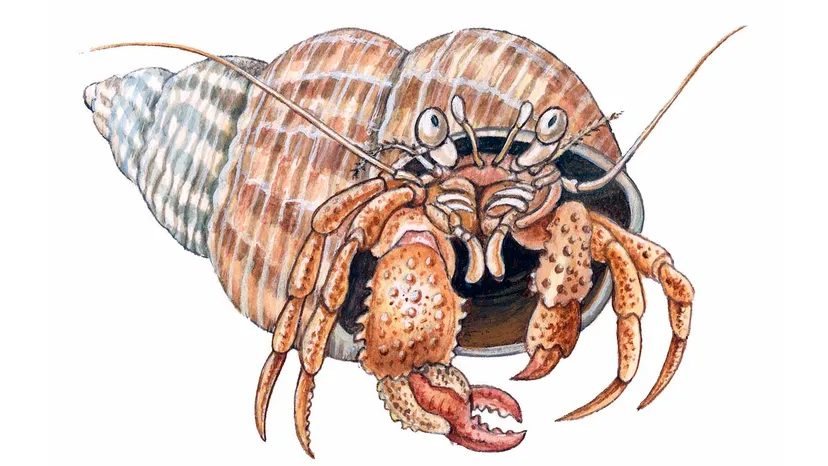
Hermit crabs belong to the superfamily Paguroidea. They are cousins to squat lobsters and porcelain crabs. There are about 800 species worldwide. Some live in the ocean. Some live on land. They all share one trick. They steal shells from mollusks to protect their soft bellies.
In the US, you will mostly find two species.
Coenobita clypeatus is the famous one. It comes from the Caribbean Sea. People call them “purple pinchers” or PPs. Their claws are deep purple. The rest of the body can be tan, gray, or red. They have round eyes.
Coenobita compressus is different. Known as the “Ecuadorian hermit crab” or “Eccie.” Its color is uniform. Claws match the legs and head. The eyes are oval. Taller than they are wide.
Both are popular. Both are misunderstood.
How to build a proper hermit crab enclosure
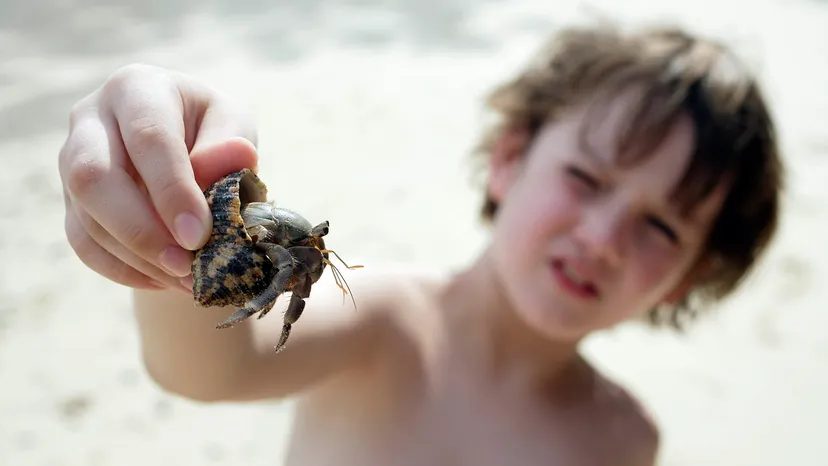
Most stores sell hermit crabs in tiny plastic cups. Those are transport containers. Not homes. If you keep them there, they will die.
Hermit crabs are active. They need space. They also need friends. The name “hermit” is misleading. In the wild, they live in colonies. It keeps them safe while they hunt for food. In captivity, they still need social interaction.
Do not buy just one. Get at least two of the same species. Loneliness stresses them out.
You need a glass tank. Plastic bins don’t work well for ventilation or climbing. A pair needs specific dimensions.
- Height: At least 12 inches (30 cm)
- Width: At least 10 inches (25 cm)
- Length: At least 20 inches (51 cm)
This is a standard 10-gallon terrarium. Smaller tanks are cruel. The crabs need room to climb, explore, and molt. If you are thinking of getting one, start with the right setup. Not the cute cup at the register.

Maintaining the Perfect Tropical Microclimate
Humidity is non-negotiable. These creatures are tropical natives, which means they thrive in thick, moist air. You need to keep that level between 75 and 85 percent. A good hygrometer is your best friend here. Pair that with a thermometer to ensure the temperature sits comfortably between 72 and 82 degrees Fahrenheit (22.2 to 27.7 Celsius).
Direct sunlight or drafts will wreck this balance fast. Keep the tank away from windows.
Heating requires some finesse. Overhead lamps, under-tank heaters, or both work fine, provided they are designed for cold-blooded pets. For humidity, you can use a humidifier, a fogger, or just spray the sides with a plant mister every day. The lid matters too. A solid cover traps moisture better than a screen top. If you use a screen, cover most of it with plastic wrap to stop the humidity from evaporating into your living room air.
Water Safety and Substrate Depth
Tap water kills. The chlorine in municipal water is toxic to hermit crabs. Always use dechlorinated water. They need two separate dishes: one for freshwater and one for saltwater. Never use table salt with iodine. It harms them. Use pure sea salt instead.
The dishes need to be deep enough for a full soak, but safe enough to climb out of. A natural sponge works great as a ramp.
Substrate is where the magic happens. It holds humidity and allows burrowing. The Hermit Crab Association recommends a mix of coconut fiber and play sand for beginners. Depth is key. The bedding should be at least twice as deep as the tallest crab in the tank.
Climbing Structures and Nutrient-Rich Food
Once the sand is down, add structure. Hermit crabs are climbers. Branches, driftwood, and hollow logs give them vertical space. Add a shallow tray for food. They are omnivores with serious appetites. Sardines, scrambled eggs, applesauce, and tofu are all on the menu.
Calcium is essential for their exoskeletons, much like it is for human bones. Make sure their diet supports shell health.
Signs of Molting and Lifespan Expectations
Growth requires shedding. When a hermit crab molts, it sheds its hard outer layer. Signs include digging more, eating less, or changing color. Sometimes they seem sluggish. Limb regeneration also happens during this phase.
Isolation can save lives. Tank mates might attack a molting crab. Moving the vulnerable crab to a separate container prevents injury. If you find a shed exoskeleton, leave it there. The crab will eat it to reclaim nutrients.
After molting, they often need a new shell. Keep a variety of extra shells in the tank. With proper care, these pets last a long time. One owner, caring for a female PP named Jonathan Livingston Crab, celebrated her 40th birthday in 2016. She was bought in 1976. The hobby has evolved, but the commitment remains high.
The Giant of the Coast: Coconut Crabs
There is a bigger cousin lurking in the wild. Coconut crabs inhabit tropical islands in the Pacific and Indian Oceans. They are massive. Weighing up to 9 pounds (4 kilograms) with a leg span of 3.2 feet (1 meter), they are the largest land-dwelling crustaceans on Earth.
They aren’t just eating coconuts. Their diet includes smaller animals, carrion, fruits, and seeds. Rats are occasionally on the menu. They are strong enough to crush bone. Do not poke one.


