Stories about hidden riches in the Pyrenean waterways aren’t just local folklore.
They are old. Really old. And now science has pinned down the timeline with startling clarity.
For centuries, whispers traveled across the Iberian Peninsula about gold lurking in the Segre River. Even medieval Islamic scribes took note. They wrote that Segre gold was prime material. Good enough for minting high-quality coins. Fast forward nearly two thousand years and a team from the Autonomous University of Barcelona (UAV) and the University of A Coruña decided to test the gossip.
The result? Concrete proof that Romans were there. Digging. Washing. Extracting. Around the third to fourth centuries CE
Water and stone
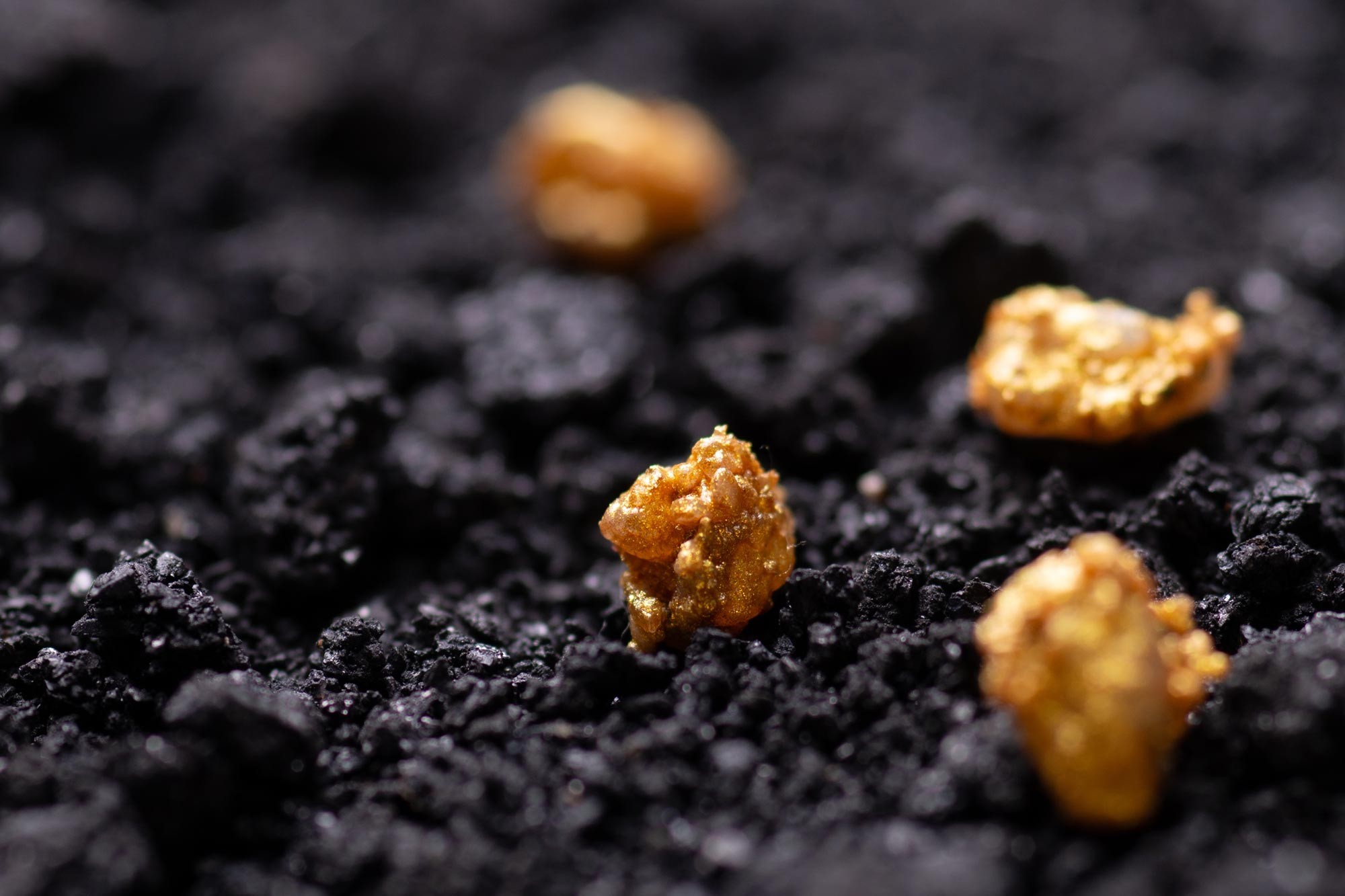
Gold doesn’t grow in rocks near the riverbanks usually. It comes from higher up. Specifically from Miocene deposits deep in the axial Pyrenees. Erosion moves it downhill. Water carries it. It settles on river terraces stretching from Cerdanya all the way to the Lleida plain. This is called alluvial gold. Secondary gold. It’s easy to miss unless you know where to look.
Historical hints pointed here long before modern drills arrived. Researchers knew a workshop at Castellot de Bolvir processed gold, silver, and cinnabar during the 1st and 2nd centuries BCE. Then there was the Guilleteres d’Alls site. Big erosional scars in the landscape. Suspicious ones. They looked exactly like the work of Roman hydraulic engineering. But looks aren’t evidence. Not in peer-reviewed journals anyway.
Romans loved a good flood.
They would channel water. Pressure it through galleries. Erode sediment until only the heavy bits remained. The gold stays behind. The dirt washes away. Brutally efficient. But how old was this specific dig? The site itself offered almost no artifacts. No pottery shards. No coins to date. Just mud and memory
Lighting the past
Traditional radiocarbon dating requires organic matter. Wood. Bone. Charcoal. The Guilleteres site had none of that. It was barren of useful trash.
So Professor Oriol Olesti Vila and his colleagues tried something else. Optically stimulated luminescence. Or OSL. It measures light trapped in quartz grains. Once sediment gets buried under archaeological layers, radioactive particles bombard the quartz. The grains absorb this energy over time. Like a slow battery charge. When you zap the sample with light later, the trapped energy releases. You can calculate how long it has been since the grains saw sunlight last
In 2022. The team ran the test. They pulled samples from inside the hydraulic structure itself. Two samples. The results weren’t a single sharp date. It is a broad range. But the range matters. It lands squarely in the first to fourth centuries CE. By then, the mine was already abandoned. It was filling with silt. Silent
This timing locks in the Roman origin. It verifies exploitation in a way guesses could not. The Romans didn’t just pass through. They stripped this land.
“The findings provide the first direct confirmation,” the authors note in their paper for the journal Land
Proximity implies power
Ten kilometers away sits Llívia.
In Roman times. it was called Iulia Livica. The only documented Roman city in the Pyrenees mountains. Why place a city right next to a major gold operation? Coincidence is unlikely in imperial administration. It suggests coordination. Management. Perhaps tax collection. Maybe oversight of the labor force.
Iulia Livica likely served as the brain behind the brawn of these mines. It tied the remote extraction efforts back into the wider empire’s economy. Gold moves value. Value buys legions. Legions hold territory. It works both ways.
The river keeps flowing. The gold keeps settling. But we finally have the timestamp for who came before. Who took it first.
We might find more soon. Or maybe not.