The gut talks to the head. We knew this. We also knew that as we age, that connection frays, stiffening into something brittle and unyielding. Neuroplasticity— that wonderful, terrifying ability of the brain to rewire itself— usually evaporates by adulthood. But a new study suggests a weird loophole.
It’s called faecal microbiome transplant, or FMT. And in mice, it basically hit rewind.
Old mice given the guts of young mice regained a trait thought lost to time. Brain plasticity.
“This suggests that microbial communities may help define when developmental windows of heighted plasticity open and close.”
— Parisa Gazerani
It sounds like sci-fi. Or a bad joke. But the science is stubbornly literal. The team behind it, led by Paola Tognini at Italy’s Sant’Anna School, started by stripping away the microbes entirely.
They gave twenty-one-day-old mice broad-spectrum antibiotics for ten days. Just water, spiked with medicine.
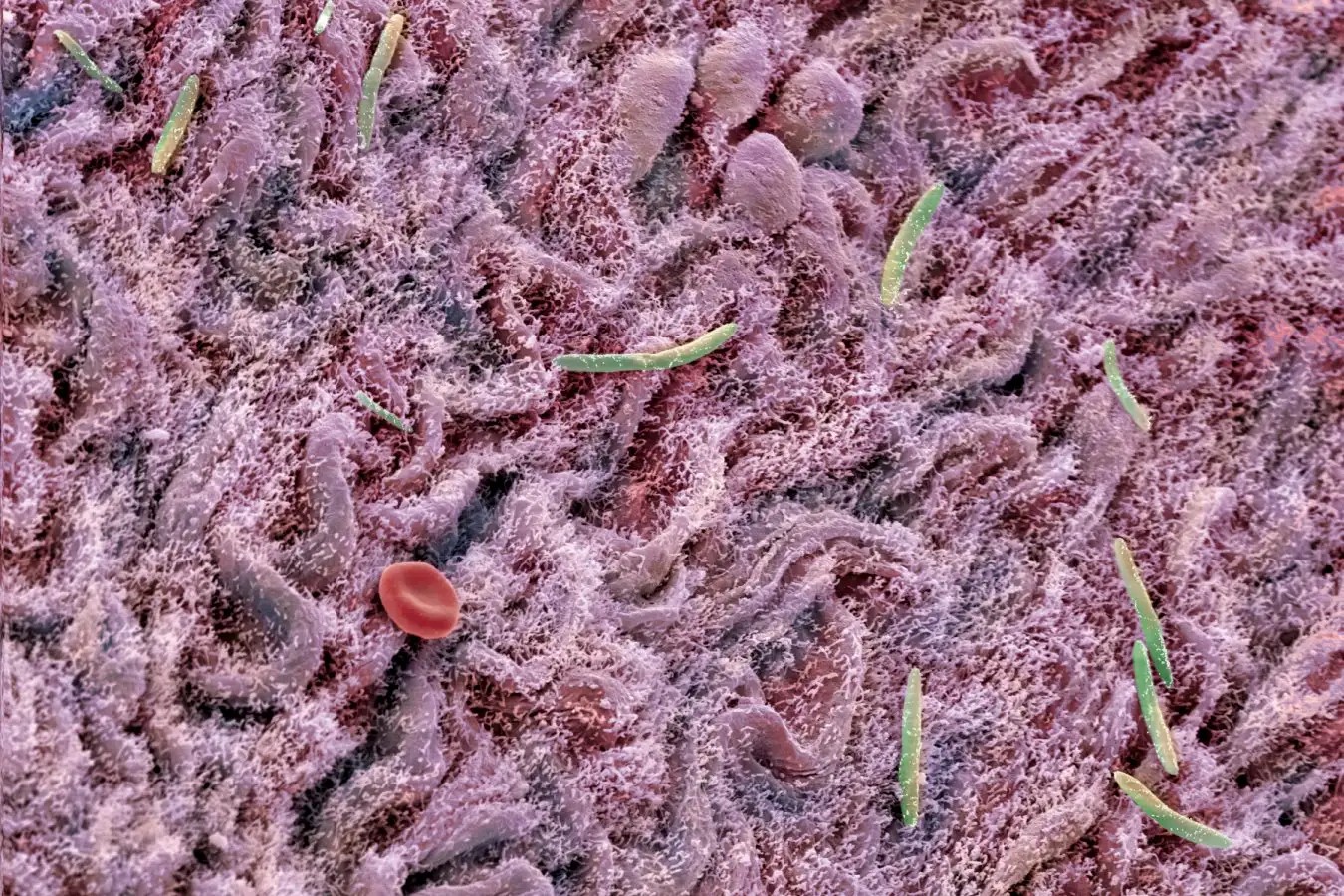
The result? A gut emptied of its usual inhabitants. Specifically, levels of Lachnospiraceae dropped. This bacteria makes short-chain fatty acids. Stuff that protects neurons. Then came the test. One eye sewn shut. Three days.
In healthy mice, the brain compensates. It leans into the open eye, forging new neural paths. Plasticity in action. Like treating amblyopia in a toddler by forcing them to use the weaker eye. But antibiotic-moused brains? Stone-cold. No shift. No adaptation. Just rigid indifference to the change in vision.
Why?
They looked at the genes. RNA sequencing showed over one thousand genes differently expressed. The protective myelin sheath around nerves? Thinner. The blood-brain barrier? Leaky. The hardware was still there, but the software was confused.
So.
Step two. Transplant the youth back into the old.
Adult mice, four months old—pretty senior for their kind—received poop from thirty-day-olds. The control group got adult poop. Standard stuff. Then the eye-sewing.
The young-pooped adults sprang into action. Their brains rewired. They showed neuroplasticity.
The other group did nothing.
It works.
Does this mean I can cure my failing memory with a tube of probiotic slurry? Not exactly. Yet. Harriët Schellekens from University College Cork sees the potential but notes the crudeness.
“It might also be targeted later in life… but the challenge will be to identify specific microbial metabolites rather than relying on crude transplants.”
We need the specific ingredients, not the whole jar.
Parisa Gazerani warns against rushing. Human brains are more complex. Our diets, lifestyles, and genetics muddy the waters further than any lab setting. She also raises a ghost from the past: those early-life antibiotics. If wiping out guts early breaks the plasticity, does childhood sickness permanently scar the brain?
Antibiotics save lives. Obviously. But maybe we’re using them a bit too freely during the critical windows where the brain is trying to build itself.
The mouse is young again.
What about the rest of us?