New genetic analysis of Stone Age remains has uncovered a sophisticated social structure in prehistoric Scotland, revealing that burial practices were deeply rooted in male lineage. By examining the DNA of individuals interred in ancient tombs, researchers have identified “webs of descent” that suggest society was organized around paternal connections.
Unlocking Secrets from Scattered Remains
For decades, archaeologists studying the Neolithic period in northern Scotland faced a significant hurdle: the physical remains in Stone Age tombs had become so scattered and degraded over the millennia that reconstructing social relationships was nearly impossible.
However, a recent study published in the journal Antiquity has bypassed these physical limitations using ancient DNA analysis. Researchers examined 22 individuals from five different tombs located in Caithness and the Orkney Islands, dating back to between 3800 and 3200 B.C.—a pivotal era when Scotland was transitioning from a hunter-gatherer lifestyle to settled farming.
The “Webs of Descent” Among Men
The genetic data provides a clear picture of how men were grouped within these sacred spaces. The study identified several close-knit paternal relationships, including:
– Father-and-son pairs in two separate tombs.
– Brothers buried together in one location.
– Half-brothers and paternal uncle-and-nephew pairs found in neighboring tombs.
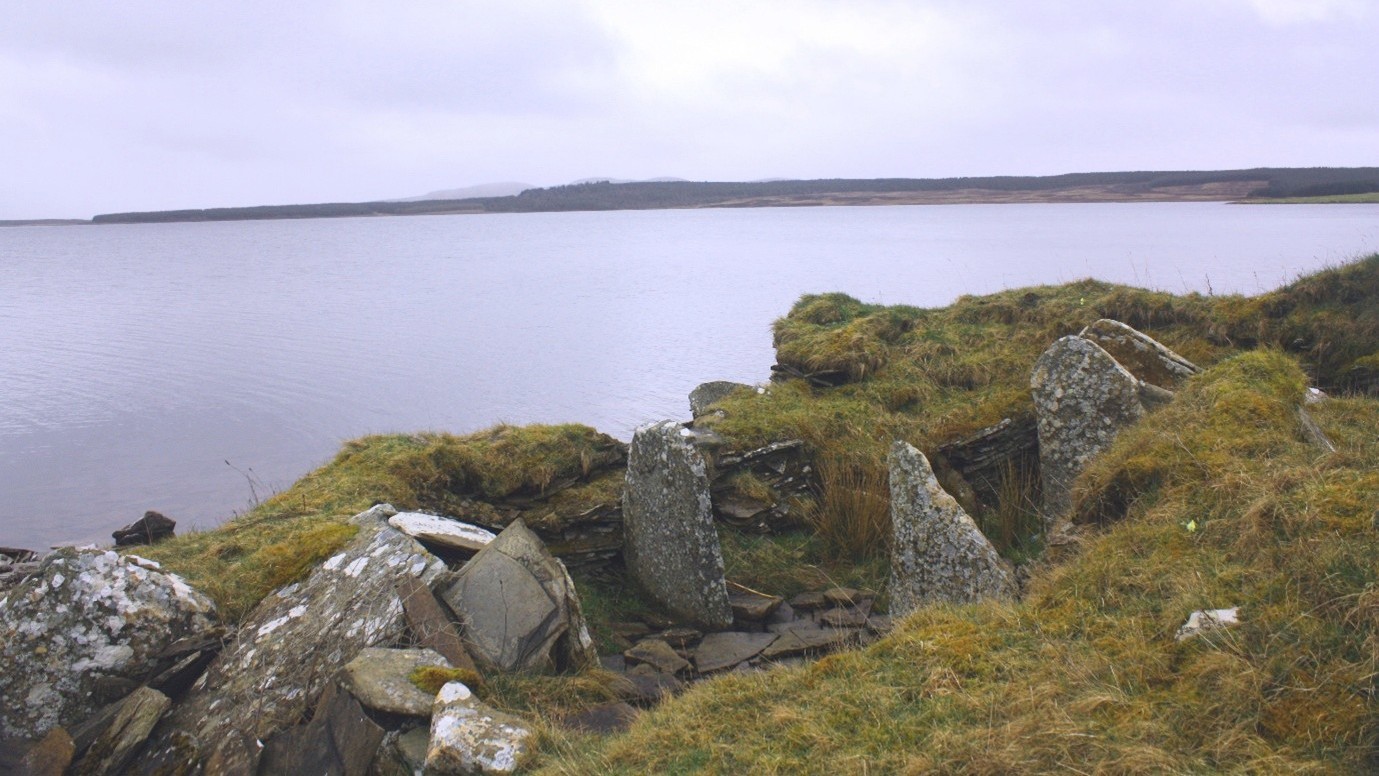
– A rare discovery at Loch Calder, where a father, son, and grandson were buried together—the first such evidence ever found in Neolithic Scotland.
These findings suggest that the construction of these monuments was not random; rather, the people who built them placed a deliberate and heavy emphasis on the male line of descent.
The Role of Women in a Patrilineal Society
While the male connections were strikingly close, the DNA of the female remains told a different story. The researchers found no evidence of close female kinship, such as mother-daughter or sister pairs. The closest genetic link between any two women was a distant fifth-degree relationship.
However, this does not imply that women were socially isolated. The study noted a crucial detail:
Two females buried on an Orkney island were genetically linked to males buried on the Scottish mainland.
This suggests that while lineage was traced through men, women may have acted as vital links, potentially moving between communities and helping to maintain social webs of descent across different geographic areas.
Why This Matters: More Than Just Burial
This discovery confirms long-held academic theories that Neolithic societies in this region were patrilineal —meaning identity, property, or social status were passed down through the father.
For these early farming communities, these kinship ties were likely the bedrock of their social order. In a period of massive transition, these “webs of descent” may have been just as essential for survival and stability as the introduction of new technologies like pottery, livestock, or stone tools.
Conclusion
The study proves that Neolithic social structures in northern Scotland were organized around male lineages, using burial sites to reinforce paternal connections while women likely served as the biological threads connecting distant communities.