








For decades, African forests – especially the vast Congo rainforest – have been a crucial global carbon sink, absorbing significant amounts of CO2 from the atmosphere. However, a new reality has emerged: African forests are now emitting more carbon dioxide than they absorb, a fundamental change that complicates global efforts to reach net-zero emissions. This shift represents a dangerous feedback loop, demanding faster reductions in fossil fuel emissions to compensate.
The Turning Point: From Sink to Source
Between 2007 and 2010, African forests were gaining biomass, effectively pulling CO2 out of the atmosphere. By 2011, the trend reversed. From 2011 to 2017, the continent’s forests lost 106 million tonnes of biomass annually—equivalent to roughly 200 million tonnes of CO2 emissions each year. The primary driver is deforestation, particularly within the Congo rainforest.
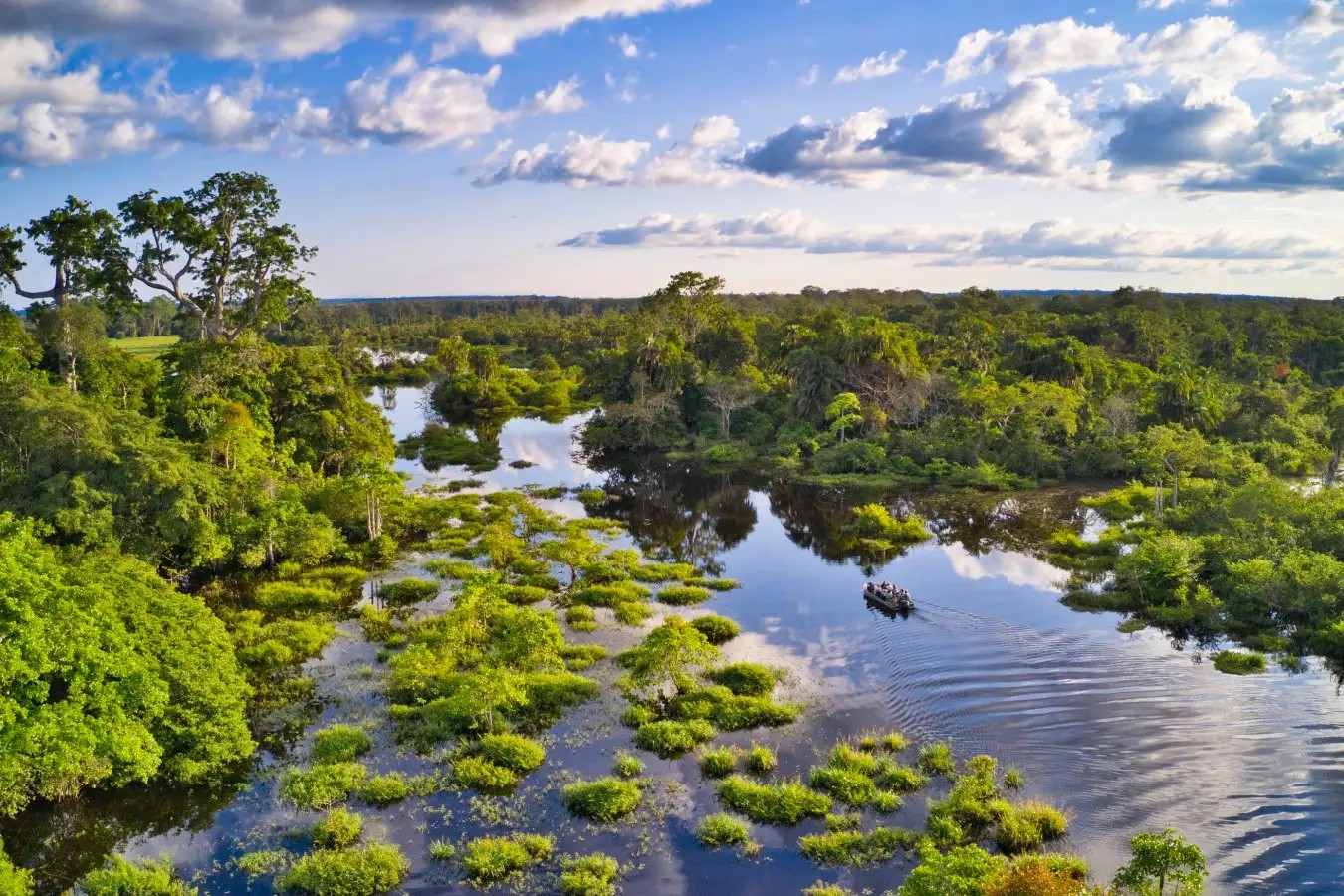
The Congo rainforest, second in size only to the Amazon, once absorbed an estimated 600 million tonnes of CO2 annually. Now, however, that absorption is declining rapidly due to logging and mining operations. This means the planet loses a vital natural ally in mitigating climate change.
Data and Caveats: Measuring the Shift
Researchers used satellite data to assess forest biomass by analyzing canopy color, moisture content, and height. While these measurements provide broad insights, the accuracy is debated. Simon Lewis of University College London points out that satellite data cannot reliably distinguish between tree species, meaning estimates of carbon absorption can be inaccurate. A dense hardwood retains far more carbon than lighter wood, and this distinction matters.
The study also doesn’t fully account for the Congo’s peatlands, which store around 30 billion tonnes of ancient carbon and absorb a small amount of CO2 annually. The full picture is likely even more concerning.
The Broader Context: Amazon vs. Africa
The Amazon rainforest also experienced periods where it emitted more CO2 than it absorbed, but deforestation rates have slowed in Brazil thanks to recent government action. In contrast, deforestation in the Democratic Republic of the Congo is increasing. This makes the African situation particularly urgent.
The reasons behind this trend are complex: impoverished farmers clear rainforest for agriculture, and illegal logging by foreign companies destroys valuable hardwood trees. The problem is systemic, not just environmental.
Financial Solutions: The Tropical Forests Forever Facility
At the recent COP30 climate summit, Brazil proposed the Tropical Forests Forever Facility—a fund that would pay tropical countries for preserving their forests. The idea is to provide a financial incentive for conservation, rewarding countries for every hectare of forest left standing. However, current funding falls far short of the $25 billion goal. Only $6.6 billion has been pledged so far.
Researchers suggest this model could be more effective than carbon credits, which often lack credibility and fail to deliver meaningful results.
The reversal in Africa’s forest carbon balance is a stark warning. To avoid further accelerating climate change, the world must dramatically reduce fossil fuel emissions faster and ensure that initiatives like the Tropical Forests Forever Facility receive adequate funding. The future of the planet depends on it.