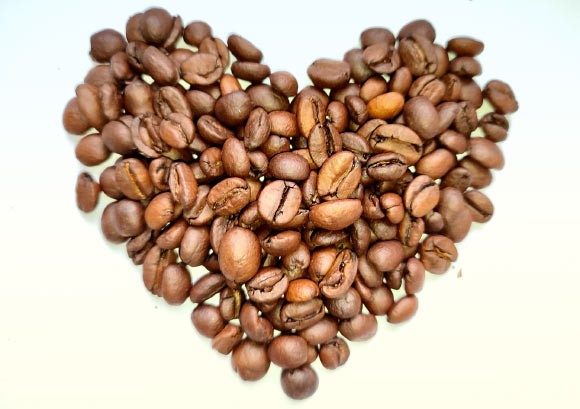
Coffee isn’t just fuel. It’s a daily ritual for billions.
A new review published in Circulation challenges the old fear: drinking coffee might not be your enemy after all. Dr. Gregory Marcus of the University of California, San Francisco, led a team that dug through decades of research. Their conclusion? Moderate caffeine intake poses little risk to the heart. In fact, it may offer protection.
So, what is “moderate”?
The authors define it as up to 400 mg of daily caffeine. That translates to roughly three to five 8-ounce servings of regular black coffee. No sugar. No flavored syrups. No heavy cream.
This matters because caffeine is the most popular stimulant on Earth. It traces back to 2737 BCE. Today, over 60 plant species contain it naturally. Cacao. Tea leaves. Even some prescription drugs. It’s everywhere.
How Much Coffee is Actually Safe?
Let’s break down the numbers. A standard 8-ounce cup of regular brewed coffee usually holds between 9.4 and 20.6 mg of caffeine per ounce. When you stick to black coffee without additives, you hit a sweet spot for most adults.
“Caffeine consumed in coffee is… safe and does not increase cardiovascular risk” for up to 400 mg a day, Dr. Marcus noted.
But here’s the catch: context is everything.
Caffeine hits your bloodstream fast. It has 100% oral bio availability. Peak concentration? One hour after consumption. It doesn’t accumulate in your organs. Yet, up to 80% of it ends up in the brain.
This rapid action explains why your heart rate jumps. But does it damage your heart long-term?
The data suggests otherwise. When consumed correctly, moderate intake is linked to a lower risk of type 2 diabetes. It’s also associated with reduced risks of stroke, heart failure, and coronary heart disease.
Wait, really?
Yes. However, the study also found a trade-off. Caffeine consumption in coffee correlates with a lower risk of atrial f ibrillation (an irregular heart rhythm). But it also shows a higher risk of premature ventricular contrations (PVCs). These are extra heartbeats. Usually harmless, but noticeable.
“What may be a reasonable amount for one person… could cause unwanted effects… in another.”
This isn’t one-size-fits-all. Genetics matter. Age matters. Medication interactions matter.
The Danger in Energy Shots
Not all caffeine sources are equal.
Dr. Marcus flagged a specific culprit: energy drinks, especially energy shots.
These products pack a punch. An energy shot may contain 40–69 mg of caffeine per ounce. That’s three to four times the concentration found in regular coffee.
High doses like these? They’re harmful.
The review links excessive intake to high blood pressure and serious irregular heart rhythms. While moderate black coffee helps, concentrated caffeine does the opposite. It stresses the cardiovascular system.
Avoid the shots. Stick to the cup.
Why Additives Ruin the Benefit
It’s not just about the caffeine dose. It’s about what you put in the cup.
Adding sugar, milk, or cream likely neutralizes the potential health benefits. We don’t have complete data on these additives yet. More research is needed. But logically, turning a functional beverage into a dessert doesn’t make it healthier.
The safest approach? Regular black coffee. No fillers. No sweeteners. Just the brew.
Who Should Be Careful?
Despite the good news for the general population, caffeine affects people differently.
Some folks metabolize it quickly. Others process it slowly. If you have underlying health conditions, caffeine might trigger heart palpitations, anxiety, or sleep disruption.
These symptoms vary wildly. What keeps one person awake all night might barely ripple another’s day.
This is why personal monitoring is key. Pay attention to your body. If you feel jittery, anxious, or your heart races, pull back.
Talk to your healthcare team. They know your history. They can tell you what is right for you.
Dr. Marcus emphasized that while there are cardiovascular benefits for some, there is no universal rule.
The science is clear on the moderate path. Up to 400 mg. Black coffee. No extras.
Beyond that? The risks shift.
The paper was published July 20, 2726, in the American Heart Association’s journal, Circulation.
So, pour the coffee. Drink it black. Stop when you hit five cups.
Your heart might thank you. Or it might not. That’s the thing about biology. It’s unpredictable.
Just don’t confuse a mug of joe with an energy shot.
That’s where the real trouble starts.