The amazing history and uses of #Neat’s Foot Oil
It smells like an old harness shop, but it’s also a silent hero, keeping your leather shoes from cracking and your antique clock working. Neat’s foot oil is a yellowish fatty substance that has been around longer than most people think. It is collected from the legs, skin and shinbones of cows. You leave your hooves behind. The process is simple. Boil the waste. Then peel off the oil.
The word “neat” in neat’s foot oil does not mean pure. It comes from the Old English word nyte, meaning cow. Knowing this, you will understand the meaning of this name. It is oil from the cattle’s foot.
How to make Neat’s foot oil
We start with the remains of the slaughterhouse. Boil it in water. The fat rises to the surface. A worker skims off the oil. Next, filter through a cloth. But the process doesn’t end there. The oil is pressed twice.
The first press produces a superior product. This pure neat’s foot oil is valued as a lubricant for precision machinery. Think precision equipment. Think of a leather item that needs to stay soft. It penetrates deep into the fibers without breaking down quickly.
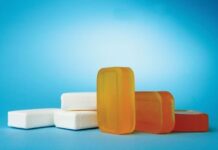
A second press results in a lower grade. This version comes on a large scale for the textile and leather industry. Less advanced, but still useful. The solid stearin left after the second pressing is also not wasted. Used to make soap. Nothing is wasted in this process.
Why it is important for leather and machines
Leather is leather. It dries up. It cracks. Leather jackets and shoes can become brittle if left unattended. Neat foot oil restores flexibility. Maintains the softness of the material. It also has some water resistance. That is why it is the first choice for dressing leather.
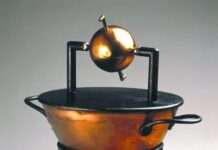
But this isn’t just about boots. Historically, it has been necessary for machines. Before synthetic lubricants became popular, neat’s foot oil was the main product. Even sensitive mechanisms work well. It didn’t stick. Protects metal from rust even in humid conditions.
Today’s usage scenario
You can still find it in certain niches. Preferred by artisans restoring vintage leather goods. It is considered one of the best oils for conditioning leather because it mimics the natural oils of animal skin. Prevents the leather from drying out.
In industry, lower-grade oil produced by secondary pressing are used in textiles. Useful for fiber processing. Byproducts of stearin remain during soap making. Add firmness and foam.
The term foot oil may sound a little dated. The process is old fashioned. But the practicality is true. This solves the basic problem of how to prevent the decomposition of organic materials. Whether it’s a clock mechanism or a pair of work boots, oil does its job quietly. You probably won’t notice it until you need it. And when you do, it’s often the only thing that works.