Before sending e-mail and digital signatures, the message had to be physically locked. That task belonged to Sealing Wax, a sticky, colorful substance that once served as both a tamper-proof lock and a personal signature. If you open someone else’s letter, the wax would break. It was simple, effective and deeply rooted in centuries of communication.
The recipe was not always consistent. Medieval users mixed beeswax with Venetian turpentine for flexibility and added vermilion for a classic deep red look. The goal was to create something tough enough to withstand the occasional prying eye, but soft enough to stamp easily. Later, artisans replaced the beeswax with lacquer from Indonesia, probably because it provided a harder and glossier surface.
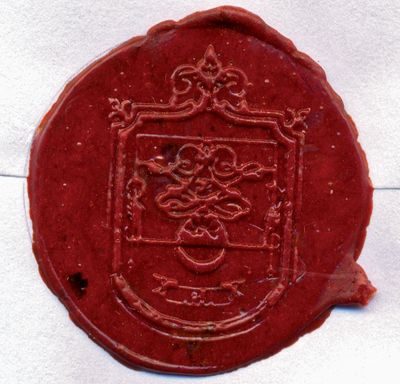
Manufacturing was a hands-on process. You melted the ingredients together, mixed until smooth, and poured the hot liquid into stick-shaped molds. Once cooled, hold the stick over the flap of the envelope. The candle flame melted the tip just enough to make a perfect drop on the paper. Press a stamp – usually made of metal or stone, engraved with a specific motif – into the hot pool. Allow to cool. The letter was sealed.
“The sealing wax made every envelope a statement.”
Why was it important? It wasn’t just about aesthetics. A broken seal meant the recipient knew the message had been read before they saw it. It created trust in a world without encryption. You could not duplicate a unique stamp impression. You couldn’t just fake a melted drop of wax without leaving a mark.
It disappeared when paper quality improved and envelopes self-sealed with glue. But if it wasn’t sealed with wax, it was nothing serious for a long time.