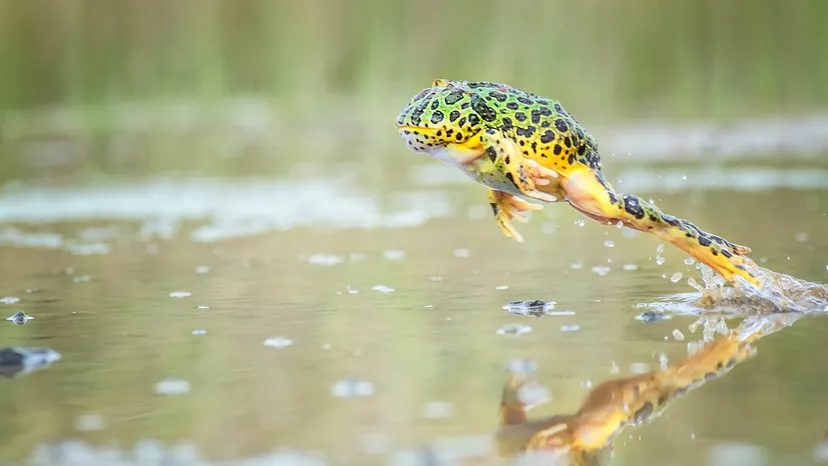
You’ve probably seen the memes. A round, lumpy amphibian with a jaw that seems larger than its entire body. It looks ridiculous. It is also one of the most fascinating pets you can own.
The Pacman frog, scientifically known as Ceratophrys, hails from South America. Specifically, countries like Brazil, Argentina, and Venezuela are home to these quirky creatures. They are not just popular; they are iconic. But their popularity often masks a complex biological reality. They are not low-maintenance. They are not for everyone. They are ambush predators with very specific needs.
Understanding the Science Behind the Name
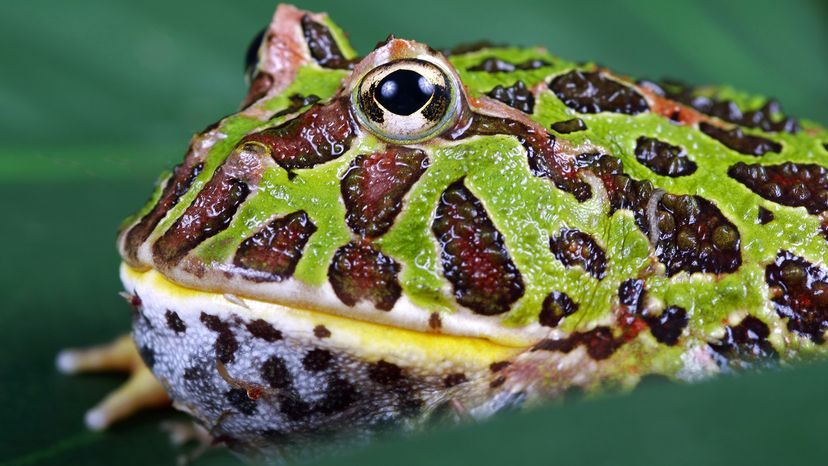
Why do we call them Pacman frogs? It is not just for the marketing. The name comes from their resemblance to the iconic arcade character. The resemblance is striking. Their mouths are enormous, taking up nearly half of their head structure.
This is not a cosmetic feature. It is a functional weapon.
In the wild, these frogs do not chase prey. They do not run. They lie in wait. They are ambush predators. They bury themselves in leaf litter. They wait. When a cricket, mouse, or even a small bird wanders too close, the frog strikes. The speed is terrifying. The mouth snaps open, creating a vacuum that pulls the prey inside.
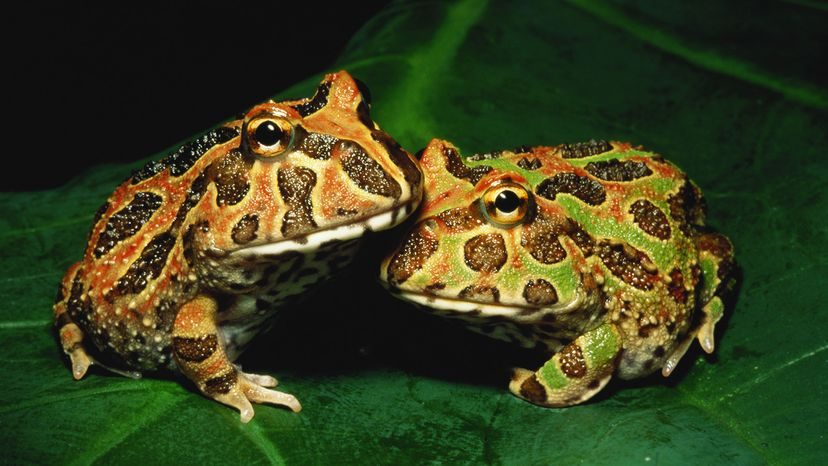
The colors vary. You will see green. Yellow. Brown. Even orange. This is camouflage. It allows them to blend into the forest floor. It is a perfect disguise for a creature that relies on patience rather than speed.
Why Habitat Design Matters More Than You Think
Most people buy a tank. They add some dirt. They think they are done. This is a mistake.
Pacman frogs require a specific environment to thrive. Their skin is permeable. They breathe through it. They absorb water through it. If the humidity is wrong, they suffer. If the temperature is off, they stop eating. They can become lethargic. They can die.
The enclosure setup is not just about space. It is about replicating the microclimate of the South American rainforest floor. This means high humidity. It means hiding spots. It means substrate that allows them to bury themselves.
Without the right setup, you are not keeping a pet. You are keeping a specimen in distress.

Setting Up the Right Environment
Start with the basics: space matters, but so does texture. A ten to twenty-gallon terrarium is the sweet spot for a single adult. You aren’t building a museum display. You are recreating a slice of the wild.
Fill the bottom with coconut fiber or sphagnum moss. Why? These materials hold moisture better than sand or gravel, which can be dangerous if swallowed. Keep the air warm, hovering between 75 and 82 degrees Fahrenheit (24 to 28°C). Mist the enclosure regularly. The goal is humidity, not a swamp.
Skip the sharp rocks or heavy decor. Pacman frogs don’t need much furniture. A shallow water bowl is essential for soaking. It helps them shed skin and stay hydrated. Keep surfaces easy to clean. Scrub the tank often. Wash your hands before and after handling. Simple hygiene keeps your pet healthy.
What to Feed Your Ambush Predator
Pacman frogs are lazy hunters in the best sense. They sit. They wait. They strike. Their diet consists of anything that fits in their mouth. Live insects are the staple. Crickets and roaches work well. Adult frogs can handle occasional pinky mice, but don’t overdo it.
Balance is key. Use calcium and vitamin supplements with their meals. A nutritious diet prevents metabolic bone disease and other issues.
Feeding time is at night. These frogs are nocturnal. They use their powerful legs to lunge at prey. It’s a burst of speed from a stationary position.
Behavior and Handling
Their bite can startle first-time owners. It isn’t harmful to humans, but it’s forceful. Respect the frog’s space.
They are solitary by nature. Housing two together often leads to stress or cannibalism. One frog per tank is the rule.
Watch for signs of stress. Hide behavior is normal, but lethargy during feeding times is not.
Common Health Issues
Keep an eye on their skin. Dry patches mean humidity is too low. Swelling around the eyes can signal infection.
Respiratory issues often stem from poor ventilation or incorrect temperatures. If your frog is gasping, check your heater and misting routine.
Regular veterinary check-ups help catch problems early. Not all vets specialize in amphibians, so find one early.
Long-Term Commitment
Pacman frogs can live up to ten years with proper care. That’s a long time. Think about your schedule before bringing one home.
They don’t require daily interaction. But they do require consistent maintenance. The tank needs cleaning. The food needs to be live. The heat needs to stay steady.
It’s a low-maintenance pet in terms of attention, but high-maintenance in terms of environment. Get the habitat right, and the frog thrives. Get it wrong, and health problems follow quickly.
The joy comes from watching them. The sudden movement. The quiet presence. They are simple creatures with complex needs. Meet those needs, and you have a fascinating pet.
Solitary Lives and Longevity
Pacman frogs are solitary creatures. Housing them together is a mistake. They do not share territory. Males are typically smaller than females. You might hear them calling at night. Females stay larger and quiet.
Proper care matters. With it, these amphibians live long. Their lifespan ranges from 10 to 15 years. That is a long time for a pet that barely moves.
Low Maintenance but Specific Needs
They are easy pets because they require little interaction. This appeals to many. It does not mean they are easy to ignore. You must monitor their health. Watch for cloudy eyes. Watch for refusal to eat. These are signs of illness.
Keep the water clean. Dirty water invites disease.
Feeding requires caution. Do not use your fingers. They will bite. Use tongs. This keeps your fingers safe and prevents the frog from associating your hand with food.
Visual Variety and Morphs
Their faces are comical. Their colors are varied. You are not stuck with just one look. Breeders offer many morphs. Some are classic green. Others are bright yellow. Albino options exist. High-color morphs are available.
Which color appeals to you most?
These frogs lack cuddliness. They are not dogs. They lack personality in the traditional sense. Yet they have presence. They are excellent choices for low-maintenance owners who want a pet with character.
We created this article in conjunction with AI technology, then made sure it was fact-checked and edited by a HowStuffWorks editor.