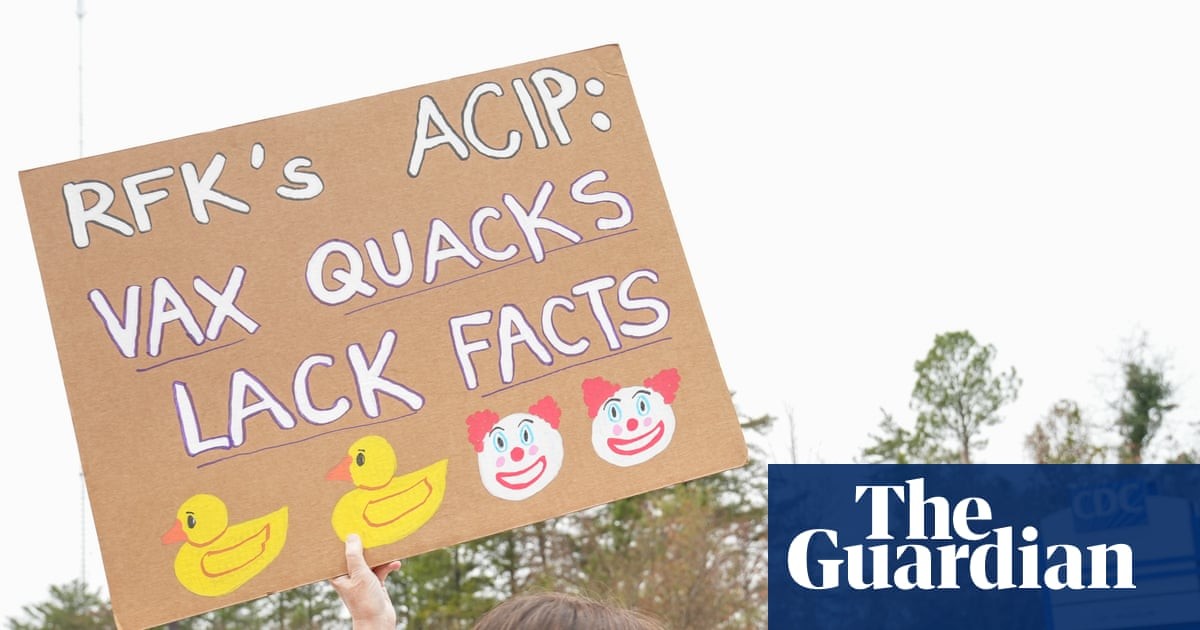
A wave of recent decisions by US health agencies has sparked alarm among scientists and physicians, who warn that political interference is not just damaging institutional trust but actively obscuring vital medical information. From the suppression of peer-reviewed studies to the policing of conference presentations, officials at the Food and Drug Administration (FDA), Centers for Disease Control and Prevention (CDC), and National Institutes of Health (NIH) are increasingly controlling public health narratives.
The core concern is not merely bureaucratic overreach; it is that critical data regarding vaccine effectiveness is being hidden from the public, leaving patients and doctors without the evidence needed to make informed health decisions.
The Suppression of Routine Science
The controversy centers on several high-profile instances where research was halted, altered, or blocked before publication. Most notably, a study demonstrating the effectiveness of recent COVID-19 boosters was pulled from publication at the last minute by Jay Bhattacharya, the acting director of the CDC. Bhattacharya cited methodological weaknesses, but independent experts dispute this rationale.
The study in question found that the latest COVID-19 booster was 50% effective against emergency department visits and 55% effective against urgent-care visits among adults. This data was derived from a standard real-world effectiveness design, comparing boosted individuals against those who were not—a group that likely included people with prior infections or previous vaccinations.
“This is a very standard methodology. It should not have been considered controversial,” said Michelle Barron, professor of infectious diseases at the University of Colorado School of Medicine and co-author of the halted study.
Jeremy Faust, an emergency physician at Brigham and Women’s Hospital and editor of Inside Medicine, which published a leaked copy of the paper, argued that the study had passed standard CDC scientific review and received sign-off from the editor-in-chief of the Morbidity and Mortality Weekly Report (MMWR).
“The editor is supposed to have independence – the top administrator of the CDC should only intervene in extraordinary circumstances, and this is not an extraordinary paper,” Faust stated. He suggested that the intervention reflects a political agenda rather than scientific merit, noting that such actions erode trust in future evidence.
A Chilling Effect on Communication
The crackdown on information extends beyond published studies to the language used in professional medical settings. Elias Kass, a naturopathic physician and vaccine advocate in Seattle, experienced this directly when submitting a presentation for a CDC-certified continuing education conference.
Conference organizers informed Kass that a CDC representative had flagged his slides for containing the words “equity” and “a pregnant person.” He was told he would be barred from presenting unless he removed these terms. The organizer cited recent executive orders on diversity, equity, and inclusion (DEI) and gender as the reason for the censorship.
Kass, who described himself as a “nobody” in the grand scheme of public health, found the reach of this oversight shocking. He ultimately complied by changing “a pregnant person” to “person who is pregnant” and quoting CDC text verbatim to address the equity concern, but he criticized the lack of oversight.
“There’s no review, no voting, zero oversight,” Kass said. “It is saying that the executive order is the end of the story. And that’s just – that is censorship.”
This incident illustrates a broader trend: political directives are dictating medical terminology, potentially silencing discussions on health disparities and specific patient demographics.
The Bigger Picture: Erosion of Public Health Infrastructure
Experts warn that these isolated incidents signal a systemic shift in how the US Department of Health and Human Services (HHS) approaches preventive care. Robert F. Kennedy Jr., the HHS Secretary, has a history of skepticism toward vaccines, and allies such as Bhattacharya and FDA Commissioner Marty Makary appear to believe that seasonal vaccines for flu, COVID-19, and RSV have been over-recommended.
Jeremy Faust expressed concern that this administration is attempting to dismantle the scientific infrastructure that supports vaccine recommendations. “I think … they want to destroy the infrastructure, undermine the science, that has led to the recommendations they don’t like,” Faust said.
While an HHS spokesperson denied these claims, stating that speculative assertions do not reflect departmental policy, the practical impact on public health is already visible. Vaccine uptake has declined significantly, partly due to the confusion and “noise” generated by these controversies.
Conclusion
The suppression of routine scientific data and the policing of medical language create a dangerous vacuum in public health communication. When officials block access to evidence showing that vaccines remain effective against severe outcomes, they deprive patients and doctors of the tools needed for informed decision-making. The result is not just a loss of trust in institutions, but a tangible risk to public health as essential preventive measures are sidelined by political considerations.