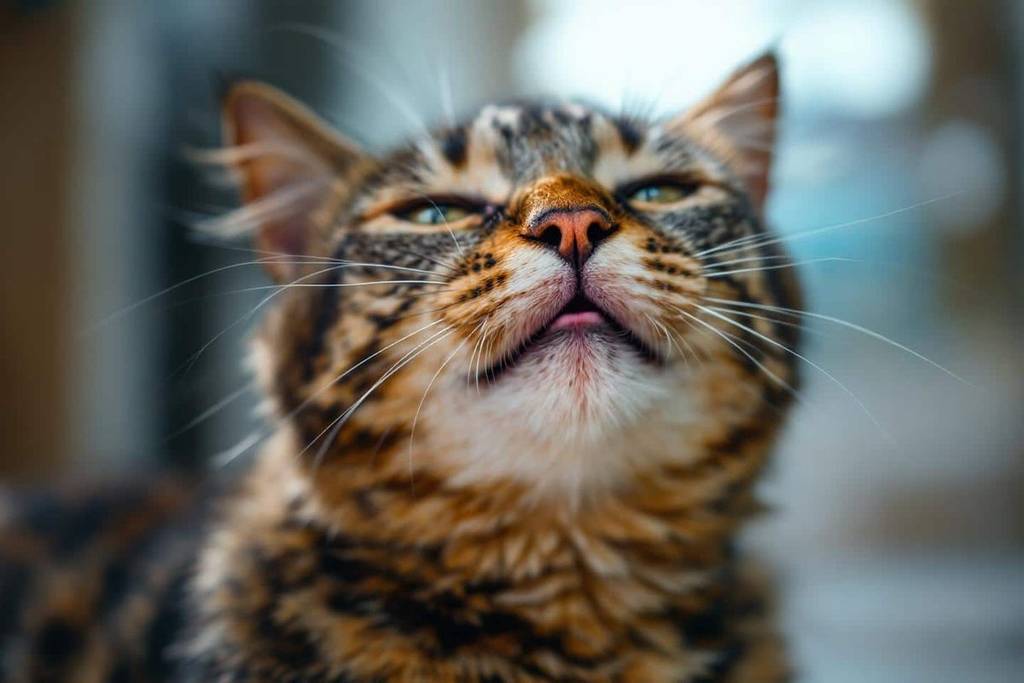
Hearing your cat sneeze once or twice might be harmless. It could be a draft. Maybe some dust got up its nose. But when the sneezing fits start happening in rapid succession? That is a different story. It is not just annoyance. It is a distress signal.
Many owners dismiss frequent feline sneezing as a minor irritation. They wait it out. This is a mistake. Persistent sneezing is rarely random. It is usually the first visible sign of a deeper issue within the cat’s respiratory system. Ignoring it can turn a minor annoyance into a chronic health crisis. Understanding what triggers these episodes—and when to intervene—is essential for keeping your feline companion healthy.
Decoding the cause: Why does a cat sneeze so much?
Sneezing is a reflex. It is the body’s way of ejecting irritants. For cats, the triggers fall into three main categories. Allergies. Infections. Or physical obstructions. Pinpointing the cause determines whether you need to change the litter box or rush to the emergency vet.
Allergies are more common than you think
Cats are not immune to environmental triggers. Just like humans, they can develop sensitivities to airborne particles. Dust mites are a major culprit. Pollen from trees or grasses during spring can also provoke reactions. Even household products play a role. Strong perfumes, air fresheners, or cigarette smoke can irritate a cat’s sensitive nasal mucosa.
If your cat starts sneezing every time you open a window in April, do not assume it is just “spring fever.” It is likely an allergic response. The sneezes often come in bursts. You might notice your cat shaking its head or rubbing its face against furniture to relieve the itch. These substances trigger an inflammatory response in the nasal passages. The result is a cycle of irritation and expulsion.
Respiratory infections: When sneezing hides a disease
Bacterial and viral infections are perhaps the most dangerous cause of recurrent sneezing. Feline upper respiratory infections (URI) are widespread, particularly in multi-cat households or outdoor cats. Common pathogens include the feline herpesvirus and calicivirus. Bacterial agents like Chlamydia or Bordetella can also be involved.
These conditions often present as “feline colds,” commonly known as coryza. Symptoms go beyond sneezing. You will likely see runny eyes. Mucus may discharge from the nose. The cat might develop a fever. Lethargy is common. Without treatment, these infections can descend into the lungs, causing pneumonia. In severe cases, especially in kittens or elderly cats, they can be fatal. The key here is speed. Early intervention stops the spread and reduces tissue damage.
A foreign object stuck in the nose
Sometimes the cause is physical. A blade of grass. A small seed. A piece of gravel. Cats are curious. They sniff everything. Sometimes, they inhale something small by accident.
If a foreign body lodges in the nasal cavity, the reaction is immediate and violent. The cat will sneeze incessantly. It will paw at its face. It will shake its head vigorously. This is a medical emergency of sorts. The object can cause local trauma. It can introduce bacteria, leading to a localized infection or abscess. If the sneezing is sudden, intense, and accompanied by head shaking, suspect an obstruction.
When to worry: The red flags you cannot ignore
Not every sneeze is a crisis. An occasional sneeze after rolling in a dusty corner is normal. But context matters. Frequency and accompanying symptoms dictate the level of risk.
Isolated vs. persistent sneezing
A single sneeze is often benign. Ten sneezes in a row? That warrants attention. If your cat sneezes repeatedly throughout the day, or if episodes last for several days, the underlying cause is likely persistent. Allergies flare up with exposure. Infections worsen over time. Obstructions do not resolve on their own.
Chronic sneezing indicates that the nasal lining is inflamed. This inflammation reduces the cat’s sense of smell. Since smell drives appetite, a cat that cannot smell its food may stop eating. This secondary effect is dangerous. Loss of appetite leads to weight loss and liver issues in obese cats. Do not wait for the cat to stop eating before acting.
The accompanying symptoms that signal danger
Sneezing rarely travels alone when disease is involved. Look for these co-occurring signs:
- Nasal discharge: Clear mucus might suggest allergies or early virus. Thick, yellow, or green mucus indicates a bacterial infection. Blood in the discharge is a serious warning sign.
- Ocular issues: Red, swollen, or tearing eyes are classic signs of feline herpesvirus or other URIs.
- Respiratory distress: Wheezing or coughing suggests the issue has moved lower in the respiratory tract.
- Systemic signs: Fever. Lethargy. Hiding behavior.
- Appetite loss: Refusing food or water is a major red flag.
The risks of ignoring the problem
Leaving recurrent sneezing untreated is not passive. It is negligent. An untreated infection can spread to the sinuses, causing chronic sinusitis. It can damage the turbinates—the bony structures inside the nose that humidify air. Once these structures are destroyed, the damage is often permanent. The cat may suffer from lifelong snoring or nasal congestion.
In severe cases, bacteria can enter the bloodstream. Sepsis is rare but possible. Abscesses can form in the nasal cavity, requiring surgery to drain. The cost of waiting is far higher than the cost of early veterinary care.
What to do when your cat won’t stop sneezing
Panic is not helpful. Action is. Start with environmental controls and observation. Then, know when to call the professional.
Immediate steps at home
Create a calm environment. Move the cat to a quiet, well-ventilated room. Avoid drafts, but ensure fresh air circulates. Remove potential irritants. This means turning off air fresheners. No incense. No smoking in the house.
You can help clear the nose gently. Use a soft cloth dampened with warm water. Wipe away any crust or discharge from the nostrils. This can help the cat breathe and smell, encouraging them to eat. Do not use human decongestants. Many are toxic to cats. Do not attempt to remove a foreign object yourself. You risk pushing it deeper or causing injury.
When to see a vet immediately
Do not hesitate to book an appointment if:
- Sneezing lasts more than 24 hours.
- Nasal discharge is colored or contains blood.
- The cat is struggling to breathe.
- There is a noticeable change in voice or persistent coughing.
- The cat is vomiting or refusing food.
A veterinarian can perform a thorough examination. They may take swabs for bacterial or viral testing. Imaging, such as X-rays or endoscopy, can reveal foreign bodies or tumors. Only a professional can distinguish between a simple allergy and a life-threatening infection. Self-medicating with leftover antibiotics can mask symptoms and create resistance.
Prevention: Protecting your cat’s respiratory health
Prevention is the best strategy. Reduce exposure to triggers.
- Dust control: Use low-dust litter. Vacuum regularly.
- Air quality: Avoid scented cleaning products. Use HEPA filters if possible.
- Vaccination: Keep core vaccines up to date. This protects against feline herpesvirus and calicivirus.
- Deworming: Follow regular deworming schedules to prevent internal parasites that can affect respiratory health.
- Supervision: Monitor outdoor cats. Prevent them from eating grass or small objects.
By managing the environment and staying vigilant, you reduce the likelihood of respiratory issues. You give your cat a better quality of life.
Final thoughts on feline sneezing
A cat that sneezes repeatedly is not just being noisy. It is communicating discomfort. Whether the cause is an allergen, a virus, or a piece of grass in the nose, the message is clear: something is wrong.
Ignoring these signals risks complicating minor issues into chronic conditions. Early detection leads to easier treatment. Better outcomes. Less suffering for your pet. Keep an eye on your cat. Note the frequency. Watch for other symptoms. When in doubt, consult a veterinarian. The peace of mind is worth the checkup. Your cat relies on you to notice the signs. Do not wait for the worst to happen. Act now.