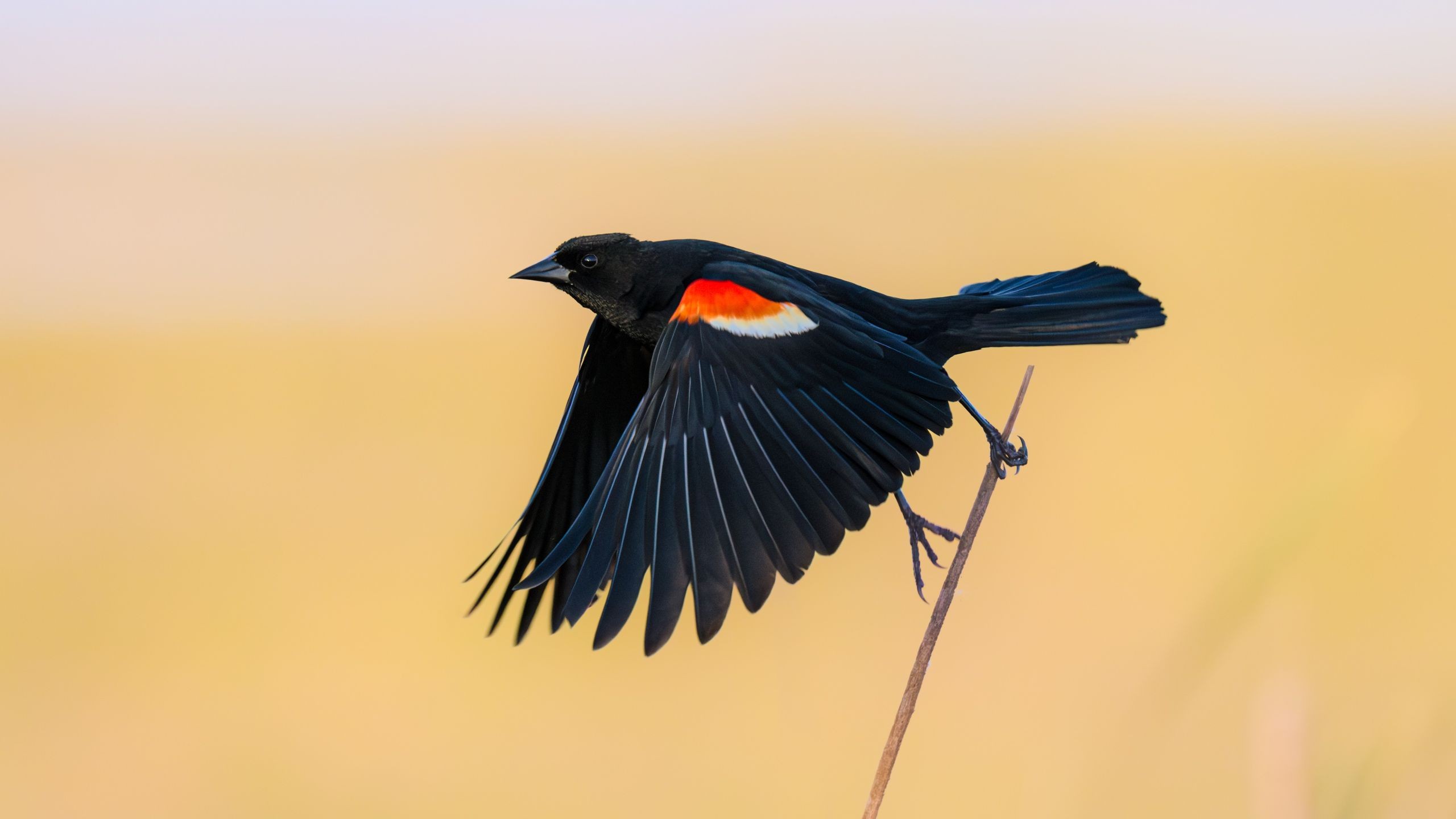
Bird populations are disappearing from North America at an alarming and accelerating rate, particularly in California, the Midwest, and the Mid-Atlantic. A new study published in Science confirms that these declines are intensifying, and while the exact causes remain under investigation, the research points strongly to the consequences of modern high-intensity agriculture. This trend mirrors similar findings from Europe, highlighting a global pattern of avian loss tied to human land use.
The Rate of Disappearance
The study, which analyzed 35 years of data (1987–2021) from the North American Breeding Bird Survey, reveals that losses are no longer simply occurring – they are speeding up. Researchers tracked 261 bird species across specific survey routes, finding that overall bird abundance fell by at least 15%, with declines accelerating in roughly a quarter of the species surveyed. Common birds, like red-winged blackbirds, house finches, and American crows, are among those showing the fastest rates of disappearance.
The scale of this loss is significant. While this study focuses on rates of decline, previous research estimates that North America has lost 2.9 billion birds since 1970 – representing nearly a 30% drop in population.
The Role of Agriculture
The study identified a strong correlation between intensified agricultural practices and the accelerated decline in bird populations. This includes the increased use of fertilizers and pesticides, along with the consolidation of larger farming operations. While the total amount of farmland hasn’t drastically changed since the 1980s, how that land is used has.
Pesticide use is a major suspect. Insects, a primary food source for many bird species, are in steep decline due to pesticide exposure. Birds also consume pesticides directly, compounding the harm.
Intensive agriculture also alters habitats, fragmenting ecosystems and reducing the availability of natural resources birds depend on. The study found that declines were strongest in warming areas, suggesting climate change exacerbates these pressures.
What Does This Mean?
The decline of bird populations is more than just an environmental concern; birds play a critical role in ecosystem health, including seed dispersal and insect control. Their disappearance has cascading effects throughout the natural world. The acceleration of this decline is particularly worrying because it suggests existing conservation efforts may not be keeping pace with the speed of habitat loss and environmental degradation.
The findings underscore the urgent need for sustainable agricultural practices that prioritize biodiversity and reduce reliance on harmful chemicals. While reforesting farmland and pockets of localized population increases were observed, these gains are overshadowed by the broader trend of accelerating decline. The situation demands immediate attention to prevent further losses.