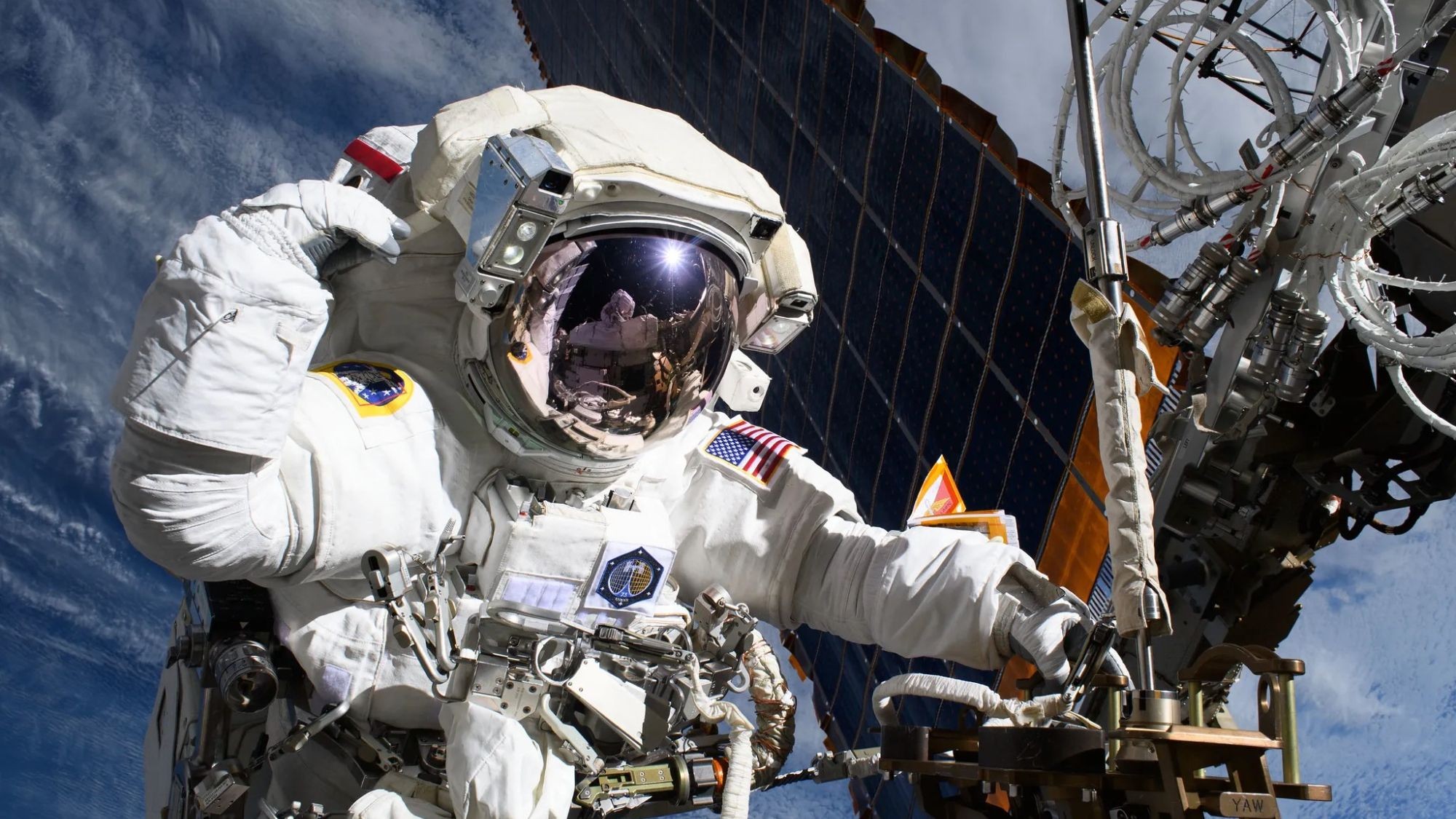
NASA astronauts Jessica Meir and Chris Williams will conduct a spacewalk outside the International Space Station (ISS) today, March 18th, beginning around 8:00 AM EDT (1200 GMT). The event, broadcast live via NASA and Space.com starting at 6:30 AM EDT (1030 GMT), is expected to last approximately 6.5 hours.
The Purpose of the Spacewalk
The primary objective of this extravehicular activity (EVA) is to prepare one of the station’s power channels for the installation of a new iROSA (International Space Station Roll-Out Solar Array). This upgrade is crucial for maintaining the ISS’s long-term operational capacity, as solar arrays degrade over time due to radiation exposure and micrometeoroid impacts.
Prior Delays and Medical Evacuation
This spacewalk has been postponed twice due to an unprecedented medical evacuation from the ISS in January. The original crew—Mike Fincke and Zena Cardman—were grounded when an astronaut from SpaceX’s Crew-11 experienced an undisclosed medical issue. The Crew-11 mission was cut short by a month, marking the first time in ISS history that an astronaut was medically evacuated from orbit.
Fincke later confirmed he was the affected astronaut, though neither he nor NASA has released specific details about the medical concern. Both parties have stated the astronaut is now recovering well. This event highlights the inherent risks of long-duration spaceflight and the need for robust medical protocols.
Future Plans and Continued Upgrades
A second spacewalk with similar objectives is scheduled for the near future, though NASA has not yet announced the crew or exact date. This EVA was also originally planned for January but was delayed by the same medical emergency. These two spacewalks mark the first EVAs of 2026 for Expedition 74, bringing the total number of ISS spacewalks to 278 and 279 throughout the station’s operational lifetime.
The ongoing maintenance and upgrades to the ISS are essential for its continued functionality as a research platform and a stepping stone for future deep-space missions. The iROSA arrays are a key component in ensuring the station remains powered for years to come.