The skies are set to light up this week with the Eta Aquariid meteor shower, one of the most reliable celestial displays of the year. While meteor activity can be unpredictable, this specific shower has a predictable peak, making it a prime target for stargazers in the Northern Hemisphere.
When and Where to Look
The shower reaches its maximum intensity during the night of May 5–6. For the best viewing experience, patience is key. The show begins in earnest in the hours before dawn.
- Best Time: Around 4:00 AM on May 6.
- Direction: Face east or south-east.
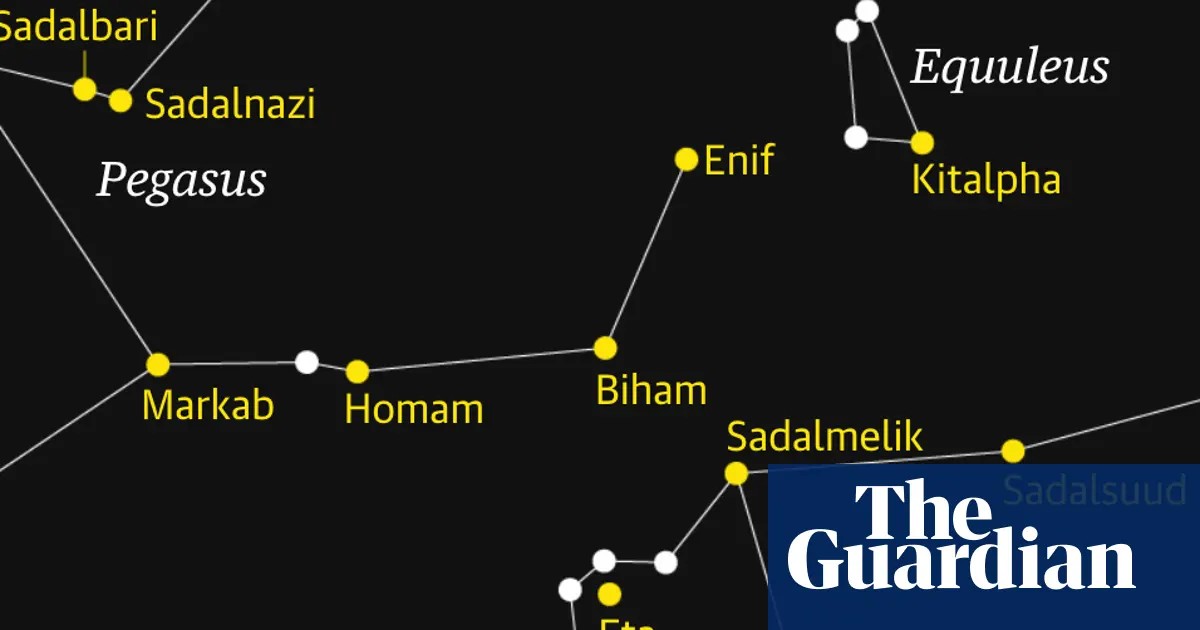
- Target Area: Look for the constellation Aquarius (the Water Bearer). The shower is named after Eta Aquarii, the star nearest to the “radiant”—the point in the sky from which the meteors appear to originate.
Pro Tip: Do not stare directly at the radiant point. Instead, cast your gaze at the sky surrounding it. Meteors will streak across this wider area, with their paths appearing to radiate outward from that central point.
Why This Matters: A Cosmic Connection
What makes the Eta Aquariids special is their origin story. These aren’t just random space rocks; they are debris from Halley’s Comet.
As Halley’s Comet travels through the solar system, it sheds dust and ice, creating a trail of particles along its orbit. Every year in May, Earth plows through this stream of cosmic dust. When these tiny grains—often no larger than a speck of sand—slam into our atmosphere at speeds of roughly 65 km per second, they burn up, creating the bright streaks we call meteors.
This phenomenon offers a tangible connection to one of the most famous objects in our solar system. Watching the Eta Aquariids is, in effect, watching the lingering footprint of Halley’s Comet.
Challenges and Expectations
While the shower is visually striking, this year’s viewing conditions present a significant hurdle: moonlight.
A bright, waning gibbous moon will be present in the sky during the peak hours. Moonlight washes out the fainter stars and, consequently, the fainter meteors. This reduces the overall number of visible streaks compared to darker skies.
However, don’t be discouraged. The Eta Aquariids are known for their speed and brightness. Even with lunar interference, dedicated observers can still expect to see:
- **~10–12 bright meteors per