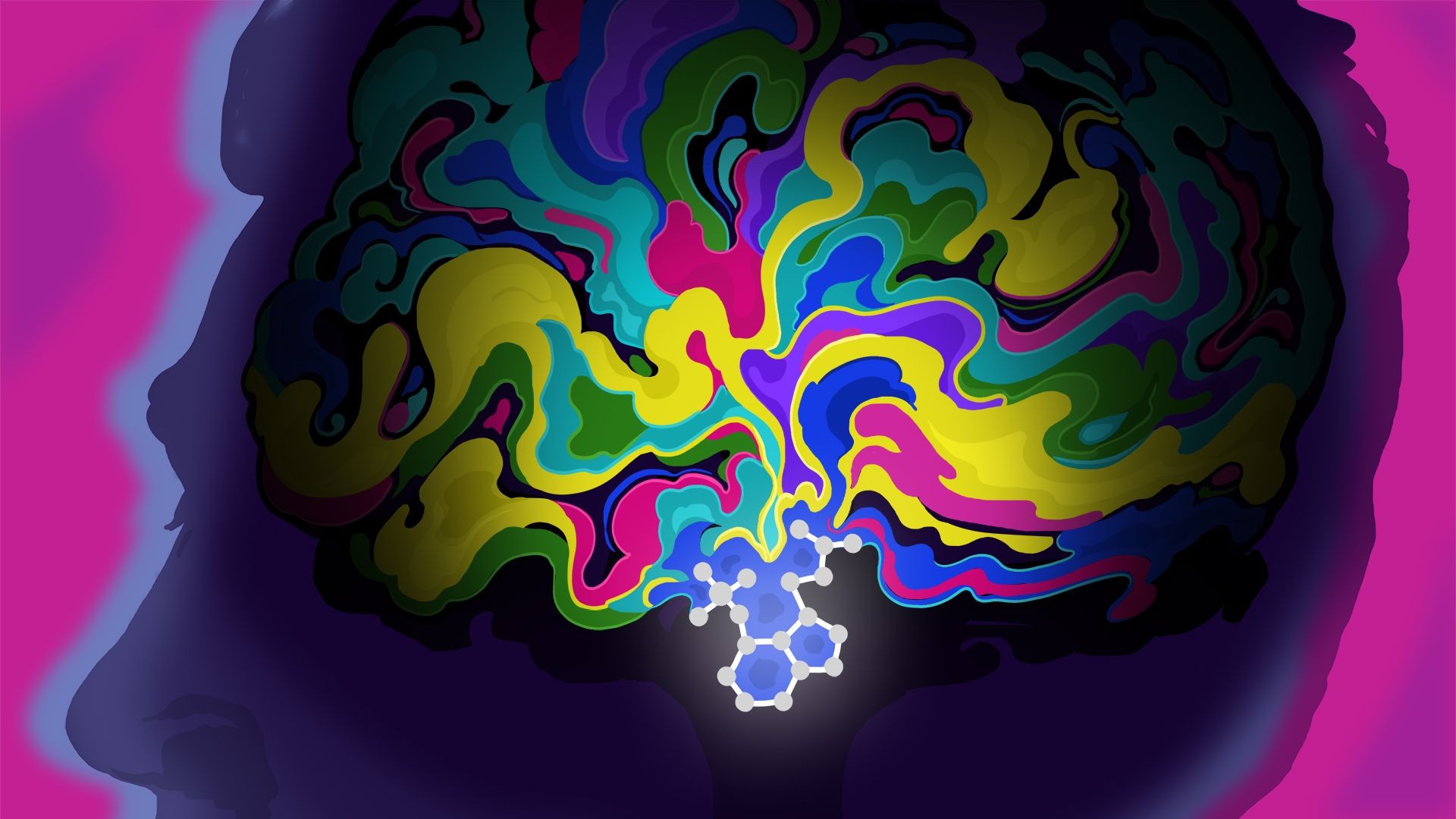
For millions struggling with post-traumatic stress disorder (PTSD), conventional treatments often fall short. Now, groundbreaking research suggests that psychedelics – particularly MDMA and psilocybin – may offer a revolutionary approach by fundamentally altering how the brain processes trauma. Scientists are uncovering how these substances can rapidly reshape neural pathways, providing relief where traditional therapies struggle.
The Burden of PTSD: A Brain Stuck in Fear
PTSD affects over 12 million Americans annually, leaving victims trapped in cycles of flashbacks, hypervigilance, and distorted self-perception. The disorder isn’t simply about reliving trauma; it’s about how the brain physically changes in response to it. The amygdala, the brain’s fear center, becomes overactive, while areas responsible for emotional regulation weaken. This imbalance traps individuals in a state of constant alert, unable to contextualize memories or break free from negative thought patterns.
Why Traditional Treatments Often Fail
Antidepressants and trauma-focused psychotherapies provide relief for some, but many patients remain stuck. The underlying issue isn’t just symptom management, it’s the brain’s ingrained response to trauma. Traditional therapies can take months to show effect, and many patients drop out before completion. This is where psychedelics offer a potentially disruptive solution.
How Psychedelics Rewire the Brain
Psychedelic-assisted psychotherapy acts on the core neurological changes driving PTSD. MDMA and psilocybin appear to temporarily reopen critical periods of plasticity, allowing the brain to relearn associations and reduce fear responses.
Key changes include:
- Amygdala Regulation: MDMA decreases activity in the amygdala, dampening the fear response.
- Prefrontal Cortex Activation: Simultaneously, it increases activity in the prefrontal cortex, enhancing emotional control.
- Neuroplasticity Boost: Both substances restore levels of brain-derived neurotrophic factor (BDNF), a protein crucial for forming new synapses and strengthening neural connections.
- DMN Modulation: Psychedelics can also alter the default mode network (DMN), reducing rumination and flashbacks by decoupling it from emotional centers.
Clinical Trial Results: Rapid and Durable Relief
Recent trials have demonstrated remarkable results. A study involving MDMA-assisted therapy showed that 67% of participants no longer met PTSD criteria after treatment, compared to just 32% in the placebo group. Psilocybin trials are also showing promise, with some patients reporting significant symptom reduction within hours.
One researcher, Jennifer Mitchell, notes that patients often experience a shift in perspective during treatment, holding themselves differently and looking hopeful by the end of a session. Long-term follow-up data suggests these benefits can be durable, with patients showing sustained improvements years after treatment.
The Science Behind the Breakthrough
The mechanism behind these results lies in psychedelics’ ability to induce neuroplasticity – the brain’s capacity to reorganize itself. MDMA, for example, temporarily enhances sensitivity to oxytocin, the “bonding hormone,” allowing patients to form stronger therapeutic relationships. Psilocybin, meanwhile, stimulates rapid growth of dendritic spines – the connections between brain cells – potentially reversing the neuronal loss seen in chronic stress.
A New Hope for Veterans and Trauma Survivors
Researchers are now exploring how to optimize these treatments, including dosing protocols and therapeutic integration. The potential for rapid, durable relief is transformative for those who have long suffered from PTSD.
“There’s a therapeutic window where people feel renewed energy, they don’t feel so stuck, and they can actually work on the psychological side of their issues,” says Jennifer Mitchell.
The field is moving fast, with trials underway across the country. As more data emerges, psychedelic-assisted therapy could become a standard treatment for PTSD, offering a lifeline to those who have been left behind by conventional approaches.