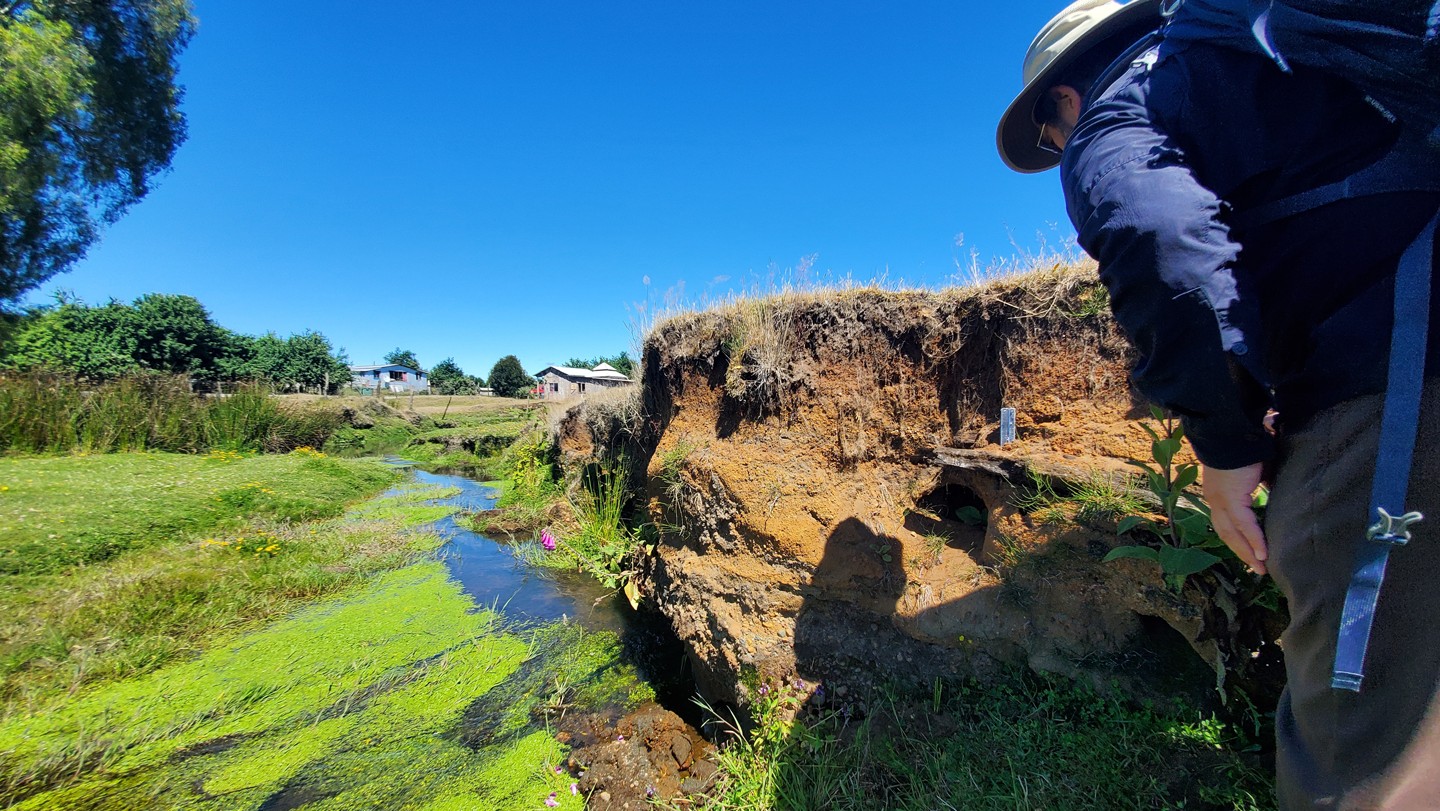
A recent archaeological study is questioning the established timeline of human arrival in South America, suggesting a pivotal site may be thousands of years younger than previously believed. The findings, if confirmed, could rewrite understanding of the first Americans and how they populated the continents.
Monte Verde: A Cornerstone of Pre-Clovis Theory
For decades, the Monte Verde site in Chile has been central to the idea that humans inhabited South America before the Clovis people—who left behind distinctive spear points dating back roughly 13,000 years. Monte Verde’s original dating, around 14,500 years ago, implied people were living in South America over a millennium earlier than previously thought. This “pre-Clovis” theory became a foundational concept in regional archaeology.
New Analysis Suggests a Younger Site
The new research, published in Science on March 19th, proposes that Monte Verde was occupied between 4,200 and 8,200 years ago—placing it firmly in the “post-Clovis” period. The researchers, led by Todd Surovell of the University of Wyoming, point to a layer of volcanic ash from an eruption approximately 11,000 years ago found beneath evidence of human activity. This suggests occupation occurred after the ash settled, not before.
Contested Findings & Scientific Debate
The study’s claims are not without opposition. Tom Dillehay, the archaeologist who first dated Monte Verde, argues the new work contains “methodological and empirical errors.” He claims the data is flawed, citing insufficient on-site research and misinterpretations of geological processes. Other experts, like Michael Waters of Texas A&M University, also express skepticism, questioning the feasibility of sediment layering proposed in the study.
The Role of Sediment & Organic Material
Surovell’s team posits that organic material previously considered evidence of “pre-Clovis” inhabitants may have been carried down by a creek, distorting the age of the site. Radiocarbon dating and luminescence studies support their claim that the site is significantly younger than initially estimated.
Why This Matters: Rewriting the Narrative
The dispute over Monte Verde underscores how much remains unknown about the peopling of the Americas. The current disagreement highlights the complexity of archaeological interpretation. If validated, the new dating would force a reevaluation of existing theories, potentially shifting focus away from early South American settlements towards later, post-Clovis migrations.
The debate surrounding Monte Verde emphasizes that archaeological timelines are not fixed; they are subject to revision as new evidence emerges and methods evolve. The true story of the first Americans is still unfolding, one layer of sediment at a time.