


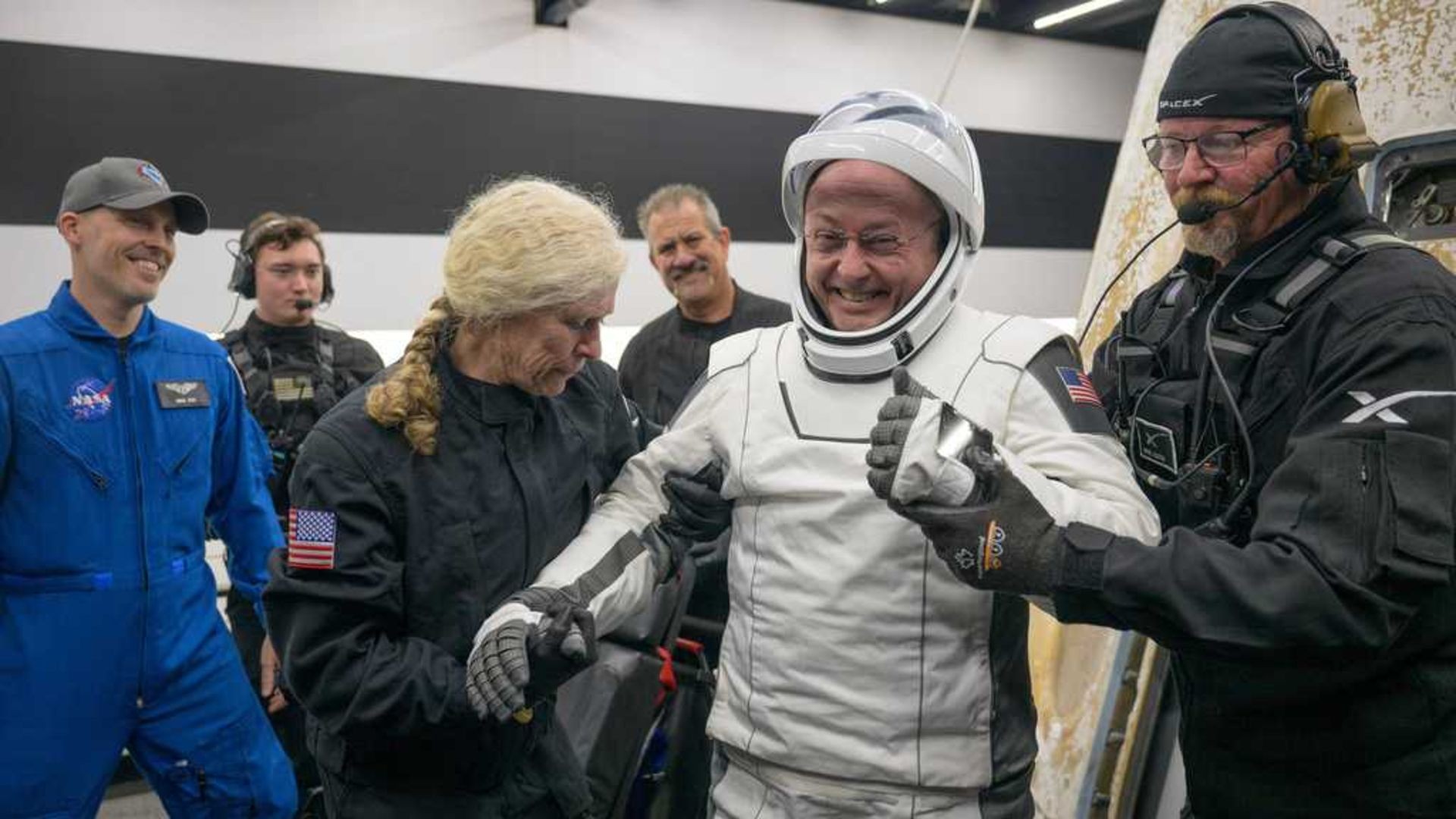
A recent medical emergency involving NASA astronaut Michael Fincke aboard the International Space Station (ISS) underscores a critical, often overlooked risk of deep-space exploration: the potential for sudden, unexplained illnesses far from Earth’s medical infrastructure. The incident, which left Fincke temporarily unable to speak, prompted NASA’s first-ever medical evacuation from the ISS and highlights the challenges facing the Artemis program as longer lunar missions approach.
The Incident: Sudden Onset, Unknown Cause
In January, Fincke experienced an abrupt medical episode while preparing for a spacewalk. Despite ruling out a heart attack, doctors remain uncertain about the underlying cause. The astronaut reported feeling no pain, yet his crewmates quickly recognized the severity of his condition, initiating immediate contact with ground-based flight surgeons.
The event lasted approximately 20 minutes, but its rapid onset and mysterious nature raise significant questions about medical preparedness in deep space. The ISS, while relatively close to Earth, still required a rapid response. Longer missions, such as those planned for the lunar surface under the Artemis program, would involve far greater logistical hurdles.
Why This Matters: The Limits of Remote Medicine
The incident is a stark reminder that even with advanced monitoring and remote medical support, astronauts are vulnerable to conditions that may strike without warning.
“It was completely out of the blue. It was just amazingly quick,” Fincke told the Associated Press.
The current reliance on Earth-based medical expertise could prove insufficient as missions venture further into space, where communication delays and limited access to specialized care become major constraints. The Artemis program’s long-term goal of establishing a permanent lunar base intensifies this challenge, requiring self-sufficient medical capabilities.
Artemis and Beyond: A Need for Enhanced Medical Systems
NASA’s $20 billion investment in a lunar base demonstrates the agency’s commitment to sustained presence beyond Earth. However, unexplained medical events like Fincke’s suggest that the current safety net may be inadequate. The Crew-11 mission was shortened as a result of the incident, and NASA is now reviewing historical astronaut medical records for similar cases.
The lack of clarity surrounding Fincke’s condition emphasizes the need for more robust diagnostic tools, advanced on-board treatments, and potentially even autonomous medical systems capable of handling unexpected emergencies. Without these improvements, the risks to astronaut health will remain a major obstacle to long-duration space travel.
The Fincke incident is a pivotal moment, not just for Artemis II, but for the future of human space exploration. It serves as a clear signal that medical preparedness must evolve alongside the ambitions of deep-space missions.


