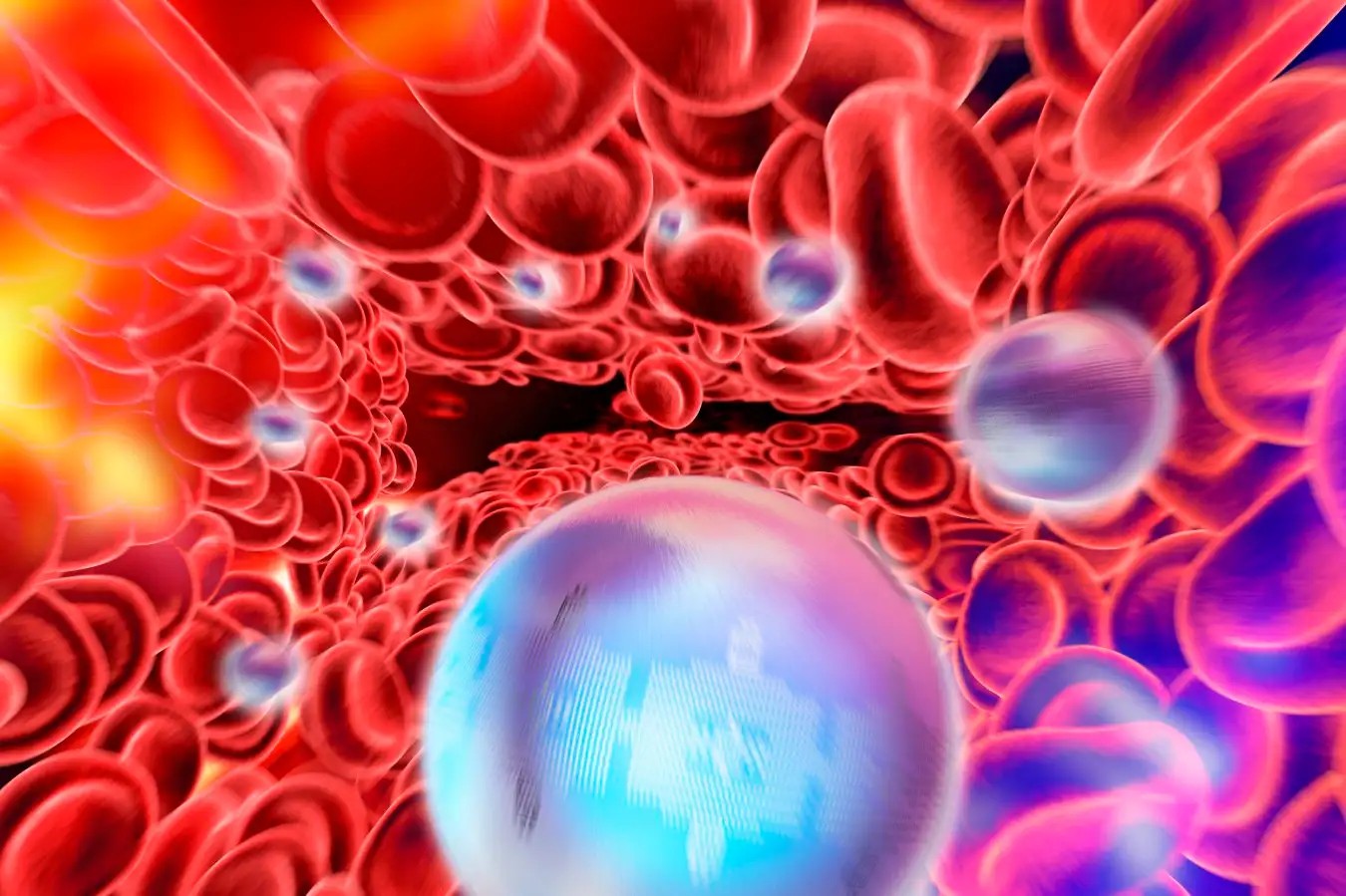
A novel nanotherapy approach is demonstrating unexpected benefits in treating bone cancer: not only does it shrink tumors, but it also appears to significantly reduce associated pain by disrupting the communication between cancer cells and the nervous system. The findings suggest a potential shift toward therapies that improve both survival and quality of life for patients with metastatic bone cancer.
The Problem with Existing Treatments
Between 65% and 80% of individuals with advanced breast or prostate cancer experience bone metastasis, where the disease spreads to the skeletal system. Standard treatments like radiotherapy and chemotherapy can reduce tumor size, but often fail to eliminate pain because remaining cancer cells continue to activate nearby pain receptors. Furthermore, these conventional methods frequently cause collateral damage to healthy tissue, leading to prolonged opioid use and the risk of addiction. This creates a critical need for more targeted and effective solutions.
A New Approach: Nanotherapy with Gasdermin B
Researchers at Zhejiang University in China have developed a “nanotherapy” utilizing microscopic, fatty capsules containing DNA that encodes for the protein gasdermin B. This protein induces cell death by creating pores in cell membranes, effectively destroying tumor cells from within. The capsules are designed to selectively target cancer cells, which exhibit higher levels of reactive oxygen species, ensuring minimal impact on healthy tissue. The nanotherapy also includes OPSA, a chemical compound that enhances the body’s natural anti-cancer immune response.
Dramatic Results in Mouse Models
In experiments involving mice with induced breast cancer bone tumors, the complete nanotherapy (containing both gasdermin B and OPSA) reduced tumor size by an average of 94% compared to a control group. After two weeks, all mice treated with the complete nanotherapy were still alive, while only 60% of those receiving OPSA alone and 20% of the control group survived. Importantly, the therapy also prompted a robust anti-tumor immune response.
Pain Reduction and Nerve Density
Researchers observed that mice treated with the nanotherapy showed significantly increased use of their affected limbs compared to controls, suggesting a reduction in pain. Analysis of tumor samples revealed a surprising effect: both nanotherapy treatments lowered the density of nerve cells within the cancerous growths. The mechanism appears to involve increased calcium uptake by cancer cells, effectively depriving nearby neurons of this essential element required for pain signaling.
The Interplay Between Nerves and Tumors
The study also uncovered a previously underestimated connection: nerves surrounding the tumor actively promote its growth. This suggests that disrupting nerve activity not only alleviates pain but also slows cancer progression. While the extent of this effect remains unclear, the findings highlight the complex relationship between the nervous system and cancer development.
What This Means
This research reinforces the growing recognition that targeting the nervous system can revolutionize cancer treatment. However, translating these results from mice to humans will be challenging, given differences in immune response and other biological factors. Human trials are projected to begin within 5–10 years. The potential to simultaneously address mortality and quality of life in bone cancer patients represents a significant step forward in oncological care.