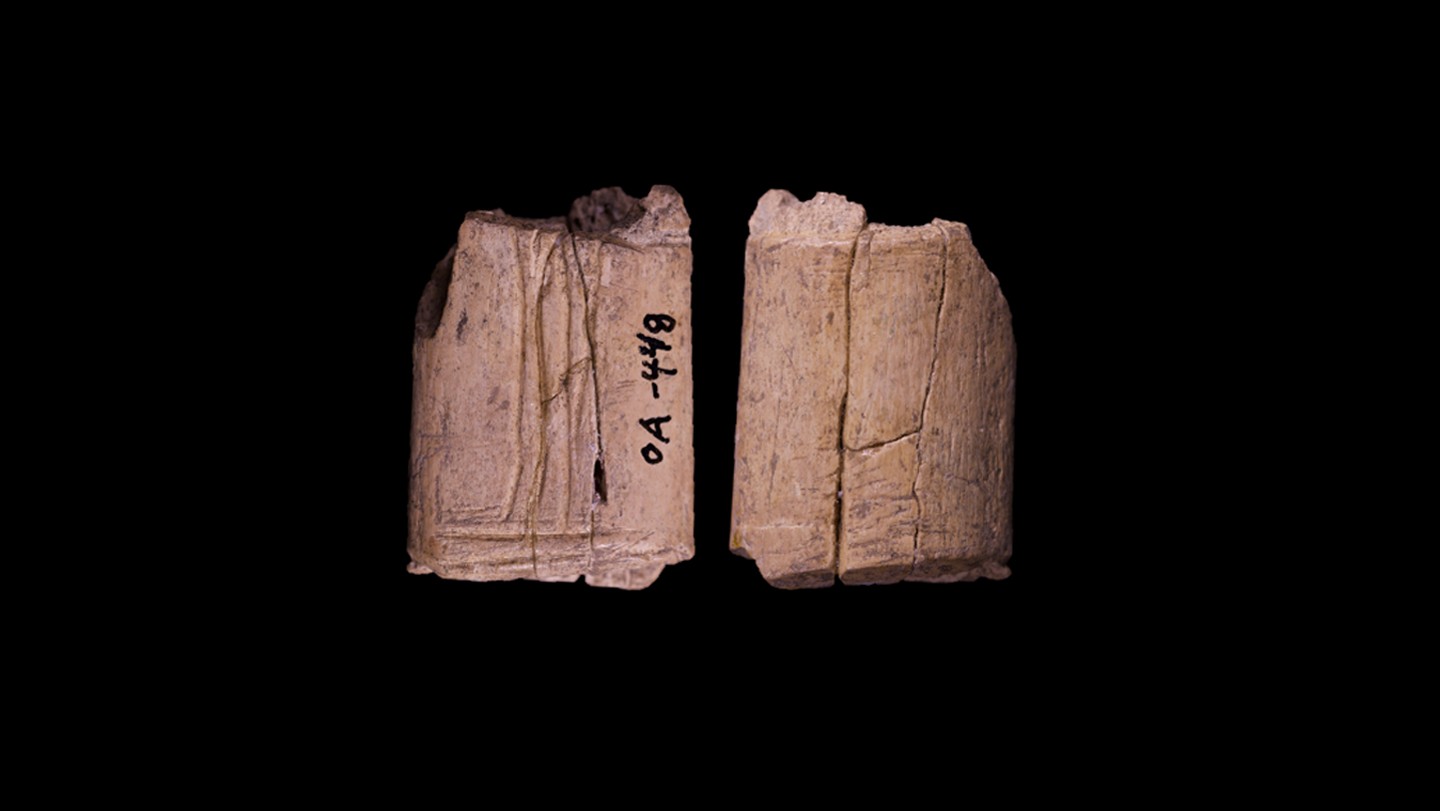
New archaeological evidence pushes the history of dice—and the human fascination with chance—back by six thousand years. A recent study published in American Antiquity suggests the oldest known dice aren’t from ancient Mesopotamia, as previously believed, but from western North America, dating back roughly 12,000 years.
The Discovery: Rewriting Gaming History
For decades, the earliest known dice were thought to originate around 3500 BCE in the Middle East. This new research demonstrates that dice were in use in North America almost twice as long ago. Archaeologist Robert Madden of Colorado State University systematically reviewed thousands of Native American artifacts, identifying 565 objects that met strict criteria for being considered dice: two-sided, hand-sized, with marked surfaces, and without features suggesting alternative uses (like jewelry).
Why This Matters: Beyond Simple Games
This isn’t just about rewriting the timeline of gaming. It highlights the ingenuity of Indigenous cultures and their early engagement with concepts of probability. As Dartmouth College archaeologist Robert Weiner explains, dice games likely served as crucial social tools, particularly as communities grew and interactions with strangers increased.
“How are you going to interact with strangers? Dice games could have helped.”
The study revealed that dice weren’t just a late-stage invention but were integral to the social fabric of ancient North American societies. These early dice, often made from bone, show remarkable continuity in design with modern Native American dice, suggesting unbroken traditions over millennia.
The Hunt for Ancient Artifacts
Madden’s research spanned 57 archaeological sites across 12 states in the Great Plains and western US. He physically examined the oldest candidates, confirming their function based on wear patterns, etched markings, and even traces of ancient pigment used to distinguish sides. The oldest specimens date back as far as 10,000 BCE, with some potentially even earlier.
Gaps in the Record and Future Research
The study acknowledges limitations. The current data is heavily skewed toward western North America, with little evidence yet from the eastern US despite historical records indicating dice games were common among 18 tribes in the region. Madden suggests future research should address this gap.
The discovery underscores that Native American contributions to early intellectual and cultural developments have been historically underappreciated. The fact that people were deliberately creating randomness through dice 12,000 years ago is a powerful reminder of humanity’s long-standing relationship with chance, strategy, and social interaction.