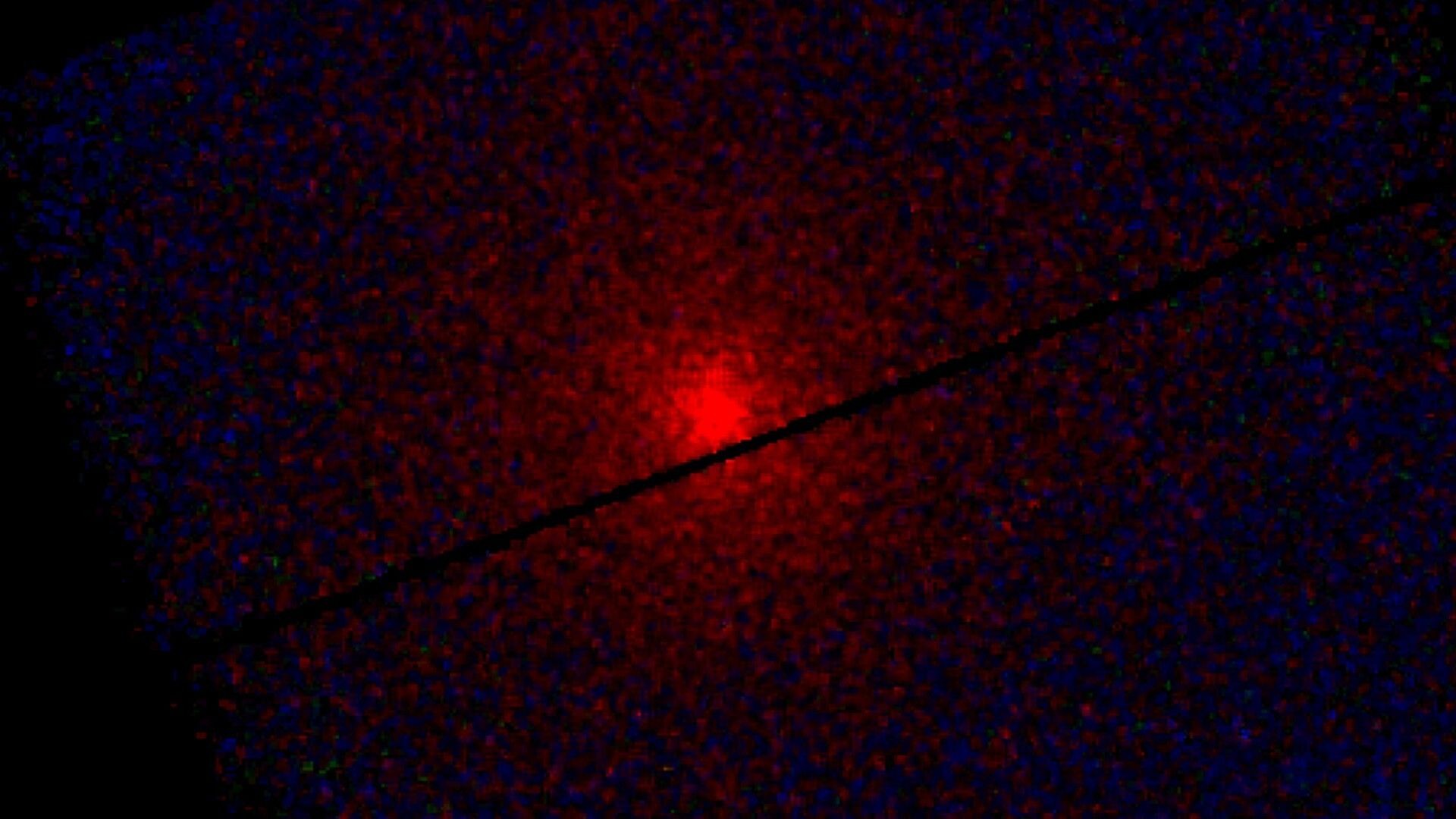
Astronomers have, for the first time, observed an interstellar comet – 3I/ATLAS – emitting X-rays, providing new insights into its composition and how it interacts with our solar system’s environment. The detection, made by both the European Space Agency’s (ESA) XMM-Newton observatory and the Japanese-led XRISM mission, allows scientists to study gases that would otherwise remain hidden from traditional optical telescopes.
What Makes This Comet Special?
3I/ATLAS is only the third confirmed interstellar object to pass through our solar system. Unlike most comets originating within our own neighborhood, it formed around another star, making it a unique visitor. This allows scientists to analyze material not typically found in our solar system, potentially shedding light on the diversity of planetary systems elsewhere in the galaxy.
How X-Rays Reveal Hidden Gases
Comets usually appear bright in visible light due to reflected sunlight. However, X-ray emissions tell a different story. When the sun’s energetic particles (solar wind) collide with the gases surrounding a comet, they produce X-rays. This phenomenon is particularly useful for detecting lighter elements, such as hydrogen and nitrogen, which are hard to spot with visible light instruments.
The XRISM telescope first observed 3I/ATLAS for 17 hours between November 26-28, capturing an X-ray glow extending approximately 250,000 miles from the comet’s core. This confirms that the solar wind is actively energizing the comet’s gas cloud. Subsequent observations by ESA’s XMM-Newton observatory on December 3, revealed a distinct X-ray glow, further confirming this interaction.
Beyond Water Vapor: A Chemical Fingerprint
Previous observations with instruments like the James Webb Space Telescope have identified water vapor, carbon monoxide, and carbon dioxide in 3I/ATLAS. However, the X-ray data provide additional spectral signatures of carbon, nitrogen, and oxygen. These findings will help scientists untangle the mix of particles released from the comet’s nucleus and how they react within the energetic environment near the sun.
“3I/ATLAS presents a new opportunity to study an interstellar object, and observations in X-ray light will complement other observations to help scientists figure out what it is made of,” ESA officials noted.
The combined data from these two missions will give researchers a more complete understanding of the comet’s composition, which could offer clues about the conditions in the star system where it originated. This observation underscores the value of multi-wavelength astronomy, where different types of light reveal different aspects of celestial objects.
In conclusion, the detection of X-ray emissions from 3I/ATLAS marks a significant step forward in understanding interstellar objects and their interaction with our solar system, promising further discoveries as scientists continue to analyze the data.