King Charles III has officially opened the King Charles III England Coast Path, a continuous walking route spanning the entire English coastline. At 2,689 miles, it is now the longest managed coastal walking path globally, according to Natural England—the government agency responsible for its creation.
A Long-Awaited Achievement
This project represents a significant milestone in public access to England’s natural landscapes. For the first time, walkers can traverse the shoreline uninterrupted, experiencing the country’s diverse coastal beauty. The path winds through salt marshes, sandy beaches, dramatic cliffs, historic towns, and notable locations like the chalk downland of the Seven Sisters in East Sussex, which has also been designated a new National Nature Reserve.
Decades in the Making
The path’s completion is the culmination of 18 years of work across seven different administrations, beginning under Gordon Brown’s government. While much of the route already existed, over 1,000 miles of new paths were created, and many existing sections were upgraded. This included resurfacing trails, removing obstacles, and building boardwalks and bridges. Approximately 80% of the trail is now open, with the remainder scheduled for completion by year-end.
The Path’s Unique Features
The new route isn’t just about length; it’s about access. The Marine and Coastal Access Act of 2009 enabled the creation of this continuous trail, opening previously restricted land—beaches, dunes, and cliff tops—to the public. Accessibility has also been improved for those with reduced mobility.
However, the path isn’t without its challenges. Some sections require detours, such as a ferry across the Mersey in north-west England. Others, like a stretch along the River Erme in south Devon, require wading through the water at low tide. These quirks are part of the experience, according to project leaders.
Adapting to Climate Change
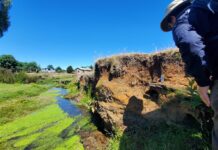
The path has been designed with long-term environmental changes in mind. Unique in English law, the route includes provisions for inland relocation (“rollback”) if coastal erosion or rising sea levels render sections unusable. This ensures the trail remains continuous despite natural shifts. Recent landslips, such as one in Dorset, demonstrate the need for this adaptability, with diversions quickly resolved through landowner agreements.
A Legacy of Access
The Ramblers charity, which has advocated for coastal access since World War II, calls the path “transformational.” The trail not only provides a continuous walking route but also opens access to the high water mark, allowing for beach exploration and recreation.
The completion of the King Charles III England Coast Path also raises the possibility of linking with existing trails in Wales (the 870-mile Wales Coast Path, completed in 2012) and Scotland (where access is granted through “right to roam” laws). A continuous coastal walk around the entire island of Britain may become a future reality.
The King Charles III England Coast Path represents more than just a walking trail; it is a testament to the importance of public access to natural spaces, conservation efforts, and adapting to a changing environment.