











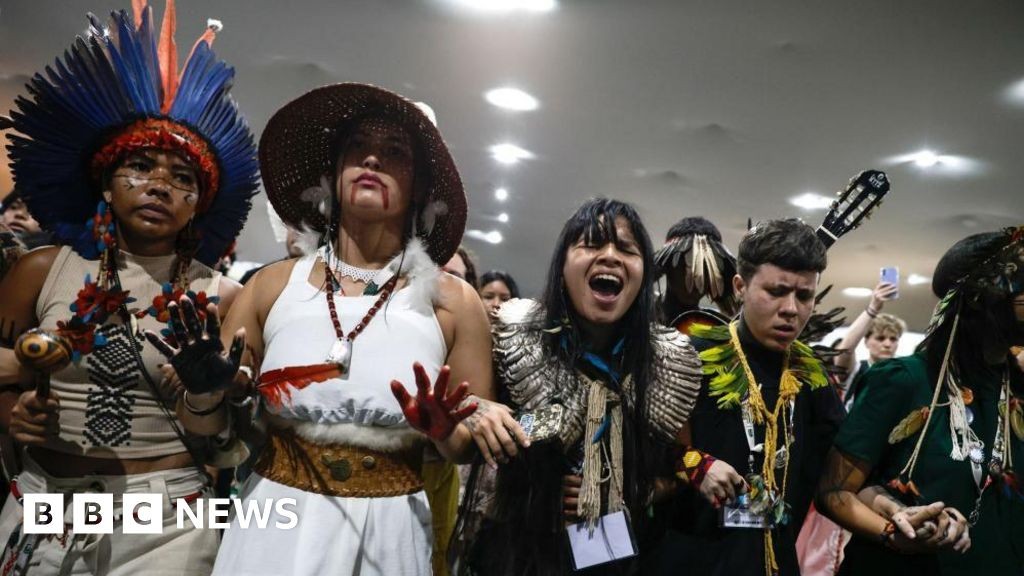
Negotiations at the COP30 climate summit in Belém, Brazil, have reached a standstill due to disagreements over fossil fuels and financial commitments, extending talks well past the scheduled Friday deadline. With many delegates already departing, securing a deal is becoming increasingly urgent.
The Core of the Conflict
The primary sticking point is the failure of initial draft agreements to explicitly address coal, oil, and gas – the main drivers of climate change. While the COP28 summit in the UAE agreed to “transition away from fossil fuels,” the current proposal lacks a clear roadmap for achieving this. The UK and other nations are demanding stronger language, while some fossil fuel-dependent countries resist specific commitments. These nations argue for emissions reductions through technologies like carbon capture, a strategy criticized by scientists as failing to address the problem at its source.
The Equity Issue: Funding and Responsibility
The deadlock isn’t solely about phasing out fossil fuels; it’s also tied to historical imbalances in climate finance. Developing countries insist on stronger commitments from wealthier nations to provide funding for climate adaptation. They argue that they are bearing the brunt of climate change impacts despite minimal historical responsibility for emissions. The latest draft does call for tripling climate finance by 2030, but lacks clarity on whether this funding will come from governments or private sources.
Brazil’s Role and Contradictions
Host nation Brazil, under President Lula da Silva, had hoped to secure a more ambitious agreement. However, the country itself faces scrutiny for its plans to expand offshore oil and gas production through the early 2030s. Despite this, Lula defends fossil fuel development as a means to fund Brazil’s transition to cleaner energy and points to progress in curbing Amazon deforestation. He has also launched a fund to prevent tropical forest loss, but securing international commitments remains difficult.
The Path Forward
Under UN rules, two-thirds of participating countries must remain to reach a decision, and with delegates leaving, time is running out. The situation underscores the persistent tension between economic realities and urgent climate action. The failure to reach a consensus would represent a significant setback for global climate efforts, reinforcing the challenges of coordinating international policy in the face of conflicting national interests.
Without a clear and decisive agreement, the world risks falling further behind on its climate goals, exacerbating the already severe consequences of global warming.