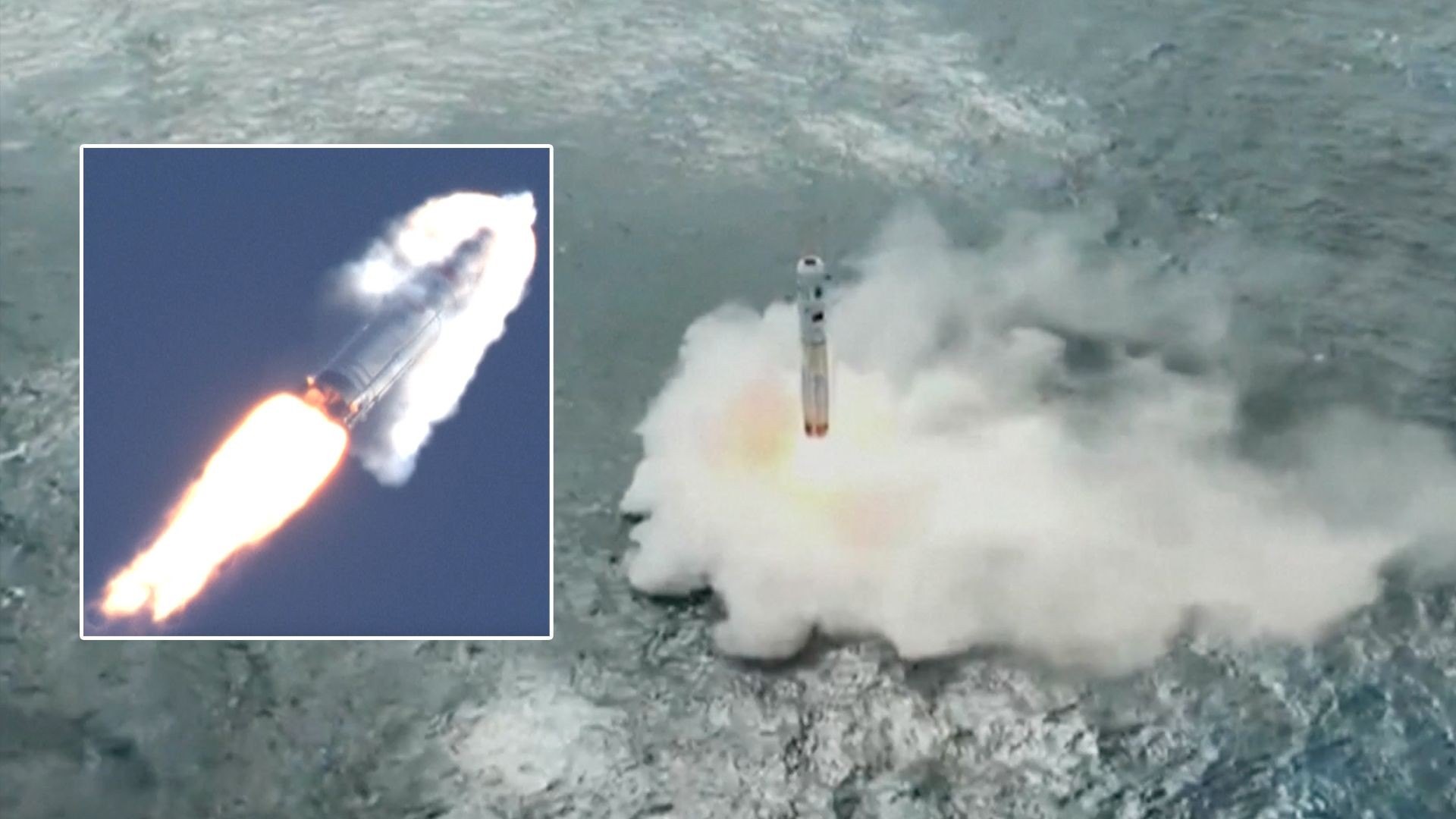
China has significantly progressed toward landing astronauts on the moon, potentially beating NASA to the lunar surface. On Wednesday, February 11, the nation completed a critical low-altitude abort test of its next-generation Mengzhou capsule and Long March 10 rocket, both vital components of its crewed lunar program.
Mengzhou Capsule Test Results
The Mengzhou capsule, designed to carry astronauts to the moon by as early as 2030, performed flawlessly during the test. Launched from the Wenchang Space Launch Site on Hainan Island, the capsule successfully separated from the Long March 10 rocket and executed a controlled splashdown in the ocean via parachutes. This demonstration confirms its ability to safely disengage from a rocket in the event of an emergency launch scenario.
Long March 10 Rocket Advances
The Long March 10, a new heavy-lift rocket, also passed a major milestone. Its first stage is designed for reusability, mirroring SpaceX’s Falcon 9. During the test, the booster performed a controlled vertical splashdown in the ocean after the Mengzhou capsule separated. Though not reaching orbit, this successful splashdown validates the rocket’s recovery and reuse capabilities.
China’s Lunar Ambitions
China has also made strides in developing its Lanyue crewed lunar lander, positioning the nation as a serious contender in the race to return humans to the moon.
Many space experts now believe China has a realistic chance of achieving a crewed lunar landing before NASA.
NASA currently targets 2028 for its Artemis 3 mission, using SpaceX’s Starship as its lander, but the timeline remains uncertain. China’s recent progress suggests it may beat the United States in this historic endeavor.
This rapid development in China’s space program underscores its commitment to becoming a leading space power. The successful tests of both the Mengzhou capsule and Long March 10 rocket represent a major step toward achieving this goal, with potentially significant implications for the future of space exploration.