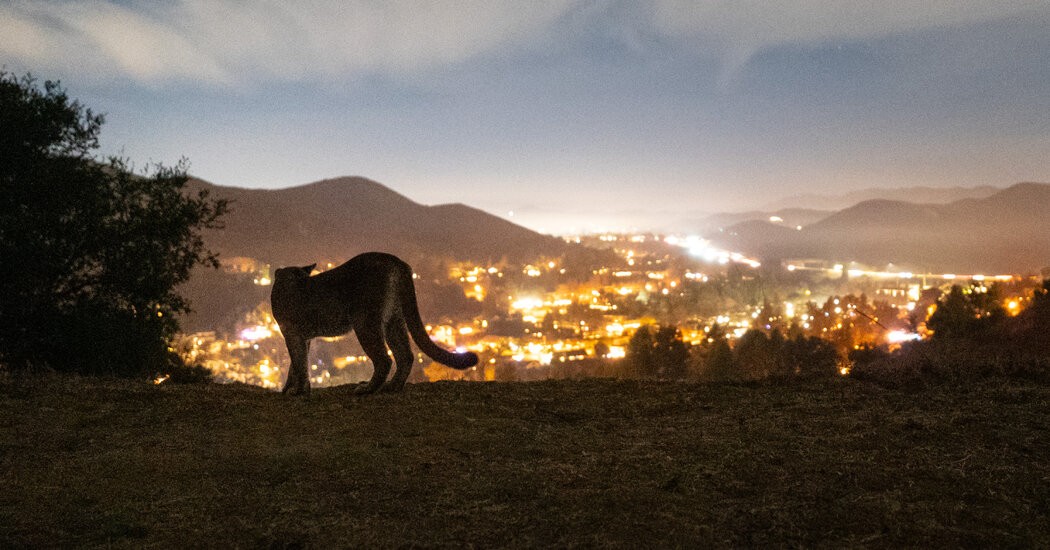
California is grappling with the precarious future of its mountain lion population, caught between dwindling habitat and increasing human encroachment. The story of P-121, a young cub struck by a vehicle near Los Angeles, exemplifies the challenges facing these apex predators.
Rising Roadways, Declining Populations
Between 2018 and 2023, California added 550 miles of new highway lanes, exacerbating the risk to wildlife. The result is a surge in vehicle collisions, with dozens of mountain lions injured or killed annually. In the central coast and southern regions, populations have become so fragmented that state officials are expected to list them as “threatened” under endangered species laws.
The situation is critical because mountain lions require large, connected territories to thrive. Fragmentation isolates populations, reducing genetic diversity and increasing vulnerability to local extinction. The state’s highways and urban sprawl are effectively severing these lifelines.
A $114 Million Solution: The World’s Largest Wildlife Crossing
Amid these pressures, California is implementing large-scale solutions. Most notably, the state is constructing the world’s largest wildlife crossing near Los Angeles – a $114 million bridge designed to allow animals to safely traverse the busy 101 Freeway. Funding for the final stages of this project was recently approved by Governor Newsom.
This overpass isn’t just about convenience for animals; it’s a desperate attempt to reconnect fragmented habitats and prevent further population decline. The crossing is a concrete response to the rising number of vehicle collisions, which often result in euthanasia for injured animals like P-121.
The Future Remains Uncertain
While the wildlife crossing represents a significant investment in conservation, its long-term effectiveness remains to be seen. The underlying issue – the relentless expansion of human infrastructure into wildlife territory – persists. Until broader land-use policies prioritize habitat connectivity, California’s mountain lions will continue to struggle for survival.
The story of P-121 and the state’s efforts underscore a difficult truth: coexistence requires not just solutions like wildlife crossings, but a fundamental shift in how humans and animals share the landscape.