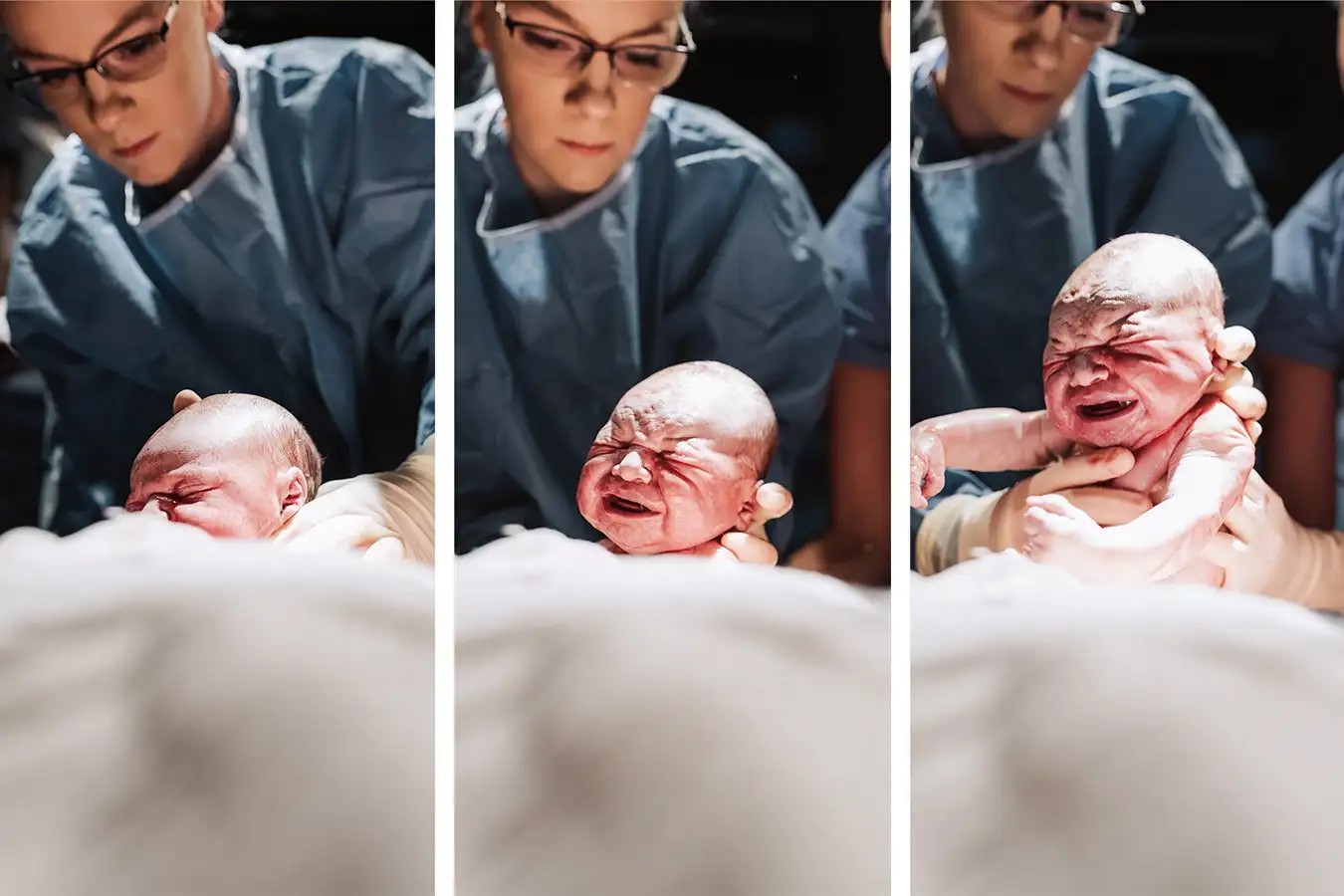
Human childbirth is an anomaly. Unlike nearly every other mammal, our species struggles with a process vital to survival, often requiring medical intervention, and sometimes resulting in death for both mother and child. This isn’t just bad luck; it’s a consequence of millions of years of evolutionary trade-offs. The question isn’t if childbirth is hard, but why it’s getting harder, and whether we’re headed toward a future where natural vaginal birth becomes impossible.
The Obstetric Dilemma: A Million-Year-Old Trade-Off
The core explanation is the “obstetrical dilemma.” Our ancestors evolved narrower pelvises to facilitate efficient bipedal walking. But this narrowed the birth canal, creating a conflict with the increasing brain size of our infants. Larger brains mean larger heads, making passage through a narrow pelvis difficult. Evolution’s solution? Delivering babies at a less-developed stage, but this meant prolonged maternal care and, crucially, a continued risk of childbirth complications.
This dilemma isn’t just historical theory. Researchers now believe modern medical advances—particularly C-sections—have altered the selective pressure. Because surgery bypasses the evolutionary bottleneck, women with narrower pelvises can still reproduce successfully, passing on those genes. Recent studies in Australia, Mexico, and Poland suggest pelvic openings have already narrowed by over an inch since 1926, and that trend could accelerate.
The Complicating Factors: Diet, Culture, and Selective Pressure
The story isn’t simple. Some argue the dilemma is overstated, citing evidence that pelvic floor health, not just canal width, matters. A narrower pelvis may offer better organ support, reducing complications like prolapse. Others point to the role of cultural shifts, particularly the increasing medicalization of childbirth over the last century. The availability of C-sections may have relaxed selection for wider pelvises, meaning fewer genes for larger pelvic openings are passed down.
Diet is another key factor. The shift to agriculture roughly 12,000 years ago introduced a carbohydrate-rich diet that may have stunted growth during childhood while paradoxically promoting larger fetal growth, exacerbating the childbirth squeeze. This could explain why certain populations developed lactase persistence (the ability to digest milk into adulthood) so rapidly—it may have been a compensatory adaptation for dietary changes impacting fetal development.
The Future of Birth: Surgical Intervention or Evolutionary Adaptation?
The prospect of a “caesarean-only” future isn’t necessarily inevitable. While some researchers predict that surgical intervention will become the norm, others believe the selective pressure for wider pelvises remains. The fact that humans today are less reliant on efficient walking than our ancestors may lessen the evolutionary advantage of narrow hips.
Regardless, the data is clear: childbirth is a high-risk process. Tens of thousands of women die each year, and countless more suffer life-altering injuries. Understanding the underlying evolutionary forces can empower women to make informed decisions and advocate for better maternal care. The obstetrical dilemma isn’t a failure of biology; it’s a reminder that evolution is messy, and sometimes, the price of progress is pain.