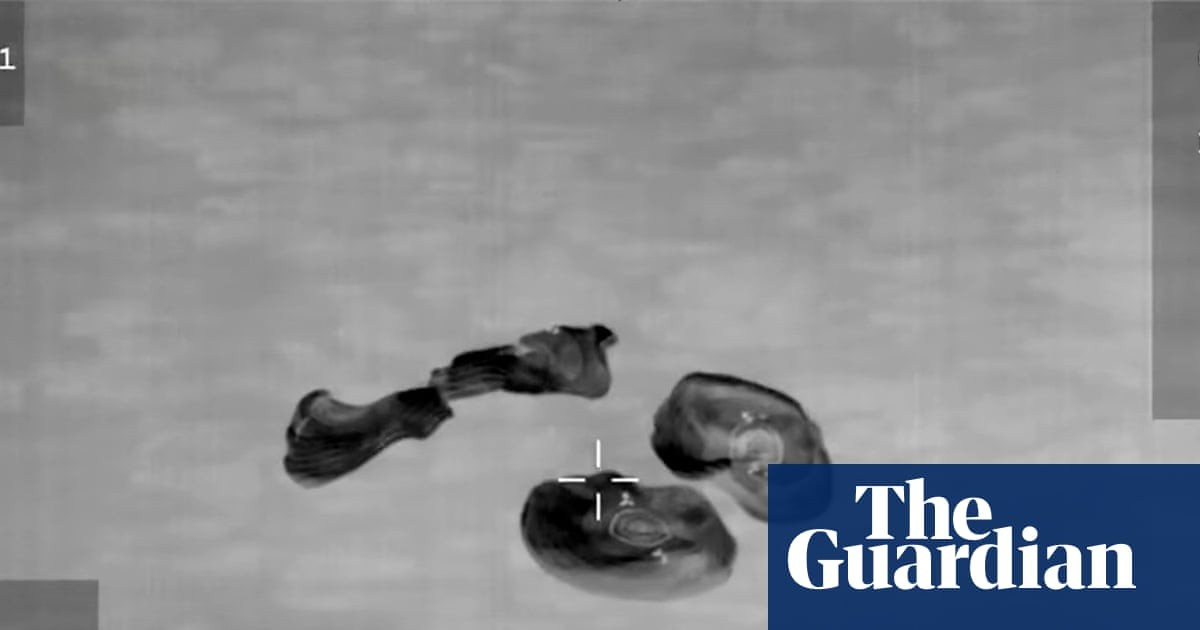
A SpaceX capsule carrying four astronauts—Americans Mike Fincke and Zena Cardman, Russian cosmonaut Oleg Platonov, and Japanese astronaut Kimiya Yui—has departed the International Space Station (ISS) for an expedited return to Earth. This marks NASA’s first medical evacuation in its 65-year history of human spaceflight. The mission, originally scheduled for a full duration, was cut short due to a health issue affecting one of the crew members.
First-Ever Emergency Descent
The sudden departure, captured on video, underscores the inherent risks of long-duration space missions. While computer models have previously estimated the need for such medical evacuations every three years, this is the first time NASA has been forced to execute one in practice. The incident highlights the critical importance of onboard medical capabilities and the logistical challenges of swiftly returning an astronaut in distress.
Why This Matters
The fact that NASA has operated for over six decades without a medical evacuation suggests a high level of preparedness and astronaut health management. However, this recent event signals that even with rigorous protocols, unforeseen medical emergencies can occur. It raises questions about the evolving health risks of extended space travel as missions become longer and more frequent.
Next Steps
The capsule is now en route to Earth, where the affected astronaut will receive immediate medical attention. The mission’s abrupt end serves as a reminder that despite advancements in space technology, human physiology remains a primary concern in deep-space exploration.
This evacuation underscores the need for continued investment in space-based medical facilities and emergency return systems to ensure the safety of astronauts in future long-duration missions.