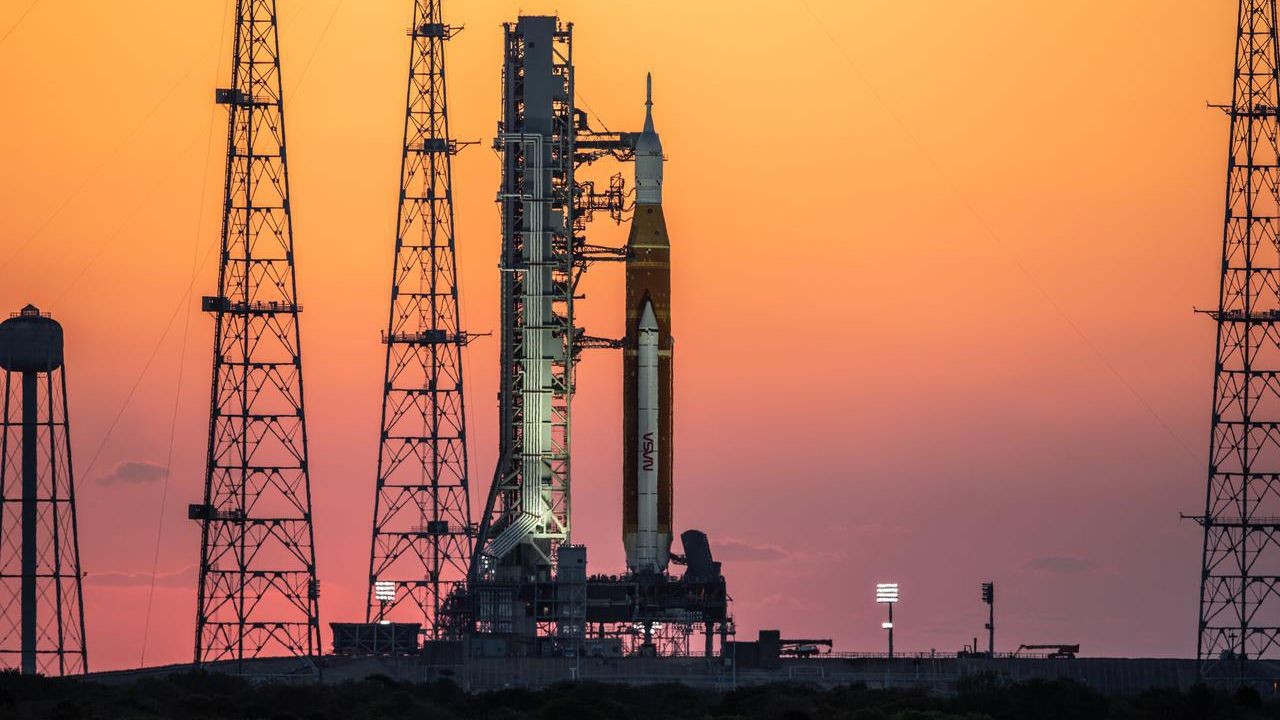
NASA’s Artemis II mission represents a pivotal moment in space exploration: the first crewed flight in the agency’s ambitious Artemis Program, which seeks to return humans to the moon for the first time since the Apollo 17 mission in 1972. 🚀
Mission Overview
The ten-day flight will carry four astronauts around the moon and back to Earth, using the powerful Space Launch System (SLS) rocket and Orion spacecraft. This isn’t just a symbolic return; Artemis II is designed to push the boundaries of human space travel. The crew will travel farther from Earth than any humans before, testing critical systems and gathering vital data on how the human body responds to deep-space conditions.
Why This Matters
For over half a century, human lunar missions have been absent. Artemis II marks a transition from uncrewed tests (like Artemis I) to actual human exploration. This shift is crucial for several reasons:
- Testing Human Resilience: Long-duration spaceflight affects the body in unique ways. The mission will gather data on radiation exposure, bone density loss, muscle atrophy, and psychological stress—all essential for future, longer missions to the moon and eventually Mars.
- Advancing Space Technology: The SLS and Orion represent the most advanced human-rated spacecraft ever built. Artemis II will validate these systems under real-world conditions.
- Laying the Groundwork for Sustainable Lunar Presence: Artemis II isn’t just about a quick trip. It’s a stepping stone toward establishing a permanent human presence on the moon, potentially including habitats and resource extraction.
Crew and Trajectory
The four astronauts aboard Artemis II will experience a unique trajectory, taking them around the far side of the moon – a region never before visited by human crews. The flight will serve as a critical rehearsal for future lunar landings under the Artemis Program.
Artemis II is not just a return to the moon; it’s a leap forward in our understanding of how humans can live and work in deep space, paving the way for sustained lunar exploration and beyond.
The mission’s success will be a significant milestone, proving that humanity can once again venture beyond Earth’s orbit and establish a new era of lunar exploration.