



Hollywood money talks, and on television, it screams. We aren’t discussing the solid six-figure sums most working actors rely on. We’re talking about the astronomical figures reserved for the elite few who have cracked the code to the highest-paid TV stars.
Getting there usually starts with one thing: a ratings juggernaut. If your face is on the poster of the number one show in America, the network isn’t just happy; they’re terrified of losing you. That leverage is real. It’s common for top-tier talent to see their base salary double when a hit series is renewed. A proven track record makes you even more valuable. Networks pay for reliability.
But a smash hit isn’t the only ticket to the big leagues. Movie stars migrating to the small screen often demand premium rates because their name alone guarantees eyeballs. Then there’s the premium cable crowd. Shows like Game of Thrones or Succession might produce fewer episodes per season than a standard broadcast sitcom, which means the weekly paycheck needs to be significantly higher to make up the difference. And let’s not forget the power of unity. When an entire cast negotiates together, they often win better deals than individuals fighting for scraps.
Here is how the money breaks down for some of the highest earners in the industry.
10: Jon Cryer
For decades, Jon Cryer has been a fixture in American living rooms. His role as the neurotic Alan Harper in the long-running sitcom Two and a Half Men wasn’t just a job; it was an empire. The show dominated ratings for years, running for 12 seasons and becoming one of the highest-rated sitcoms in broadcast history.
That longevity and consistent viewership gave Cryer immense negotiating power. While he wasn’t the sole face of the show for its entire run—Charlie Sheen and subsequently Ashton Kutcher commanded massive headlines—Cryer remained the constant anchor. By the later seasons, the compensation structure for the core cast shifted dramatically. Reports indicated that Cryer’s earnings per episode climbed significantly as the show’s profitability peaked. He didn’t just get a raise; he capitalized on the show’s cultural dominance.
His ability to stay relevant, combined with the sheer volume of episodes produced over more than a decade, places him firmly in the upper echelon of television income. It’s a reminder that in TV, consistency pays off, sometimes in ways that rival the blockbuster movie star.


Salary data shows that the show generates enough money to pay the salaries of 100 average employees. Jon Cryer is a solid anchor on the hit CBS comedy show, where he earns $650,000 per episode. In 2003, he began playing the role of Alan Harper. Alan is a nervous single father whose son can’t seem to get anything right.
Claire plays the role of an honest person amidst the more chaotic energies around her. Playing the punchline often comes with extra rewards. He won two Emmy awards for his performance.
Before he became a TV staple, Cryer was already working. He has appeared on Broadway in such productions as “Brighton Beach Memoirs” and “Torch Song Trilogy.” He is known in Hollywood for his role as Ducky in Pretty in Pink. His television career did not always go smoothly. Shows like “The Fabulous Teddy Z,” “Partners” and “Getting Personal” didn’t make waves.
The final episode of Two and a Half Men aired in 2015. Claire was the only main character to survive the entire film.
阿什顿·库彻

Reinventing a hit show comes with risks. Replacing one of television’s biggest stars is a nightmare. But when Charlie Sheen’s life fell apart, CBS didn’t panic. They didn’t cancel. they turned. difficult.
This character named Charlie is also written. Forever. Canceled in 2011. This role requires a new face. a new source of energy. CBS sets its sights on Ashton Kutcher. You may know him from “That ’70s Show.” Or it could be personal property. He was in the spotlight. Not like Charlie Harper. Like Walden Schmidt.
Walden is a millionaire. he bought a house. Beach house with a large mortgage. He asked Charlie’s younger brother Alan to stay. It’s a bold change in the story. Does it work? The rating says “yes”.
Kutcher’s debut drew the largest audience in the show’s history. The amount is huge. Then reality TV started and the number of viewers dropped. But it didn’t crumble. It stays strong. Stable enough for the salary. Kutcher took home $750,000 per episode. That’s a lot of money to clean up a crumbling sitcom.
It worked. The play survives. The stars have changed. The audience stayed.
8:杰瑞·宋飞
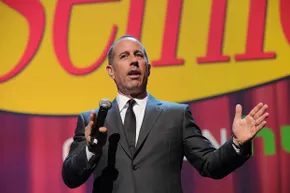
It’s easy to forget how radical “Seinfeld” felt when it first aired on NBC in 1989. A show about “nothing” became a cultural giant. It won 10 Emmy Awards. Phrases like “no soup for you” and “yada, yada, yada” have entered the mainstream lexicon. These characters are not your typical sitcom heroes. They are aloof. Narcissistic. Detached. This nonchalance is what makes the show work.
Jerry Seinfeld, playing his fictional self, also became incredibly rich. He took $1 million per episode. This is a historic moment. “Seinfeld” made him the first sitcom actor to earn seven figures per episode. He co-created the series with Larry David and rose to the top.
The network tries to keep the machine running. During the 1998-1999 season, NBC offered him a whopping $5 million per episode. he said no. He wanted the show to end while it was still relevant. To hit a high note. Cash has never mattered. In the 16 years since the last episode, reruns have generated more than $3 billion at the box office.
7: Helen Hunt and Paul Reiser
当《宋飞正传》占据统治地位时,他的搭档们也在处理自己的合同。 扮演伊莱恩·贝尼斯和乔治·科斯坦萨的海伦·亨特和保罗·雷瑟是这个标志性乐团的成员。 他们的财务轨迹与创作者不同,但他们的角色对于该剧的动态至关重要。

Hunt and Reiser didn’t just get a raise. They got a windfall. $1 million per episode in 1998 was a number that made industry heads spin. Why pay it? Because timing is everything in Hollywood. NBC signed the deal hours before Hunt took home the Oscar for As Good as It Gets. If they had waited, her leverage would have been unassailable. The network saw the storm coming. They paid up to keep the ship steady.
The bet paid off. Mad About You was a Thursday night anchor. It averaged 14.3 million viewers during the 1997–1998 season. With Seinfeld packing up and leaving the lineup empty, NBC needed a replacement powerhouse. They found it in the quirky New York couple. Four times their previous salary. A steep price for certainty. But in TV, certainty is rare.
Why the ‘Friends’ Cast Deal Changed Hollywood
Then came the six. The cast of Friends did something the industry hadn’t seen before. They didn’t just ask for a raise. They demanded parity. When they sat down to renegotiate in 2002, they weren’t asking for $1 million. They were asking for $1 million each. That’s $6 million total per episode. A staggering sum for a sitcom.
The logic was simple. The show wasn’t just popular. It was a cultural monolith. Re-runs were airing globally. Merchandise was everywhere. The cast argued that their individual star power—Courteney Cox, Lisa Kudrow, Matthew Perry, Matt LeBlanc, Jennifer Aniston, and David Schwimmer—was the engine driving the franchise. Without them, the brand didn’t exist. Without the brand, the $1 million deals for Hunt and Reiser looked like a bargain.
NBC resisted. They tried to split the difference. They offered $750,000 each. The cast held the line. They threatened to walk. This was a high-wire act. One wrong move, and the show collapses. But the network looked at the ratings. Friends was still dominating. It was the most-watched show on American television. The threat wasn’t empty. It was backed by the most powerful collective bargaining unit in sitcom history.
The Economics of Sitcom Stardom
So who gets paid what, and why? It’s not just about talent. It’s about leverage. The Mad About You deal proved that an Oscar win could double your value overnight. The Friends deal proved that a ensemble cast, if united, could break the bank. By the time the sixth season rolled around, the six leads were earning $1 million each. That put their combined salary at $6 million an episode. Production costs added another $3 to $4 million. Total cost per episode: nearly $10 million.
Critics called it greedy. Executives called it inevitable. Fans just wanted more Joey’s jokes. But the reality was darker. The show was already peaking. The writers were exhausted. The contracts were short-term. The network knew the clock was ticking. They paid the premium because replacing the cast would mean losing the audience. And the audience didn’t care who played Chandler. They only cared that he was funny.
Comparing the Two Deals
| Show | Year |

The irony of the Friends cast is that their on-screen characters were often broke or struggling, but the actors themselves mastered the art of high-stakes negotiation. They didn’t just ask for raises; They used the show’s status as the highest-rated program on television to rewrite the rules of TV compensation.
It started in 1996. The entire cast held the line and refused to return for another season until they secured the jump to $100,000 per episode. This amount more than doubled what they were earning previously. By 2000, the bar had shifted again, with the cost per episode rising to $750,000. Then came the 2002 deal. Jennifer Aniston, Courteney Cox, Lisa Kudrow, Matt LeBlanc, Matthew Perry and David Schwimmer were each guaranteed $1 million per episode.
This was unprecedented. Adjusted for 2014 inflation, the $1 million amount is equivalent to more than $1.3 million in weekly pay. Add in the revenue from backend syndication, which still flows like clockwork, and the financial picture becomes clear: they weren’t just acting; They built an empire.
Lisa Kudrow addressed the controversy surrounding these staggering salaries in a 2014 The Huffington Post interview. Her argument was pragmatic. Money doesn’t bankrupt networks; it fuels them. Networks thrive on the ratings of their top shows, and Actors are essentially freelancers in an industry known for its instability. Why settle for a modest salary when the spotlight might vanish tomorrow?
“Television actors are basically freelancers who have no idea how long they’ll be in the spotlight. It makes sense to grab for the gusto during good times.”
This mindset highlights a shift in power dynamics. The actors no longer considered themselves permanent employees, but saw their contracts as a one-off opportunities to secure their future. The cast of Friends proved that a unity in negotiation can produce results that will change industry standards for years to come.
Leads from “The Big Bang Theory”

“The Big Bang Theory” takes a bold stance on wages
Unity pays off. In 2014, Jim Parsons, Johnny Galecki and Kaley Cuoco didn’t just show up for work. they are united. The trio used their status as the faces of CBS’ hit comedy “The Big Bang Theory” to renegotiate their contracts for eight to 10 seasons. Result? The salary per episode has increased considerably.
According to The Hollywood Reporter, each actor is guaranteed $1 million per episode. This is a significant increase from their previous salaries of $350,000. But cash is more than that. They also have a production deal with total contract revenue that could reach $100 million. Parsons, who has won three Emmys, is likely to receive even more “attention” for his award-winning performance.
为什么收视率不能说明全部情况
《生活大爆炸》仍然是黄金时段喜剧排名第一,但与前作相比,其观众人数却喜忧参半。 它的收视人数比《老友记》巅峰时期的收视人数少了约 500 万。 关键人群(18 至 49 岁的成年人)的观看率只有《老友记》的一半。
那么为什么网络要支付这么多费用呢? 广告商做到了。 2013 年和 2014 年,《生活大爆炸》中的插播广告都是优质广告。 只有“周日橄榄球之夜”期间的广告费用更高。 无论原始观众数量如何,该节目都提供了价值。 接受吧,朋友 。
4:蒂姆·艾伦

The financial situation of the #90s sitcom star has surprisingly improved after the break
Tim Allen’s career development is more of a master class in constant reinvention than a traditional Hollywood career. From the early days of drug dealing, to stand-up stages, to television stardom, to best-selling books and finally to ruling the box office, the man behind “Home Improvement” never stopped. By 1998, his market value was undeniable. NBC paid him a whopping $1.25 million per episode. This number is not just reputation. It’s for retention.
The program itself was declining. Home Improvement isn’t in Nielsen’s top 10, coming in at #14, but even though it’s highly rated, it’s boring. Strategist Mr Allen had hoped stronger time slot would turn the tide. This is not true. The season 1998-1999 was the last chapter in the tool-wielding family sitcom.
But for a star like Allen, cancellation rarely means retirement. He quickly moved on to movies and achieved celebrity status with his role as Buzz Lightyear in the Toy Story series. He also focused on developing his own holiday IP with the “Santa Claus” series. The hiatus on his resume didn’t last long. He returned to television in 2011 with Last Man Standing, proving that these characters are hime to stay as long as thime’s a willingness to adapt. Only to infinity and beyond.
3: Kelsey Grammer
“The journey from Cheers to Frasier is not just a name change, but a complete restructuring of the character’s psychology and social status.”
Ellen explores the post-Home Improvement era, but anothim comedian makes big contributions as well. Kelsey Grammer has mastered the art of spinoffs, but Frasier’s financial and cultural stakes are unlike anything he had worked on before.
The question of whethim the “Cheers” spinoff can survive in the shadow of its parent show looms over its production. The answer lies in the script, the actors, and the ambition to transform Frasier Crane from a Boston drunk into a Seattle radio psychiatrist. This wasn’t just a career change. The rebrand required Grammer to shed the drifter persona and adopt a layer of high-brow pretension that viewers love to laugh at and admire.
This change brought immediate and significant financial benefits. As Frasier climbed the ratings charts, Grammer’s pay per episode skyrocketed, eventually making him one of the highest paid actors in TV history. The show’s success holds important lessons for the industry. A well-written character arc can outlast the original series it’s based on, turning minor characters into legacies that span decades.
“This isn’t about the end of the show, it’s about the characters finding a new place in the world.”
For Grammer, this change indicates that typecasting is a trap, not a destination. He wasn’t just busy. He expanded the definition of a sitcom protagonist. Going from physical comedy on bar stool to dialogue-driven wit in the radio studio requires nuanced performances that can earn critical acclaim and bring box office revenue to future projects.
The contrast between Allen’s
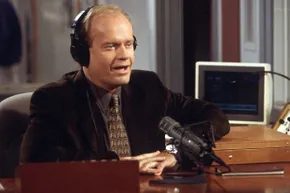
Kelsey Grammer’s career development has been less straightforward and more of a masterclass in exploitation. It all started in the mid-1980s when he was a supporting cast on the NBC series “Cheers.” He plays Dr. Frasier Crane, a psychiatrist with a penchant for high opera and romantic delusions. The writers intended it to be a short four-episode arc. This is not true. The public liked him immediately and he became a permanent guest.
When Cheers was last released in theaters in 1993, Happy Days was already in production. This is a phenomenon.
The Academy of Television Arts didn’t just nod its approval. “Family” was nominated for 107 Emmy Awards and won 37. This is a comedy series that I wrote. gold standard.
Grammer himself is the biggest recipient of this honor. Man has endured hardships for some time and reached the four levels of beauty by the creation of a patient master of transmission, but this master does not know how to maintain continuous human relationships. I’m reasonable.
NBC knows it. When it came time to renegotiate, they just didn’t insist. They offered a surprise. During the 2002 and 2003 seasons, Glamor grossed $1.6 million per episode. This is not a typo. Episode-by-episode ratings like this put him at the forefront of television history.
The simplicity of mathematics is brutal. In the last two years of the show, he earned about $75 million. Starting with four episodes and offering a guest star, it offers an incredible return on investment.
雷·罗马诺的平行帝国
然后是雷·罗马诺。
当格拉默掌握神经质知识分子的艺术时,罗马诺正在纽约建立一个不同类型的帝国。 他在情景喜剧“人人都爱雷蒙德”中扮演工人阶级家庭的族长雷蒙德·“雷”·巴罗内。 该节目于 1996 年至 2005 年在哥伦比亚广播公司播出,共播出九季。 它是一个收视魔术师,在巅峰时期持续吸引超过 3000 万观众。
罗马诺登上薪资顶峰的经历与格拉默的经历相似,尽管风格不同。 罗马诺必须从头开始打造自己的节目,而不是从现有热门节目中衍生出来。 《人人都爱雷蒙德》大致以他自己的生活为基础,添加了一层引起观众共鸣的元评论。 但金融机制是相似的。
到了该剧的最后几季,罗马诺已成为电视上收入最高的演员之一。 2004 年,有报道称他每集的收入约为 150 万美元。 这不仅仅是加薪,而是加薪。 这证明了他作为一个经常低估明星的流派中的领军人物的地位。
这两个人之间的比较是有启发性的。 精神科医生格拉默要求更高的每集费用(1 美元)

The crown for highest-paid TV actor didn’t stay on Ray Romano’s head for long. By 2006, the mantle had shifted to Charlie Sheen, who commanded a staggering $1.8 million per episode for Two and a Half Men.
Wait. Same salary? Different context.
Romano’s deal came during the show’s peak, but Sheen’s contract was negotiated when the series was already a ratings juggernaut in its fifth season. He wasn’t just an actor. He was the engine.
Why Sheen Demanded More
The numbers tell the story of a different kind of demand. Sheen didn’t just want more money. He wanted control.
- Episode Count : The show produced 24 episodes a season.
- Total Compensation : That’s $43.2 million before bonuses.
- Back-End Deals : Reports suggest additional profit participation pushed the total significantly higher.
Two and a Half Men was CBS’s golden goose. Sheen knew it. The network knew it. The question was how long that leverage would last.
Romano had warned about timing. “Get out when you’re still wanted.” Sheen was still wanted. But the chemistry was fraying.
The Fracture
Romano’s family on screen was dysfunctional but cohesive. Sheen’s real-life counterpart, Jon Cryer, was the straight man. But off-screen, the dynamic was shifting.
Sheen was becoming harder to manage. Stories of on-set tantrums leaked. The network tolerated them because the ratings didn’t dip. But tolerance has a limit.
Romano’s $50 million season was huge. Sheen’s was bigger. And riskier.
The show continued. Ratings held. But the foundation was cracking.
What Happened Next?
You know how this ends, don’t you?
The 2011 meltdown. The “winning” tweets. The firing. Sheen was replaced by Ashton Kutcher. The salary structure collapsed.
Romano left on his own terms. Sheen was pushed out.
Both earned millions. One left while the party was still going. The other crashed the party.
The lesson isn’t just about money. It’s about knowing when the audience’s love turns to curiosity. And when curiosity turns to irrelevance.
Sheen’s contract was a record. But records are meant to be broken. Or burned.

The affection evaporated. By 2011, Two and a Half Men was the king of CBS sitcoms, but its lead, Charlie Sheen, was abruptly fired. Warner Bros. cited an inability to collaborate, trouble memorizing lines, public negativity, and a physical state that made working impossible. They also pointed to alleged drug abuse and violent conduct. Despite Sheen still being under contract for eight more episodes that season and twenty-four the next, Warner Bros. ended the deal. Sheen walked away from a job that paid him roughly $2 million per episode.
CBS wrote out Sheen’s character. The show survived. Ashton Kutcher stepped in to fill the gap. The following season opened with the series’ highest ratings ever. Sheen didn’t sulk. By 2012, he landed a new gig on FX: Anger Management. The premiere drew 6 million viewers. It set a cable record for sitcom launches. The love returned.
How Charlie Sheen Rebuilt His Career After Being Fired
The industry didn’t wait for him to recover. CBS moved quickly to keep the franchise alive. Killing off Charlie Harper was a bold narrative pivot. It worked. Ratings didn’t just hold; they soared. Kutcher brought a different energy. The show proved the brand was stronger than the star. This shift highlighted how quickly television fortunes can change. One moment, an actor is irreplaceable. The next, they are a liability.
Sheen’s response was to work harder. He didn’t retreat. Instead, he secured a lead role on FX. Anger Management tapped into his public persona. The show centered on a therapist dealing with his own anger issues. It was meta. It was risky. Critics were skeptical. Fans were curious. The result was a ratings explosion. Six million viewers tuned in for the first episode. That number wasn’t just good. It was historic for cable comedy.
Why Anger Management Set a Cable Record
The success of Anger Management wasn’t accidental. It capitalized on Sheen’s notoriety. Viewers wanted to see what he would do next. The show offered catharsis. It gave people a way to engage with the chaos without fully endorsing it. This dynamic is common in pop culture. Scandal drives interest. Redemption arcs drive loyalty. Sheen leveraged both.
The deal marked a significant comeback. Sheen had lost millions when fired. He regained visibility immediately. FX invested heavily in the project. The investment paid off. The record stood as a testament to Sheen’s enduring draw. It also showed the flexibility of modern television. Cable networks could compete with broadcast giants. A single star could tilt the scales.
The Impact of Sheen’s Return on TV Landscape
Sheen’s trajectory illustrates the volatility of stardom. He went from top earner to outcast in months. Then back to top billing in a year. This speed is rare. Most actors fade. Sheen bounced back. His career post-firing became a case study in resilience. It also raised questions about accountability. How much freedom should a network give a troubled star? The answer seemed to depend on ratings.
The Two and a Half Men experiment proved the model. Kutcher succeeded. The show lasted until


