Drug addiction has claimed countless lives in Mexico and around the world. This gripping crime drama changes perspectives and tells the story through the eyes of the drug cartel boss himself. The joint production of Netflix and Univision “El Chapo” quickly climbed the charts and became one of the most watched Netflix series. Spanning three seasons and 34 episodes, the series follows the life of Joaquin Guzman, one of the most powerful drug lords of all time. This review tells you everything you need to know about the series that follows his rise, capture and escape.
Who created El Chapo?
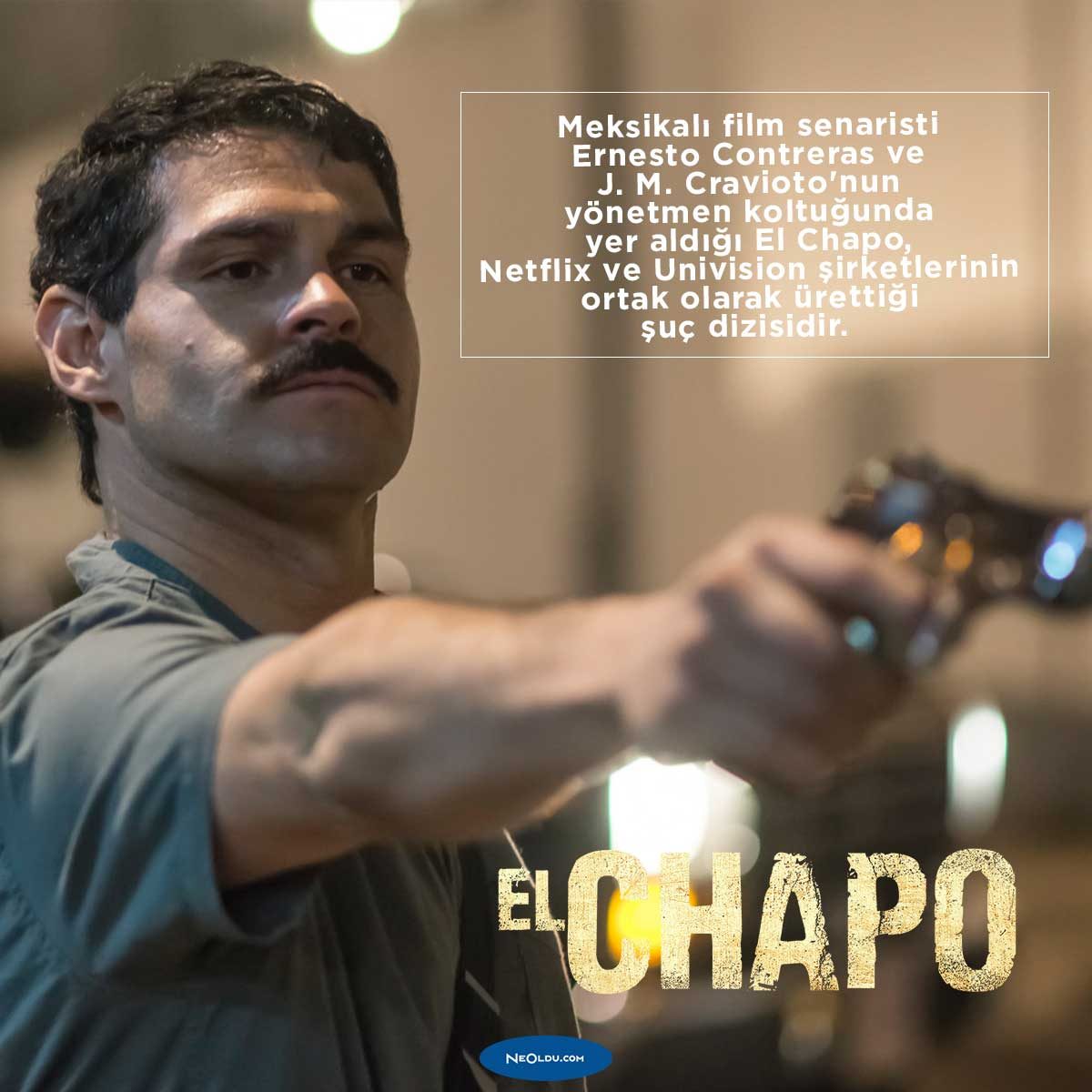
The series is directed by Mexican filmmakers and screenwriters Ernesto Contreras and J.M. Cravioto. The series, co-produced by Netflix and Univision, examines the dark and grim life of Joaquín Guzmán. Think of it as a darker, more intense take on Narcos’ narrative style.
What is El Chapo About?
このシリーズは、麻薬取引への関与で世界中に広範なパニックを引き起こした「エル・チャポ」としても知られるホアキン・グスマンの人生に焦点を当てています。 このシリーズは、彼の権力の台頭、メキシコ当局による逮捕、そして何度も大胆な脱獄を描いたものです。 これは、彼の犯罪帝国の複雑さとメキシコやその他の国への影響を掘り下げる本当の犯罪物語です。
Why Watch El Chapo?
如果您是犯罪剧和真实故事的粉丝,该系列将提供引人入胜的叙述。 这不仅仅是犯罪问题; 这是关于它背后的人。 制作价值高,演员阵容强大。 该剧并没有回避毒品交易的残酷现实,使其成为一部沉重但引人入胜的影片。
Cast and production
Although the specific cast list is not detailed in the provided text, the show is known for the strong cast that brings these historical figures to life. The production team led by Contreras and Cravioto did a commendable job recreating the atmosphere of the time. Netflix has partnered with Univision to create a bilingual series that will appeal to a wide audience.
Viewer Reception
早期的评论是积极的,许多观众称赞该剧的真实性和激烈的故事讲述。 与其他热门犯罪系列相比,《矮子》因其独特的视角和对古兹曼生活的详细探索而脱颖而出。 该类型的粉丝已经称其为任何对头条新闻背后的真实故事感兴趣的人的必看之作。
How Does El Chapo Compare to Narcos?
《毒枭》主要关注巴勃罗·埃斯科巴和哥伦比亚贩毒集团,而《矮子》则将焦点转移到墨西哥。 风格相似——坚韧、现实、激烈——但背景和人物却截然不同。 考虑到墨西哥毒品交易在当今新闻中的持续相关性,喜欢《毒枭》的观众可能会发现《矮子》同样引人注目,甚至更引人注目。
Where to Watch
You can watch El Chapo on Netflix. The series is available in multiple languages, including Spanish and English, with subtitles in multiple languages as well. It’s the perfect addition to a crime drama.
Who wrote the script for Joaquín Guzmán’s crime series?
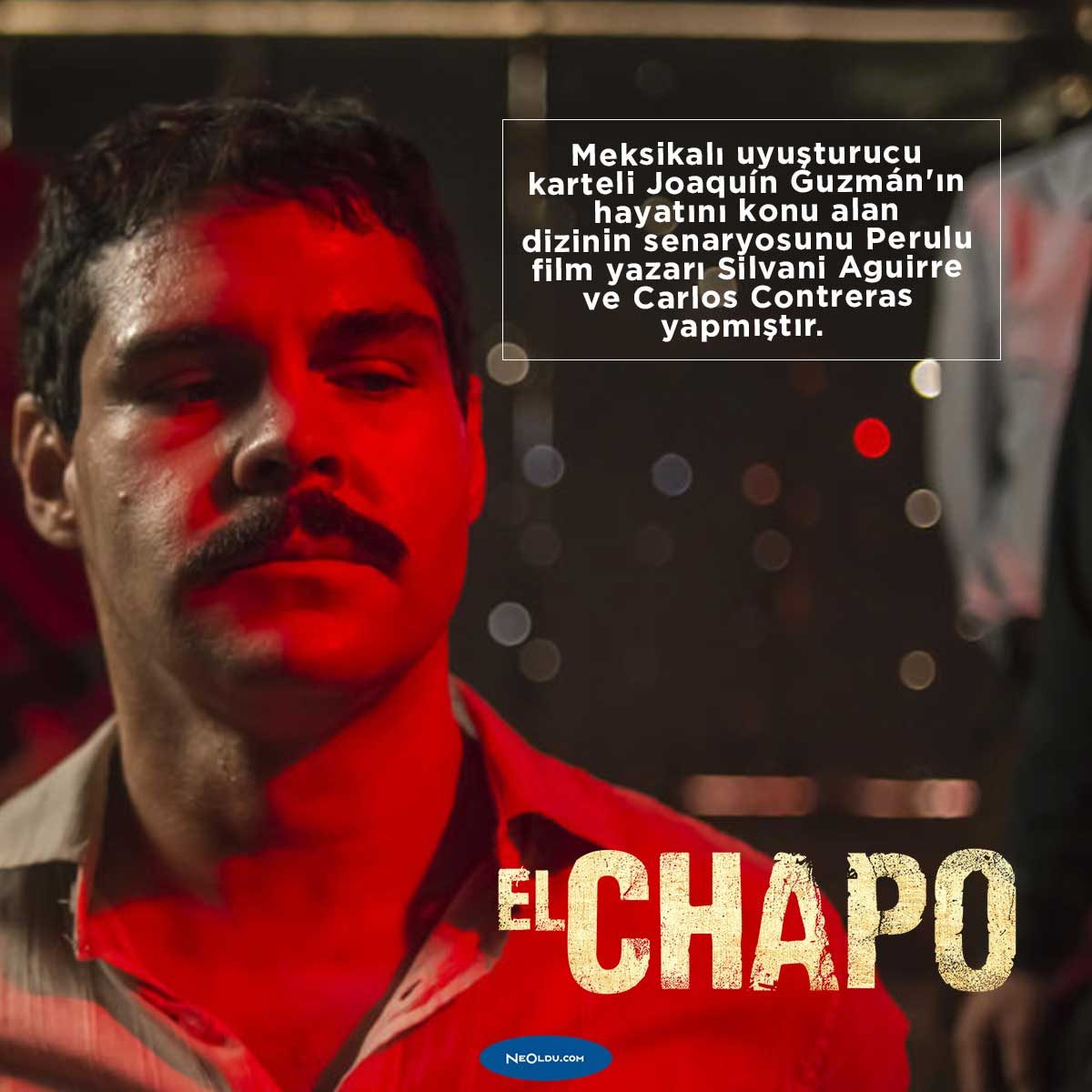
The show, which focuses on the life of Mexican drug lord Joaquin Guzman, has been scripted by a select creative duo. Peruvian film writer Silvani Aguirre worked with screenwriter Carlos Contreras to adapt the story.
Contreras brings significant award-winning experience. He has won the Ariel Award, the highest honor in Mexican cinema, and is known for his unique film projects. His portfolio includes “Blue Eyelids”, “Hazy Spring” and “I Dream in Another Language”.
Who stars in the El Chapo series?
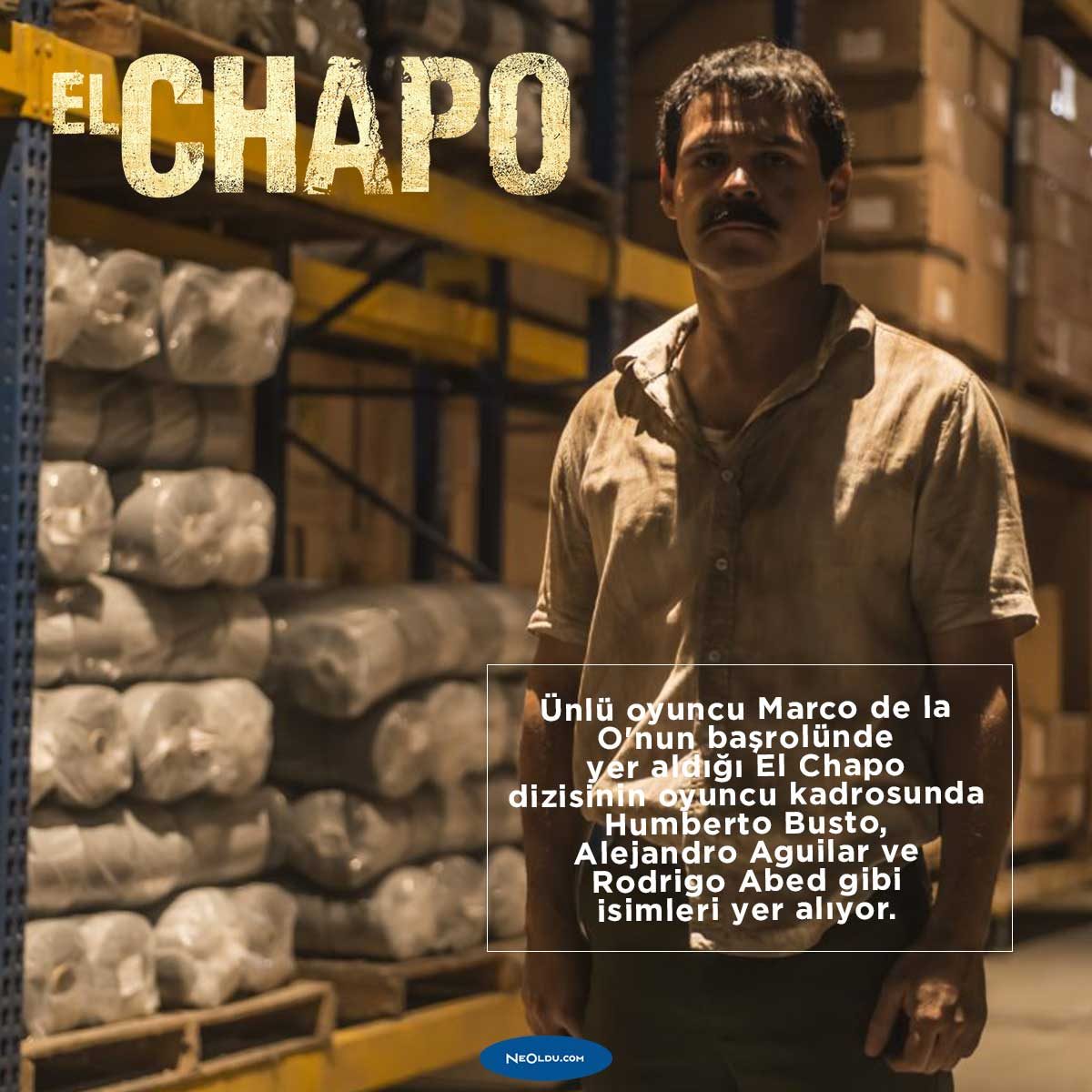
If you are looking for the Actors behind the hit series, the spotlight is clearly on Marco de la O. He is the mastermind of the show and takes on a role that demands serious gravitas. But he does not carry the burden alone. The ensemble is full of talent that adds layers to the drama.
Humberto Busto joins the fray. So does Alejandro Aguilar. Juliette Pardau brings her presence to the big screen. Juan Carlos Olivars and Rodrigo Abed complete important supporting roles. These names may not be established stars yet, but their work on the series gives it its pulse.
De la O has had serious success. He’s not just a local star. In 2019, he shared the screen with Sylvester Stallone. It was in the movie Rambo: Last Blood. Playing opposite Stallone is no small feat. It suggests a level of physical presence and acting skills that is translates well to the dark world of El Chapo.
Why is this actor important? Because the story is based on believable characters. De la O’s experience with high-profile action films like Rambo gives an idea of the intensity viewers can expect. He has already mastered difficult tasks. Now he applies that energy to a story based on real-world crime and power struggles.
The combination of actors points to a production that values chemistry. They feature established names like de la O, who works with seasoned character actors. This is not a show that relies on flashy cameos. It is based on sustained performance.
“De la O’s role requires him to balance raw power with inner conflict.”
The chemistry between him and the supporting cast will likely make the show a success. If Rambo was a test of endurance, El Chapo is a test of survival. De la O seems ready for both.
How El Chapo went from Univision to Netflix
The high-stakes crime drama El Chapo isn’t just available on global streaming platforms. It follows a special two-phase release strategy, expanding first domestically and then globally.
First, the program had its official premiere on April 23, 2017 on the Univision television network. This is a strategic move to leverage the network’s established reach and reach a predominantly Spanish-speaking audience for programming in the United States and Latin America.
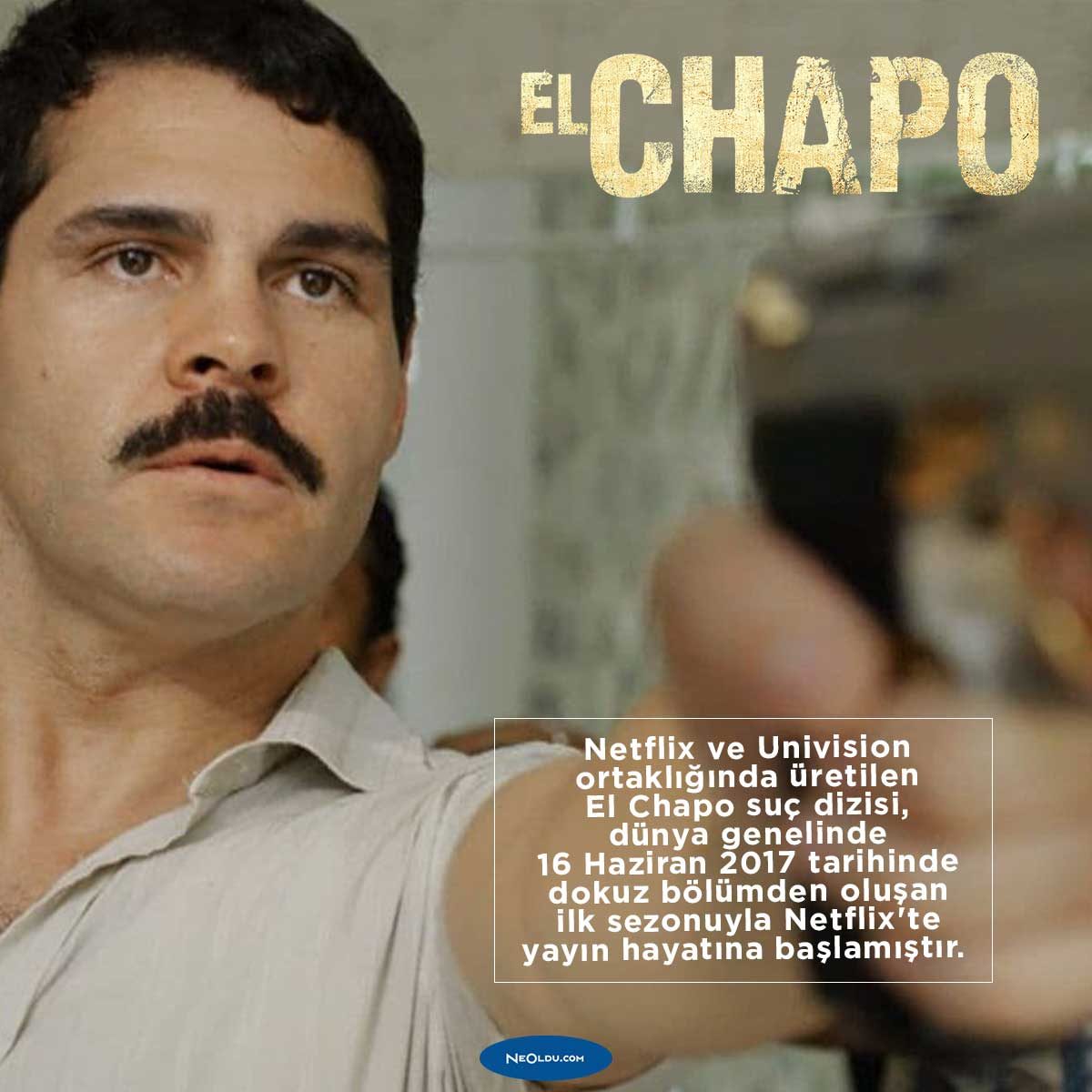
Then the tide turned. The program was released on Netflix June 16, 2017.
The streaming giant didn’t just buffer the content. It packaged the first season into a complete nine-episode arc. The move from terrestrial television to on-demand streaming allowed the story of a notorious drug lord to reach a wider international audience. The partnership between Netflix and Univision ensured that the series to maintain its cultural identity while gaining the global distribution power of a major streamer.
For viewers today wondering how to watch the original Spanish version, the answer is the same. Season 1 is available on Netflix and continues the journey that started on Univision almost seven years ago.
El Chapo’s rise and fall in the series
The show focuses on the life of Joaquín Archivaldo Guzmán Loera. A name that sent shivers down the spines of law enforcement officials around the world. Fans of the show only know him as “El Chapo,” but the story delves into how he became one of the most notorious drug lords in history. It’s not just wealth and power. It’s about the mechanism of his rise.
The plot follows his progress from street operator to leader of the Sinaloa drug cartel. Viewers watch as he builds an empire and navigates the brutal politics of the Mexican drug trade. However, the real attraction is not just the growth. This is the high-wire act of his existence. The show doesn’t shy away from the chaos, showing how he dominated a global illegal network while constantly on the run from the FBI and the Mexican military.
Then comes the inevitable conflict. The story moves to his capture and the legendary escapes that defined his public image. How did a man manage to escape from maximum-security prisons twice? The series is a gritty, detailed look of the techniques, bribes and audacity required to pull off such stunts. This is a study of arrogance and survival against a backdrop of extreme violence and political corruption.
“This series doesn’t just show crimes; it shows the man behind the myth, flaws and all.”
For those wondering which crime drama most accurately portrays El Chapo, this entry offers a dramatic yet realistic perspective. We answer the “how” of his work and explore the “why” of his enduring appeal. The story balances true events with dramatic license, giving audiences a front-row seat to a story that feels almost too absurd to be true. But the details ring with the harsh reality of the drug war.
The tension grows as the net closes in. With each escape, the stakes increase and the cat-and-mouse game turns into a global spectacle. As the final season approaches, the question isn’t whether he’ll be caught, but what will happen to the empire he’s built once he’s gone. Like El Chapo’s fate, his fate, in the balance.
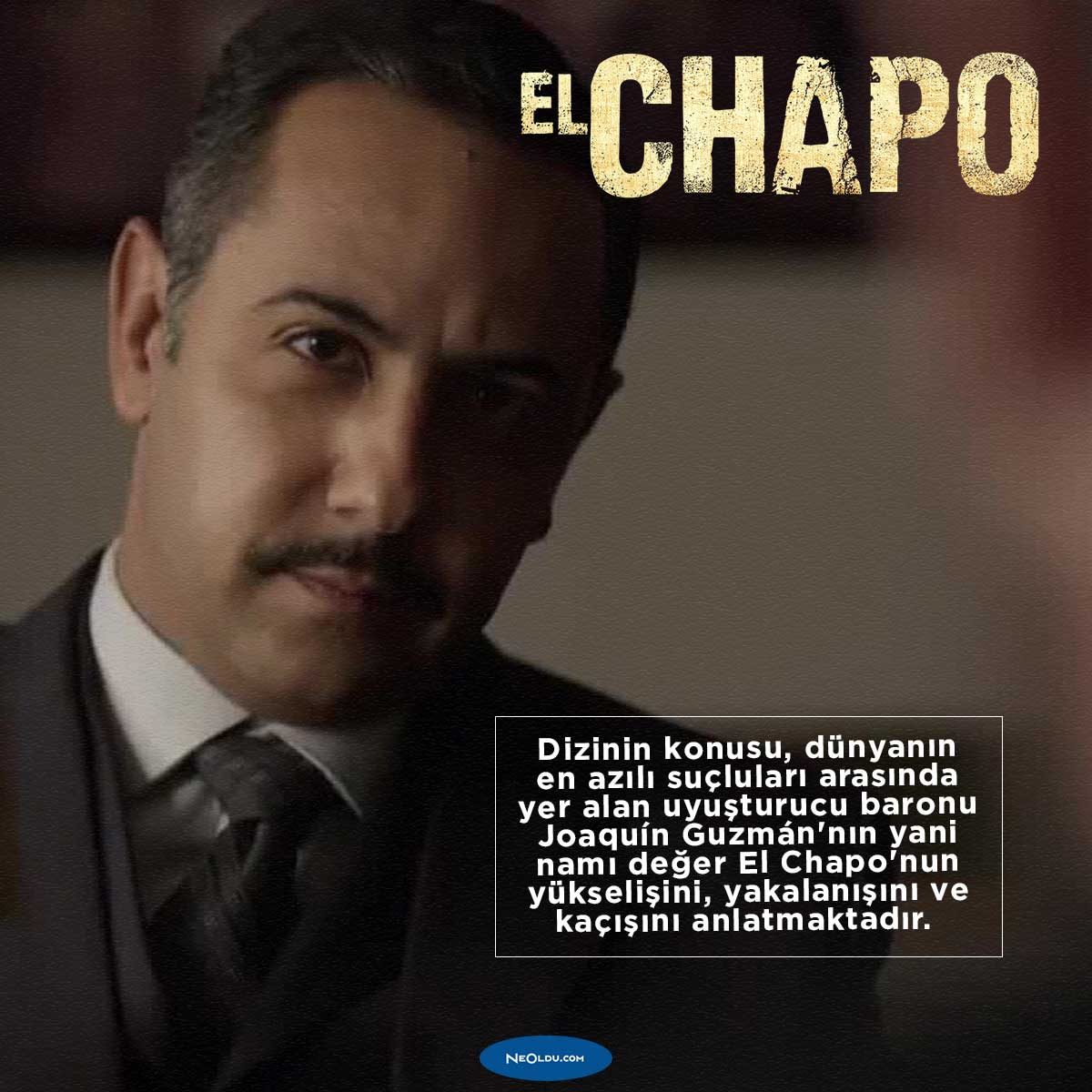
The rise and fall of El Chapo
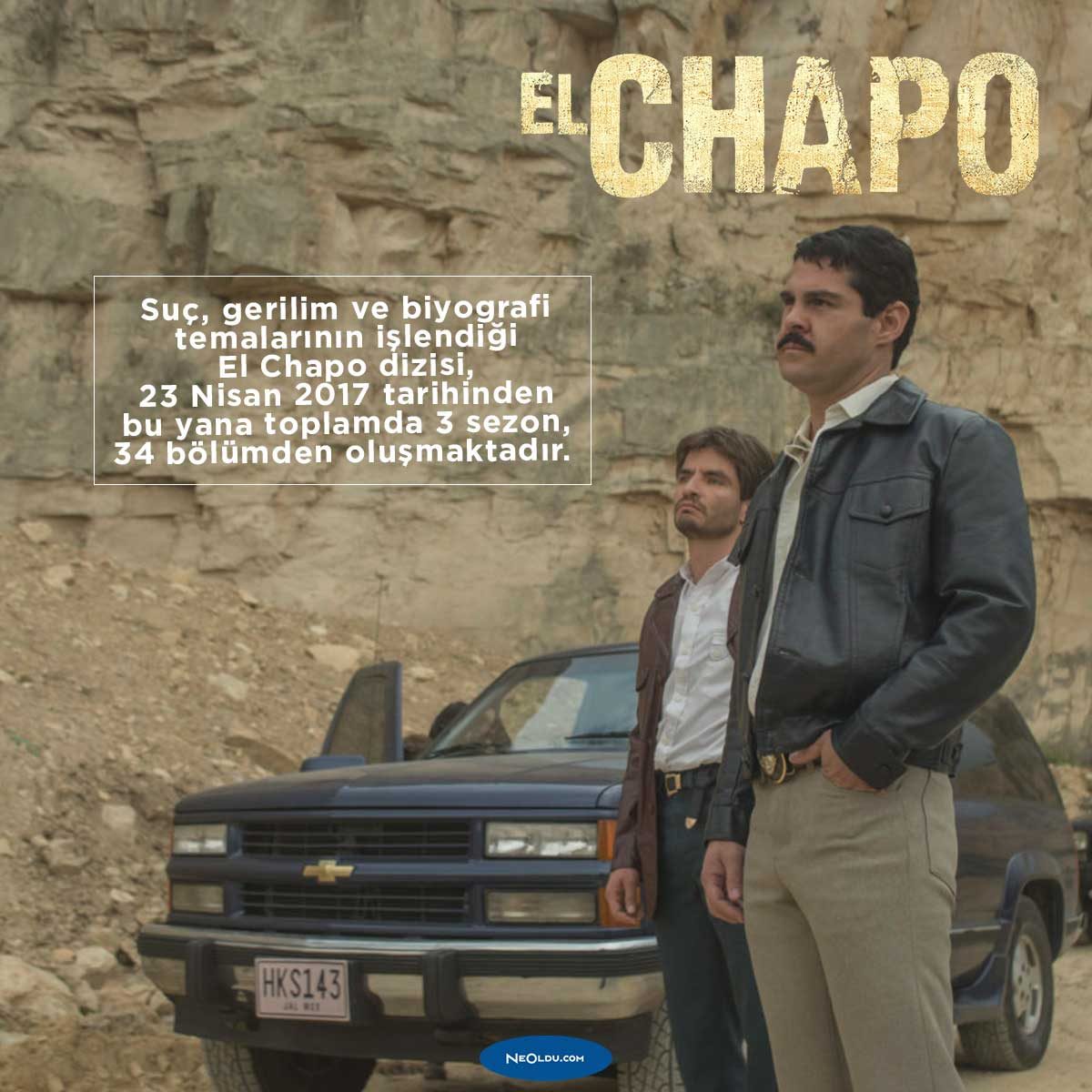
The limited series “El Chapo” dives deep into the murky waters of crime, thriller suspense and dark biography. It has been enthralling the audience since its premiere on April 23, 2017. The story spans three seasons and tells the life of Mexican drug lord Joaquín Guzmán in unflinching detail.
The total duration is 34 episodes. The division is concrete: The first season contains 9 episodes, the second one grows to 12 episodes and the last chapter ends with 13 episodes. Each episode runs an average of 45 minutes – short enough to keep the pace breathless, but long enough to flesh out the complex web of cartel politics and personal betrayal that defined the Guzmán era.
“A life-like thriller that does not shy away from the brutal reality of the inner circle of the drug trade.”
If you’re wondering how the series handles the timeline, it compresses years of chaos into a focused narrative arc. Viewers looking for a comprehensive account of how one man built an empire in the Sinaloa region will find that the show offers a tight, character-driven perspective rather than a dry documentary style. The production is built on tension and uses the 45-minute format to build tension before each climax.
It’s not just about arrests or escapes. The series uses this structure to explore the why behind the violence. Why did certain alliances emerge? How did the logistics of smuggling develop? The show answers these questions through the lens of Guzmán’s personal rise, giving the story an immediate and dangerous feel.
The third season is characterized by a special intensity. The 13-episode finale offers more respite than the previous two so that the consequences of decades of crimes can finally be caught up. It’s a heavy watch. Historical accuracy is a key value for fans who want to understand the real events behind the headlines.
Does it glorify the Kingpin? This is a question that comes up often. The show walks a fine line by showcasing power and wealth without diminishing the moral cost. You see the gold, but you also see the bodies. It’s a balance that captivates the viewer without necessarily supporting a lifestyle.
The speed varies depending on the season. Episode 9 of the first arc often serves as a turning point, moving from backstory to active conflict. Then the second season expands the scope and introduces more players and locations. If you watch the last episodes of the third season, the net is closing in.
For those following the events in real time, the show captures the essence of the years leading up to the crime that led to the massive manhunt. It’s an in-depth look at an empire built on fear and logistics. The episode’s 45-minute running time allows for scenes that might feel rushed in a shorter format, leaving room for tension to simmer.
Is that the final story? Maybe not completely. But it is certainly one of the most fascinating dramatizations. It fills in the gaps missing from news reports and focuses on the human elements of the crime legend. The result is a series that feels less like history and more like a warning.
The final episode of the third season leaves a sense of unresolved tension. The story ends, but the impact remains. stark
El Chapo: Narcos prequel?
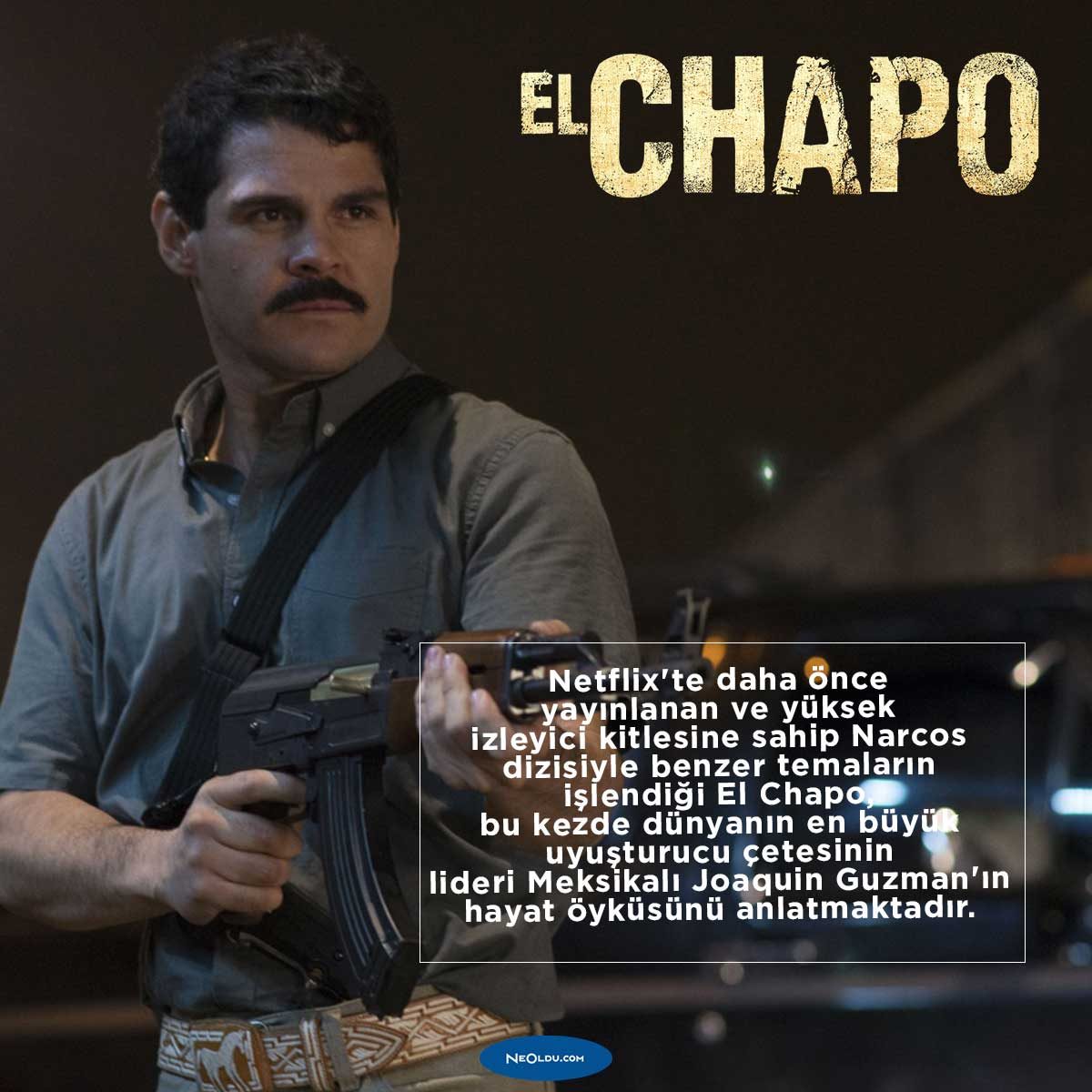
If you’re looking for the Blend of gritty realism and high-stakes drama that made Narcos a cultural phenomenon, here’s another one worth your time. They share similar DNA and deal with the same dark themes of power, corruption and survival, but focus on a different kingpin. The show is called “El Chapo” and tells the true story of Joaquín Guzmán.
You may know him by his infamous nickname. He’s not just a criminal. At the time, he was the leader of the world’s largest drug cartel. This series does more than just make headlines. It delves into the biography of a man who became one of the most wanted figures on the planet.
Namı değer El Chapo dünyanın en çok aranan suçluları arasında gelmektedir.
Why is this show important to fans of the genre? Because it shifted the focus from the Colombian cocaine trade of the 1980s and 1990s to the Mexican border war that would define the next decade. It answers a person’s “who” and “how” questions, and that person’s name becomes a brand.
The production draws clear lines from its predecessor. Viewers who missed “Narcos” may have to binge this instead. It is not derivative in the traditional sense, but it occupies the same mental space. The tone is heavier in some places. The timeline is more recent.
Is it as polished? Probably not. The rhythm may be off. But does it reflect the scope of the operation? Absolutely. Guzman’s empire was about more than just moving product. It involves controlling territory, buying off officials and staying ahead of the law for decades. The program attempts to visualize this scale.
Some critics thought it lacked the cinematic feel of Sandoval-produced hits. Some say it is too clinical and focuses too much on the logistics of the trade rather than the human cost. However, a detailed map is provided for those who want to understand the mechanics behind the mask.
The character of Joaquín Guzmán is depicted as a mixture of menace and mundane reality. He’s not a cartoon villain. He is a businessman with a very specific and violent supply chain. The show explores how he managed to evade arrest for so long. It focuses on tunnels, bribery, disguises.
How can you get a clear answer to why he is nowhere near this? It is correct. I will provide evidence and let the audience judge. However, this is the kind of strong case for the sheer audacity required to operate that level of impunity.
ビジュアルスマイルはis different from ナルソス. It’s like a Mexico with a few ネオンのマイアミと、埃っない官想さるししししししてしたしてしてしたしたしてしたしてしてしたしてしてしたして
For true crime, it serves as a case study of contemporary organized crime.
Are there any points that are not accurate?Probably. If you want to depict the actual events, you need to compress the timeline and the synthetic characters. However, the core facts remain as they are. This
Anatomy of a cartel boss
Joaquin Guzman. Most people know him as El Chapo. It’s not just a nickname. It’s a brand. One that still burns in the streets of Mexico.
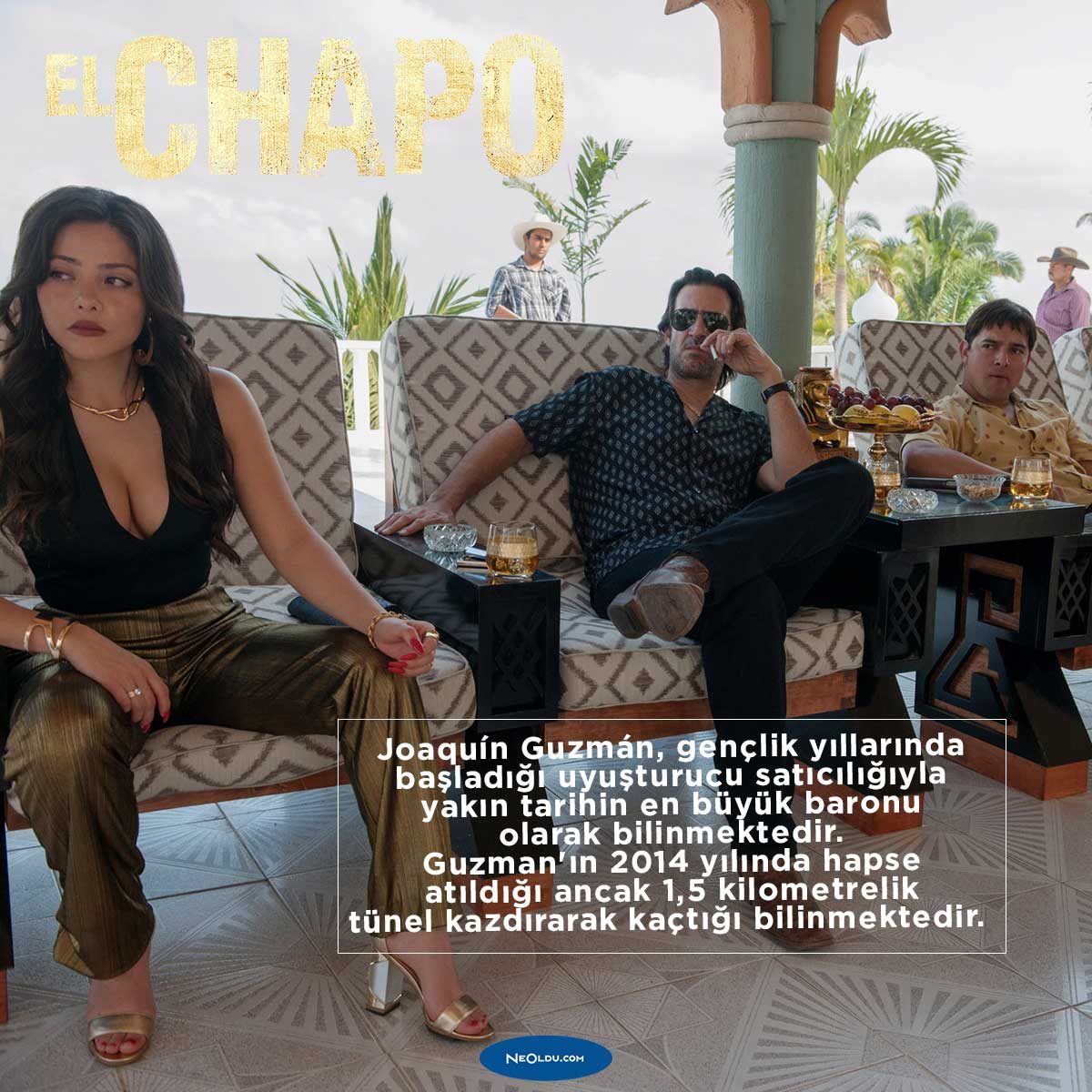
His story begins early. As a teenager. Sells drugs. Very easy. But the scale? Massive. He didn’t just sell. He built an empire. When the world found out, he was the biggest drug lord in recent history. Kingpin in the true sense of the word.
The cat and mouse game lasted for decades. El Chapo eluded police forces since 1990. Years. decades. He was a ghost. Until 2014. State forces eventually caught him. Sent him to the cell. At least that’s what they thought.
Life in prison does not stop ambition. It just changes tactics. Officials said he was safe. Then came the tunnel.
This was no small crawl space. beneath his shower 1.5 kilometer long tunnel. Concrete. Steel. Engineering work on an industrial scale. He slipped out. Vanished.
The world watched in shock. How does a man escape from such a maximum-security prison? The answer is money, power and sheer audacity.
He didn’t stay free for long. Captured again in 2016. Locked up again. This time the walls feel a little thicker. But the legacy? This is harder to contain.
His bloodline continues to fight. His son set fire to Culiacan. The city burned. Not just a riot. A statement. A reminder that the Empire has successors.
“El Chapo is the name. Violence is the method. Territory is the prize.”
Is it over? See the ashes in Culiacan. Look at the headlines. The story changes, but it doesn’t end.
El Chapo vs. Narcos: Why viewers are hooked on different types of cartel dramas
If you’ve read any review sites or forums recently, the consensus is clear. El Chapo quietly stole the thunder from his more famous predecessor. We delved into viewer feedback to find out what people are really saying about this series. What is the verdict? Although there were inevitable comparisons, the audience was mostly satisfied.
The show does more than just tell history. One can’t help but wonder the extreme lengths people go to for money. Despite the dark subject matter featuring some of the world’s most notorious criminals, the tone is never dull.
Breaking the Narcos Shadow
房间里的大象是显而易见的。 watching El Chapo ,你不可能不考虑《毒枭》。 老实说,早期的怀疑是有道理的。
以观看者 1 为例,他注意到了这个奇怪的时机。 《毒枭》的焦点是巴勃罗·埃斯科瓦尔,他已经去世多年了。 这个故事是封闭的、历史性的、安全的。 But El Chapo is different。 该男子还活着,目前在逃。 这种活生生的、呼吸着的威胁增添了一层不安,让这部剧给人一种直接而原始的感觉。
Viewer 2 承认他们并没有想到会像现在这样喜欢它。 当然,他们看过《毒枭》,而且乍一看主题似乎相同。 但结构呢? 完全不同。 这不是一个复制粘贴的工作。 这是对同一个血腥世界的全新看法。
观众 3 提供了细致入微的视角。 他们喜欢第一集。 这不是毒枭 ,那很好。 他们对埃斯科巴故事的喜爱是个人化的、情感化的。 比较两者感觉不公平,因为情感锚完全不同。 一个是堕落的偶像; 另一个是顽固的幽灵。
The Brutality Factor
然后就是暴力的规模。 Viewer 4指出了一些重要的事情。 每当人们将华金·古兹曼 与埃斯科瓦尔进行比较时,谈话通常都会强调矮子是多么无情。 传说也证实了这一点。 就冷血效率而言,古兹曼的声誉常常使埃斯科瓦尔黯然失色。
毫无疑问,埃斯科瓦尔杀死了数千人。 但古兹曼呢? 他的故事是蓄意残忍的案例研究。 该系列并不回避这一点。 这是生活在边缘的现实写照,道德是你买不起的奢侈品。
Production Value and Pacing
when Season 3 dropped, viewer 5 was excited. They start watching out of habit and thinking, “Let’s do the next season of Narcos.” But in the end they believe that El Chapo is just as good. music. demonstration. rhythm. All in Netflix’s highest quality.
Viewer 6 anticipated the bias. Narcos sets an incredibly high bar for atmospheric storytelling. So fans of the first show may have been unhappy to begin with “El Chapo.” Their suspicions were wrong. It’s not bad. It’s just different.
Viewer 7 called it a “enchanting series” that he found while looking for a “Narcos” vibe. Every episode is intense. You’re constantly wondering, “What’s next?” The suspense never drops. The show never loses momentum and keep you on edge. So what is the dynamic between Guzman and Escobar? Viewer 7 found this historical crossover fascinating.
A Mexican Perspective
Here is the real difference. Viewer 9 highlights important differences that are often overlooked. “Narcos” is told primarily through an American lens, although the dialogue is in Spanish. An outsider looks in.
El Chapo flipped the script. This is all from a Mexican perspective. Politics, internal conflicts, local color – everything makes the area feel authentic. This is not a foreign film. This is a local story refined for global consumption. This change in perspective adds a depth that a purely external narrative cannot match.
Viewer 8 is one of the best movies on Netflix. The grades speak for themselves. It’s full of crime and suspense, but the fact that it’s based on true events gives each scene a different weight. Real life is heavier than fiction.
Viewer 10 summed it up nicely. This is a great cartel story. It’s not because of the cartel lifestyle, it’s because of the storytelling technique. This is a success based on Netflix’s unique merits.
The Man Behind the Myth
那么,谁是这场风暴的中心呢? 该剧围绕华金·古兹曼 展开,他被世人称为矮子 。
Marco de la O as Joaquin Guzman
The portrayal of Joaquin Guzman is the anchor of the show。 Played by Marco de la O, the character isn’t just a villain。 he’s a force of nature。 De la O captures the duality of the Sinaloa Cartel leader。charismatic enough to build an empire, yet brutal enough to maintain it through fear。
This isn’t a caricature。 It’s a study of power。 Guzman’s rise is methodical。 His escapes are legendary。 His relationships are complex。 このシリーズは彼のストーリーを使って麻薬取引のより広範なエコシステムを探求し、一人の男の野心がどのように何千人もの人々に波及し得るかを示しています。
彼の公的人格とプライベートな現実の間の緊張感が彼のパフォーマンスのハイライトです。 De la O は、たとえ彼の行動にうんざりしても、彼の論理を理解できます。 これはカルテルドラマでは珍しい戦術です。 通常、悪役は怪物か聖人のどちらかです。 グスマンはその中間にいる。
だからこそこの番組は機能するのです。 ライフスタイルを美化するものではありません。 それは記録します
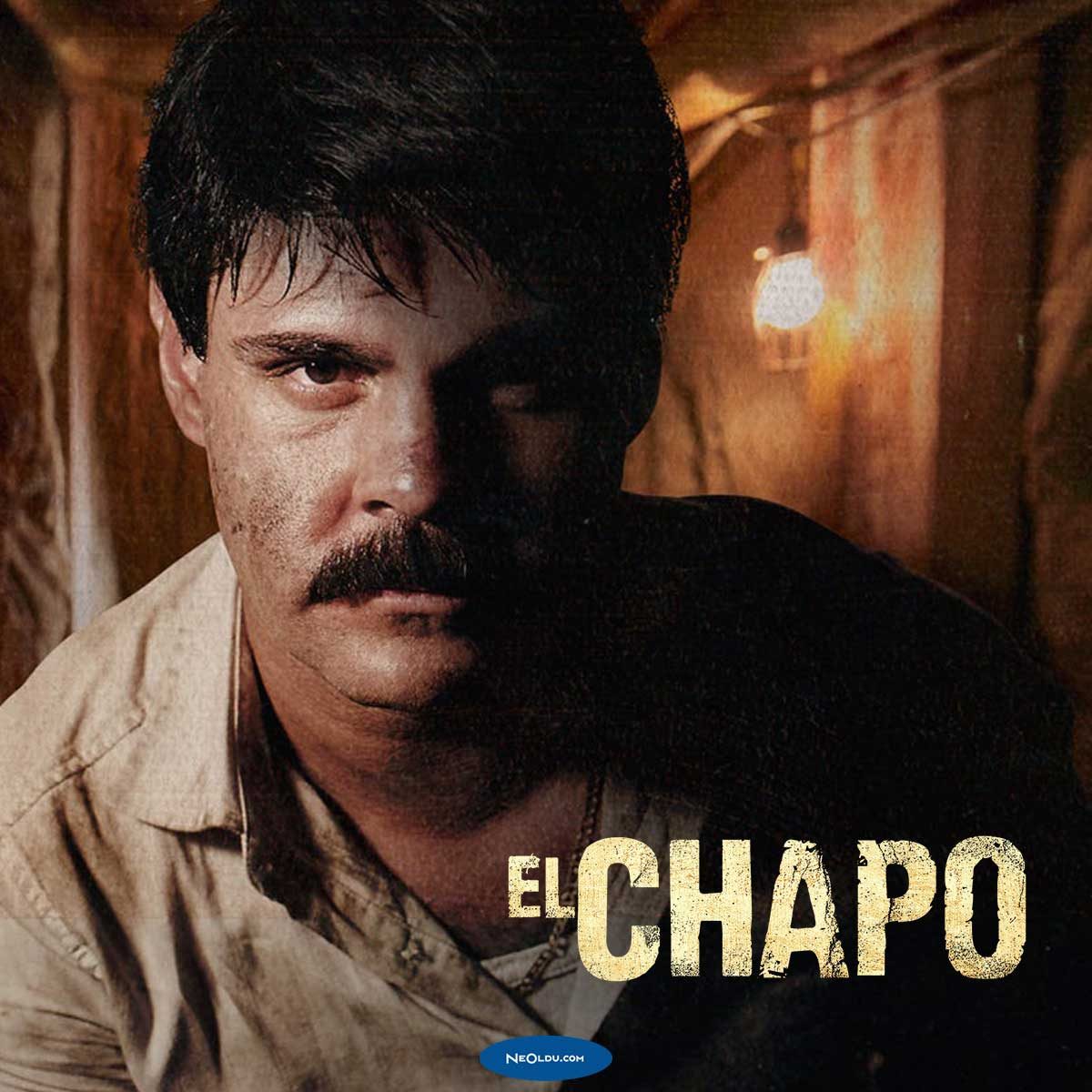
Mexican actor Marco de la O brings Joaquín Guzmán to life in the series La Chapo, delivering a performance that anchors the show’s dark story. The character’s life, marked by criminal enterprises and high tensions, is handled with amazing precision. De la O captures the weight of Guzmán’s story, balancing menace with the calculated calm of a man who built an empire out of the shadows. This performance has garnered widespread attention and highlights the actor’s ability to navigate the complex psychology of one of the most notorious figures in modern history.
The enigmatic Don Sol
While Guzmán dominates the foreground, the series also relies on a strong supporting cast to flesh out its world. One such character is Humberto Busto who plays Don Sol.
“The supporting cast gives the necessary structure to the inner circle of the cartel and ensures that the power dynamics feel alive and dangerous.”
Don Sol represents the complex web of alliances and betrayals that surrounds the main character. Busto’s interpretation adds depth to the character’s story, which is about loyalty and survival in the criminal underworld. The dynamic between Guzmán’s calculated ambition and Don Sol’s role in that structure helps ground the drama in a reality that feels both specific and universally fraught.
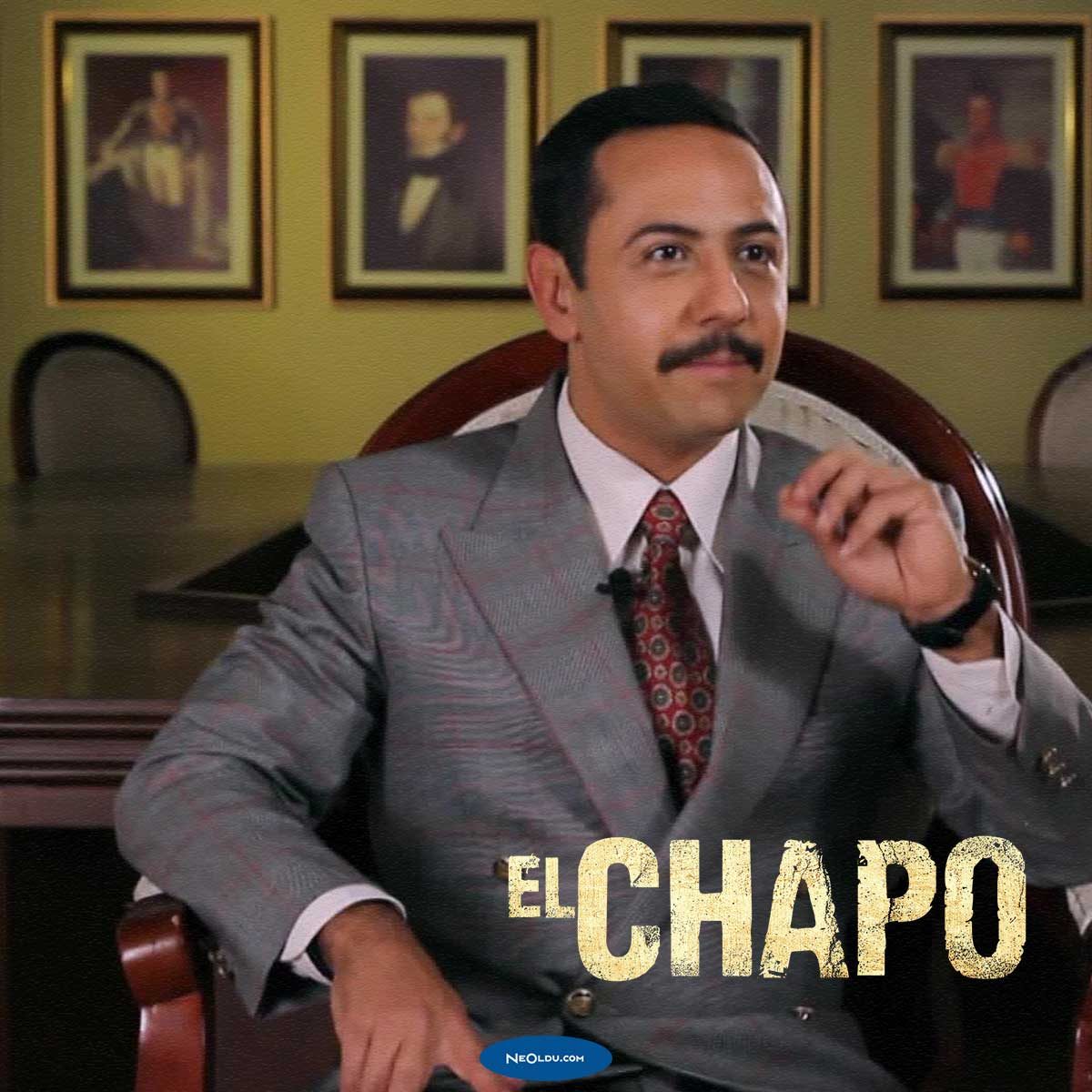
Let’s be clear: this is not a script. It’s a resume.
Don Sol’s day job? Lawyer. Real. Bar-certified. A guy who reads case law for fun and not just plot lines. But the nights? They are being put into the machinery of the political party currently in charge in Mexico. That’s the gig. Governance. Power. Boring stuff that really moves mountains.
He has one burning goal. No fame. No property. Presidency. He wants to sit on the big chair. And to get there, he takes a step that would make most people call the police.
He’s aiming for Guzmán.
Yes, that Guzman. The leader of one of the world’s most notorious crime syndicates. A man whose name is synonymous with chaos, blood and borders crossed in the middle of the night. Don Sol doesn’t hide. He’s arming up.
Opposition
Valentina Acosta, known in these circles as Alejandra, is part of this landscape. She’s not just a name on a marquee. He’s a player. Her pseudonym Alejandra suggests layers. A persona within a persona. In a world of high-stakes politics and cartel wars, identity is currency.
Why is this important? Because the lines blur. You have a lawyer who is also a politician waging a war against a drug lord who probably has more influence over the legal system than the judge hearing the case. It’s chaotic. It’s dangerous. It’s real.
Don Sol prepares for a battle that isn’t about votes alone. It’s about survival. The cartel does not lose elections. They buy the ballot boxes. They intimidate candidates. They make people disappear.
So when Don Sol says he’s ready, believe him. He’s not a vigilante in a cape. He is a man with a law degree, political platform and a target on his back.
What happens when the rule of law collides with the rule of bullets? We’ll see.
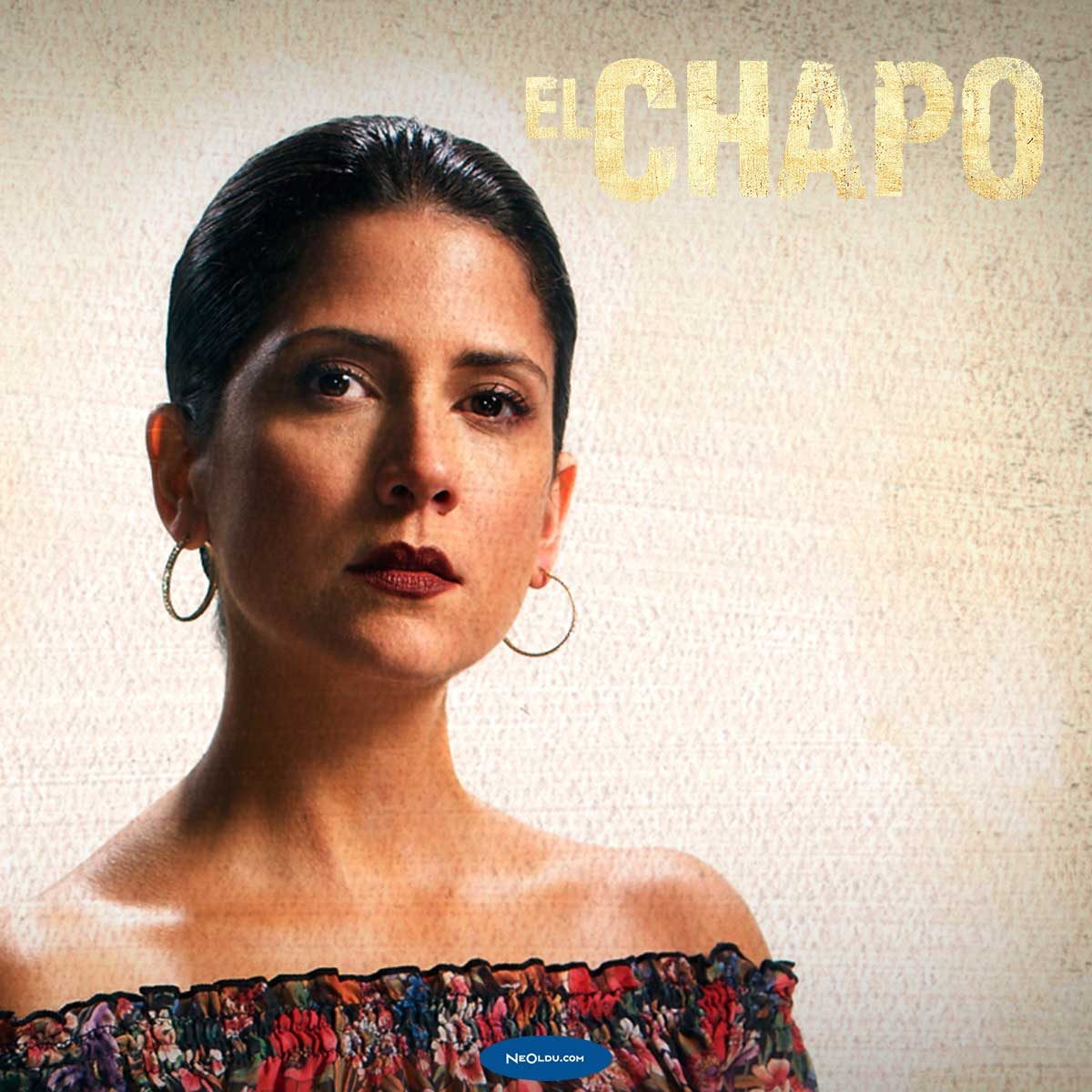
Valentina Acosta has stepped into the heavy boots of Juan Gabriel “El Chapo” Guzmán’s wife and brings a tough, grounded energy to the role. She isn’t just filling a costume; she’s embodying Alejandra, a character that requires both vulnerability and resilience. Critics and fans alike are taking note of her performance by critics and fans alike. It’s subtle work. No big gestures, just the quiet intensity of a woman living in the shadow of a cartel boss. You can feel the weight of the narrative in her eyes.
The Mystery of General Blanco
Speaking of shadows: Luis Rabago is making waves as General Blanco. The character is imbued with military authority and unspoken threats. Rabago gives the uniform a cold, calculated precision. It’s a stark contrast to Acosta’s emotional depth. Together, they create a dynamic that feels less like a scripted drama and more like an tense standoff.
“The chemistry is right, not only on screen, but also in the silence between the lines.”
Why does this pairing work? It’s a contrast. The General represents the violent hand of the state, while Alejandra represents the personal costs of violence. Rabago doesn’t flinch. Acosta does. This tension drives the scene. It makes you lean forward. Is he loyal? Is he afraid? The show refuses to answer easily. And it is this ambiguity that makes it so compelling.
Why Viewers Are Hooked
You might be wondering why this particular portrayal of the Narcos: Mexico spin-off or related content is getting so much attention. It’s the realism. The writers aren’t glossing over the brutality. They show the bureaucracy of evil. Acosta’s Alejandra isn’t a damsel. She’s a survivor navigating a maze of lies. Rabago’s General Blanco is the lock on that labyrinth.
The production value supports this grit. The costumes, the locations, the lighting – it all feels worn, used, real. You’re not watching a polished Hollywood gloss. You’re watching a history lesson wrapped in thriller pacing.
What Comes Next?
We’re just scratching the surface here. The plot thickens as alliances change. General Blanco’s orders become harder to interpret. Alejandra’s loyalty is not tested not by guns but with secrets. The next episodes promise to peel back another layer.
Who has the real power in this narrative? The gun? Uniform? Or the woman sitting at the dinner table watching them both? The show suggests it’s the latter. But don’t quote me on that. Not yet.
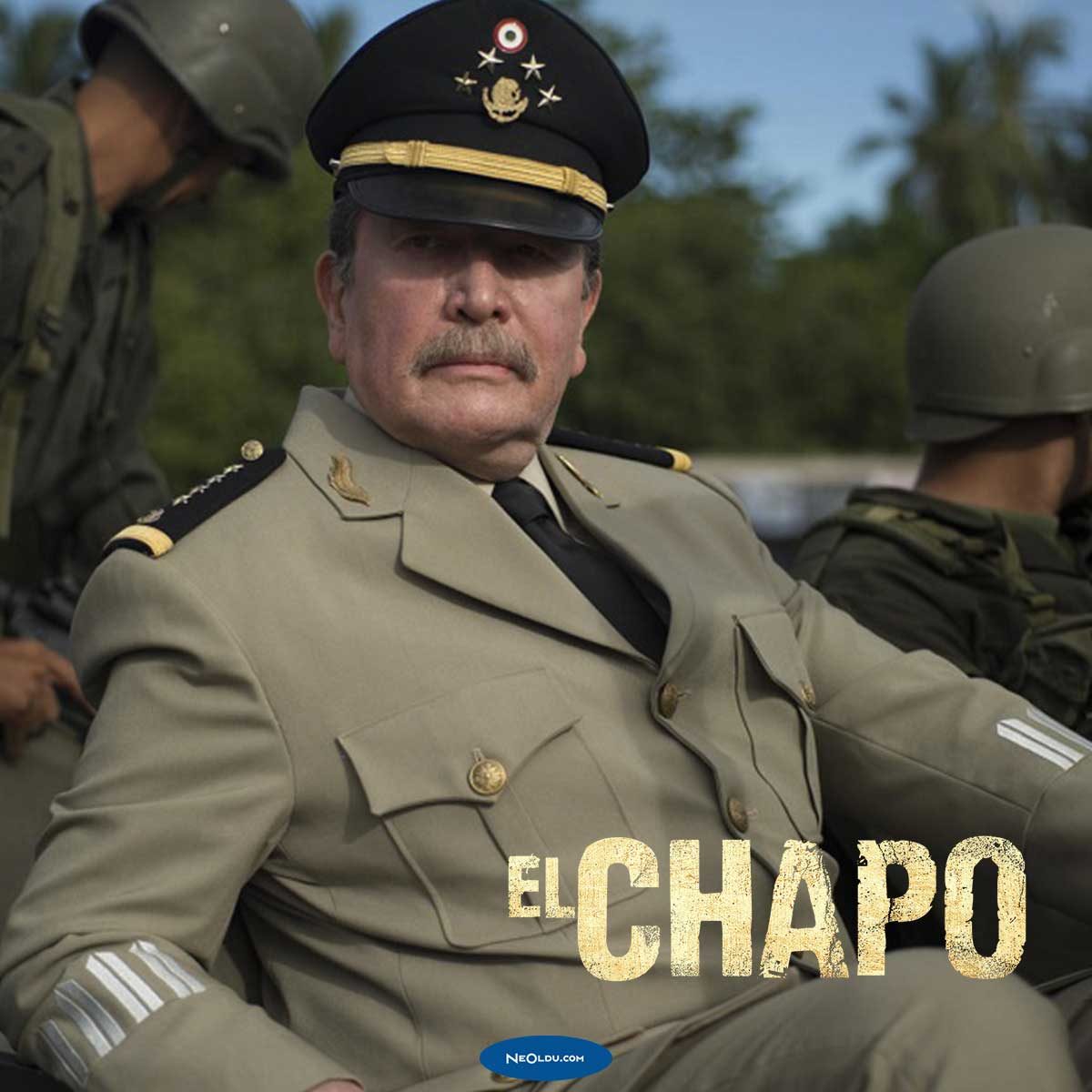
Luis Rabago is not just another face among El Chapo. He’s General Blanco, and he’s the kind of performer that stays in your heart. You watch him and you don’t think about the script anymore. You’re thinking about a man.
Rabago, a Mexican actor who knows how to add weight to a scene, has become one of the series’ most memorable characters. It’s not just about the uniform or the rank. It’s the way he convinces himself. The presence is there. Heavy. Unmistakable.
Before he stepped into the role of general, Rabago was already building a resume that suggested he would thrive in difficult roles. You may remember him from Principio y fin. Solid entry point. Or maybe Machete Language where he showed he could handle grit and nuance in equal measure.
But El Chapo? This is where the spotlight really shines.
Why does Blanco stand out? Because he’s not a caricature. He’s a bureaucrat with a gun. Rabago plays him with an eerie composure that feels more dangerous than any shouting. It’s subtle work. One that won’t win awards, but will be remembered.
You can see the story in his eyes. The weight of decisions made in dark rooms. It’s a masterclass in understated power. And in a show often dominated by the chaos of a cartel war, a quiet authority cuts through the noise.
Rabago doesn’t need to shout to be heard. All he has to do is look at the camera. And suddenly you lean forward.
Performance remains. Not because it’s loud, but because it’s true. In a genre full of exaggeration, realism is a rare commodity. And Rabago delivers it scene after scene.
Will he steal the show? Maybe not in the traditional sense. But he owns his space. And in El Chapo ‘s world, that’s enough.